
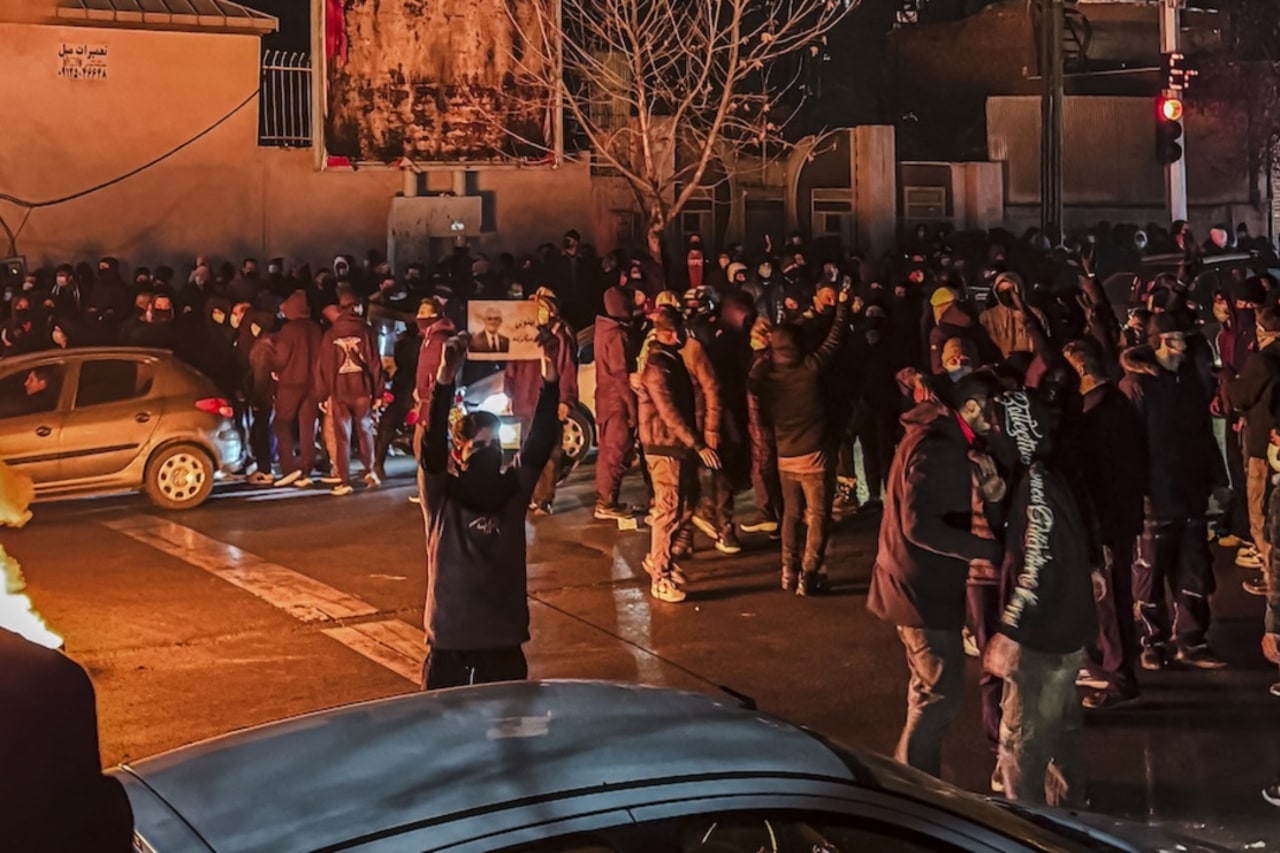
We do not know the exact number of Iranians killed, arbitrarily arrested, and tortured during Iran’s lethal crackdown on protesters – but we do know the number is staggering. Foreign citizens, including a Canadianare among those murdered by Iranian authorities. In moments of atrocity and upheaval abroad, it can be hard to know what a country like Canada should do beyond statements of solidary and concern. But there is a step Ottawa can take immediately: open investigations and prosecute Iranian regime officials who are present in Canada and who are implicated in crimes against humanity.
This is not an abstract proposal. In 2021, a Tehran police chief was spotted at a Toronto-area gym. In 2024, it was reported that 700 Iranian nationals linked to the Iranian Revolutionary Guard Corps (IRGC) resided in Canada – the same group that has been designated as a terrorist entity by the Canadian government. That same year, five Iranian regime figures faced deportation back to Iran.
Deportation? Yes. The governing Liberal government moved to send regime figures, including some involved in repression and human rights violations in Iran, back to Iran. That is also the policy of the opposition Conservative Party. Responding to the alleged presence of 700 IRGC-linked figures in Canada, Conservative leader Pierre Poilievre stated in February 2025: “We will find and deport all of the IRGC’s thugs… They will be kicked out of this country.”
Continue reading







 Justice in Conflict