
James Nyawo joins JiC for this post on where former Sudanese President Omar al-Bashir should be tried. James is currently a Visiting Researcher with Global Sites of International Criminal Justice (JustSites) at Copenhagen University. He is a lecturer at Kenyatta University, Nairobi, Kenya.
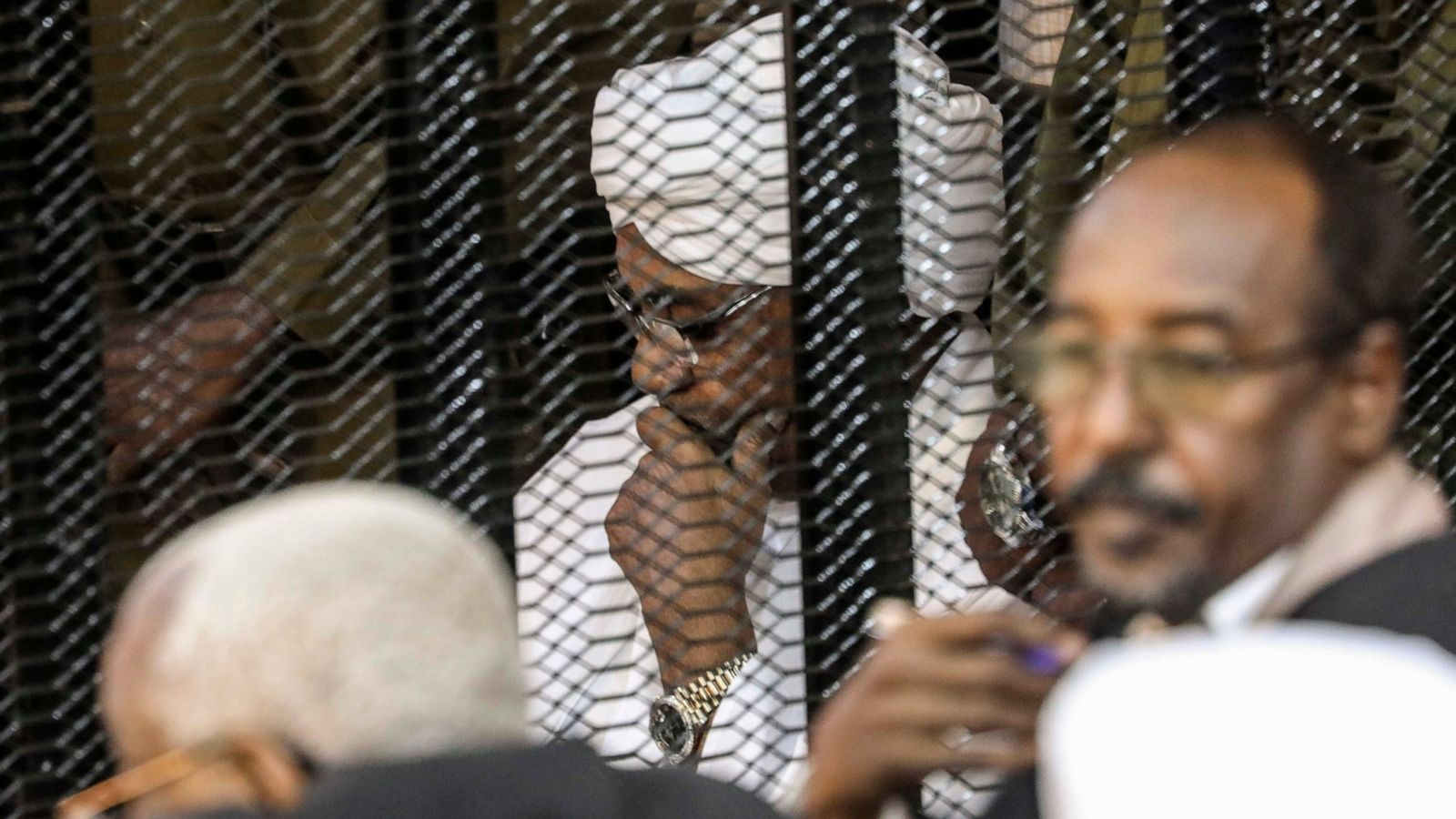
Choosing the location of atrocity crime trials can have far-reaching consequences. For victims and societies emerging from autocratic and brutal regimes, local trials can have therapeutic effects. On the other hand, trials held outside of the country and context where crimes were committed, for instance in the International Criminal Court (ICC) in The Hague, are not impeded by local power battles and dynamics. Choosing the location of trials is also linked to the financial cost of legal proceedings, international trials often being more expensive. Besides such consequences, the choice of the location of atrocity crime trials can send specific signals to different stakeholders. All of this is being played out right now in Sudan, where authorities must decide where from President Omar al-Bashir should be put on trial: in The Hague or in Sudan.
Following World War Two, the Allies selected the war-damaged Nuremberg, which had been the central nerve for Nazi propaganda rallies and where the infamous Nuremburg Laws of 1935 had been passed, as the location for the International Military Tribunal. The trial and the location not only symbolized the death of official Nazism but also marked the genesis of the remembrance and re-membering process of the German and European society. The choice of Nuremberg as the location of the trials had symbolic meaning and aimed at establishing the crimes of the Nazi regimes firmly in the eyes of the German and European people.
More recent experiences of establishing international tribunals, demonstrates, however, that it is not always possible to conduct international or national prosecutions in the states where atrocities occurred. States torn by war may lack the necessary judicial infrastructure, logistics and security. For instance, although the Rwandan authorities wanted the International Criminal Tribunal for Rwanda to be established in Kigali, a compromise had to be reached for it to be established in Arusha, in neighboring Tanzania. This was done because an international tribunal based in Kigali might have sent wrong messages of bias against the Hutu ethnic community. Given Arusha’s proximity to Kigali, it made the Rwanda Tribunal accessible to Rwandan survivors and the local media.
The delegates at the Rome Conference which negotiated the Rome Statute did not spend much time deciding on the trial location for ICC suspects. Such burden was lessened when The Netherlands offered The Hague as the seat for the Court. Since The Netherlands was the only state to make such an offer, the seat of the (ICC) was established in The Hague, amidst other international legal institutions in a city that brands itself as the “international city of peace and justice”. Since coming into operation two decades ago, the Court has heard all of its cases in The Hague. It has chosen to remain remote and detached from the where crimes were committed and where survivors of atrocities are located. The Court has been criticized for delivering ‘distant justice’ which makes social and general deterrence difficult to maximize. In light of this criticism it is highly puzzling that Article 3, which authorizes the ICC to “sit elsewhere, whenever it considers it desirable,’’ has largely gone under the radar among the Court and academics. Bashir offers a good opportunity for the ICC to revisit its policy on trial location.
Continue reading






 Justice in Conflict