
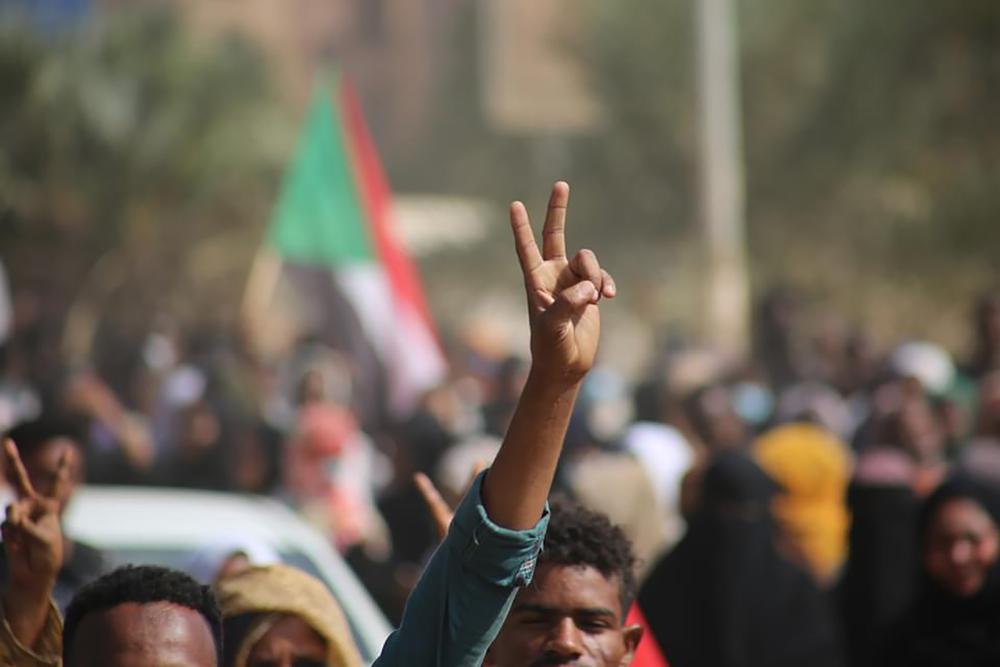
Following the military coup last week, the future of Sudan has been thrown once again into uncertainty. Despite reports of live rounds being shot into open crowds, Sudanese demonstrators have given what Rebecca Hamilton has called a “masterclass in nonviolent resistance”. As I write this, brave Sudanese citizens are standing steadfast in the streets and steadfast in their demand that the democratic transition that the country entered into following former President Omar al-Bashir’s fall from power in 2019 continue. Given this context, it might not be a time to worry too much about the International Criminal Court (ICC) and its role in Sudan. But for those working towards and worried about accountability for mass atrocities committed in Sudan over the past two decades, the coup spells bad news. How it is resolved will determine whether there is space for justice.
Over the last year, international justice advocates rejoiced after each of the periodic statements from Sudanese officials that Omar al-Bashir would be transferred to the ICC. In the late 2000s, the Court issued warrants of arrest for Bashir, charging him with war crimes, crimes against humanity, and genocide committed in Darfur. For over a decade, the erstwhile leader was a thumb in the Court’s eye, rallying anti-ICC sentiment across the African continent while regularly travelling abroad in defiance of calls for his arrest. But celebrations over Bashir’s apparently imminent transfer to ICC officials were premature. The division between civilian and military elements within Sudan’s transitional governing body was and is a critical sticking point in any discussion on Bashir’s surrender.
Put simply, the civilian authorities – including Prime Minister Abdalla Hamdok and Justice Minister Nasredeen Abdulbari – are in favour of Bashir being prosecuted by ICC judges, whether that ultimately takes place in The Hague or elsewhere. The military is not nearly as keen, for rather clear reasons. Its leadership – including coup leader General Abdel Fattah al-Burhan and Mohamed Hamdan Dagalo – were formally under Bashir’s thumb and many of them are implicated in atrocities in Darfur as well as during more recent popular unrest.
Seeking to capitalize on Sudan’s transition and the possibility of putting Bashir before judges in The Hague, ICC officials have visited with both civilian and military leaders in an effort to convince them to cooperate with the Court and hand over Bashir. Both former Prosecutor Fatou Bensouda and current Prosecutor Karim Khan met with al-Burhan and Dagalo. Only those present at those meetings know what was said, but one can imagine there would be some attempt by ICC figures to assuage any concerns that Sudan’s military leaders would be targeted for investigation. Perhaps it would have been enough to inform al-Burhan and Dagalo that the Court’s hands are full with Bashir and the handful of other suspects it has issued warrants for in relation to atrocities in Darfur. Perhaps the prosecutors simply communicated their own internal policy, which was released leaked: they are not looking to expand their investigation to include any other alleged perpetrators from Sudan; the likes of Dagalo are safe.
Whatever was said, it did not work. According to a recent report by Sudan analyst and Human Rights Watch consultant Jehanne Henry, “Sources close to the military say al-Burhan and his deputy, Mohamed Hamdan Dagalo, ‘Hemedti,’ who heads the fearsome paramilitary that led the June 3 massacre, are afraid of the implications of handing the suspects over — for themselves, their colleagues and the army’s hallowed reputation.” It also does not help the ICC’s case that states with influence in Sudan have not openly or loudly demanded the transfer of Bashir to the Court.
Continue reading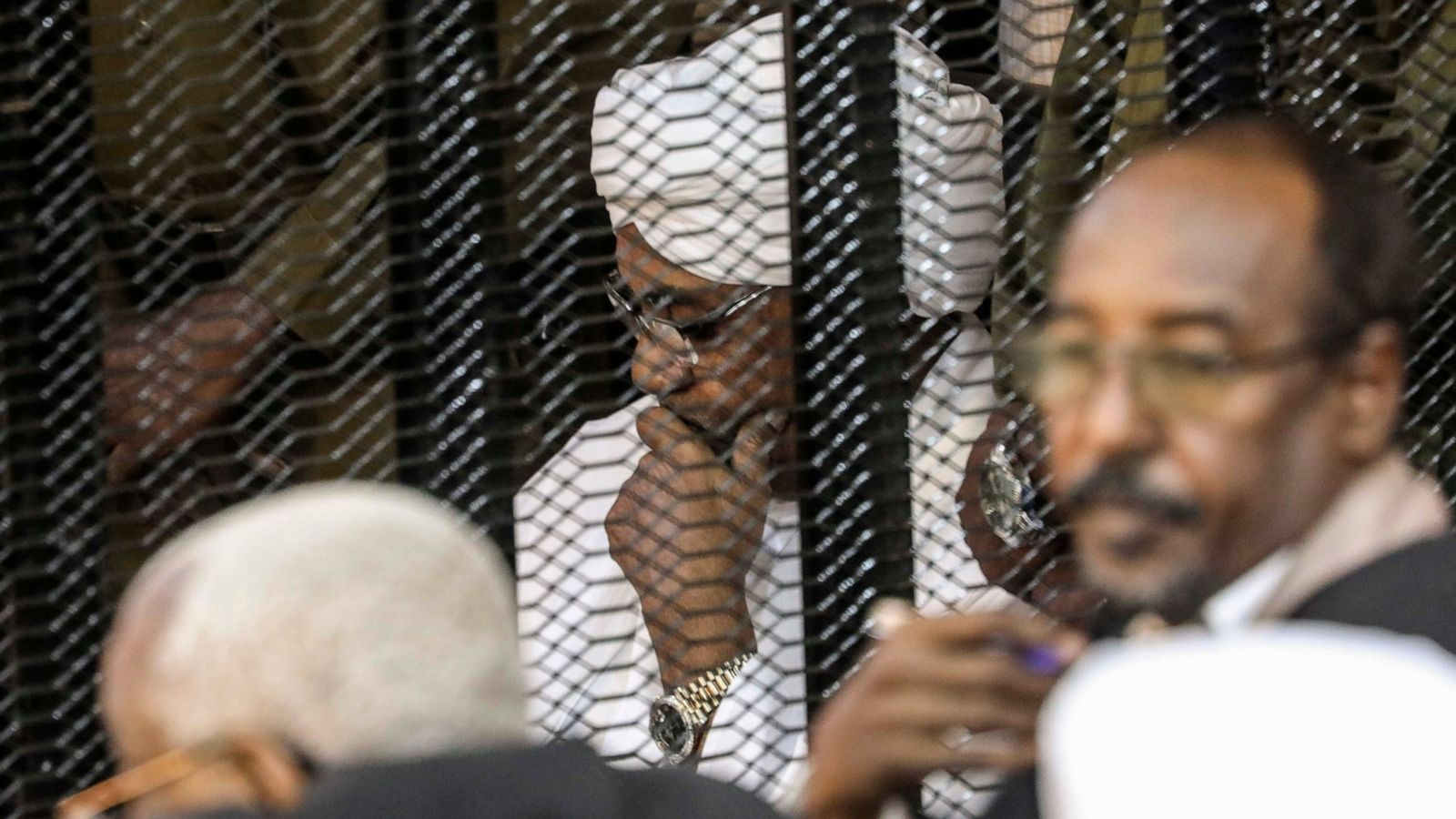






 Justice in Conflict