
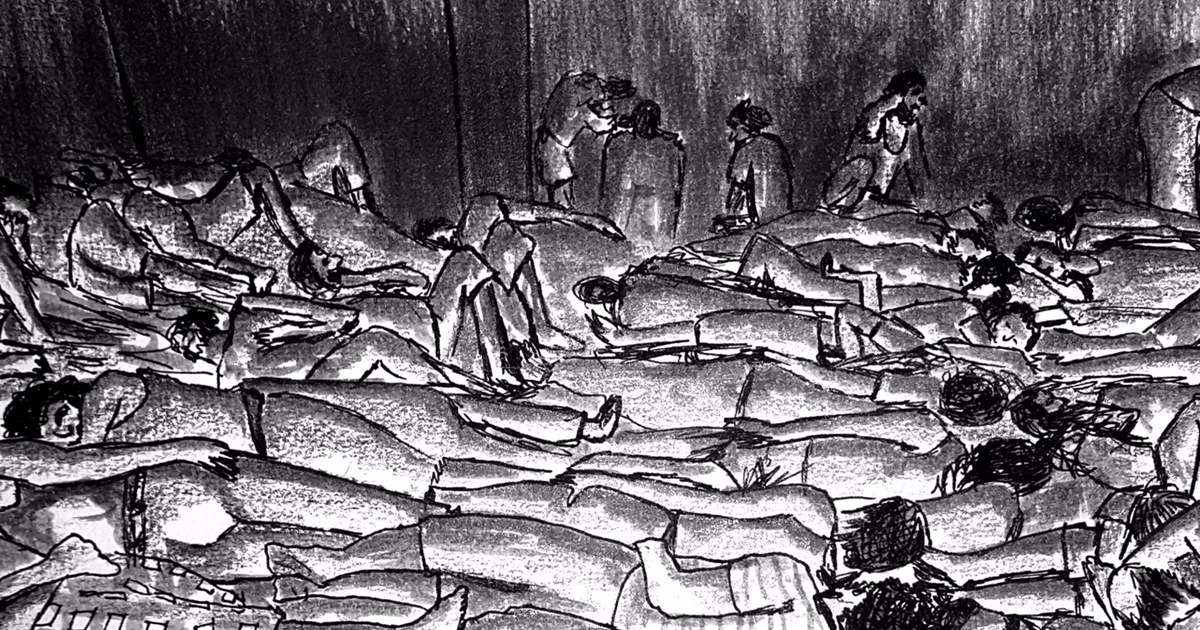
Last month marked the tenth anniversary of the brutal civil war in Syria. The number of atrocities committed over that span is bewildering. In all probability, every single human rights violation and international crime enshrined in international law has been perpetrated in Syria during the last decade, most repeatedly. Yet ten years on, accountability for those atrocities has been minimal, an embarrassing blemish on the reputation of all states that stand for international justice. Canada’s decision to join an effort to bring Syria to the International Court of Justice (ICJ) over human rights violations and torture won’t change that. But it is an important decision at a crucial juncture for Syria.
On 4 March, the Canadian government announced that it “has requested formal negotiations, under the United Nations Convention Against Torture, to hold Syria accountable for the countless human rights violations it has inflicted on the Syrian people since 2011.” What this means, in short, is that Canada is joining a bold initiative by The Netherlands to eventually bring Syria before the ICJ over the regime of Bashar al-Assad’s wanton programme of systematic torture and atrocity.
What this does not mean is that any Syrian perpetrator will find themselves hauled before a judge to answer for war crimes, crimes against humanity, or genocide. Canada’s move may end up being largely symbolic. But symbols matter, and right now keeping faith that justice for atrocities in Syria alive is crucial. So too is ensuring that Syria’s government remains a pariah.
An uncomfortable truth for advocates of human dignity and rights is that Assad has effectively won the war in Syria. There will no doubt continue to be intermittent hostilities. But the dream of a democratic Syria without Assad at the helm has largely been quashed – at least for now. A leader with comparable blood on his hands to any dictator or despot in human history is safe, for the time being, in his palaces. And he has friends working for him.
Right now, Russian President Vladimir Putin is working closely with counterparts in Syria to rehabilitate Assad’s reputation. To think that that is impossible is sadly naïve. It’s also potentially dangerous.
Take Libya, for example. Few heads of state have been as castigated as Libya’s Muammar Gaddafi in the 1980s and 1990s. The “mad man” of the Middle East was despised due to his sponsorship of terrorist organizations abroad and his repressive rule at home.
Continue reading




 Justice in Conflict