
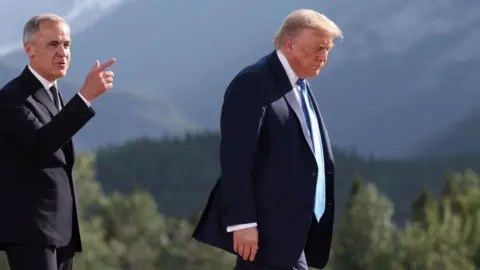
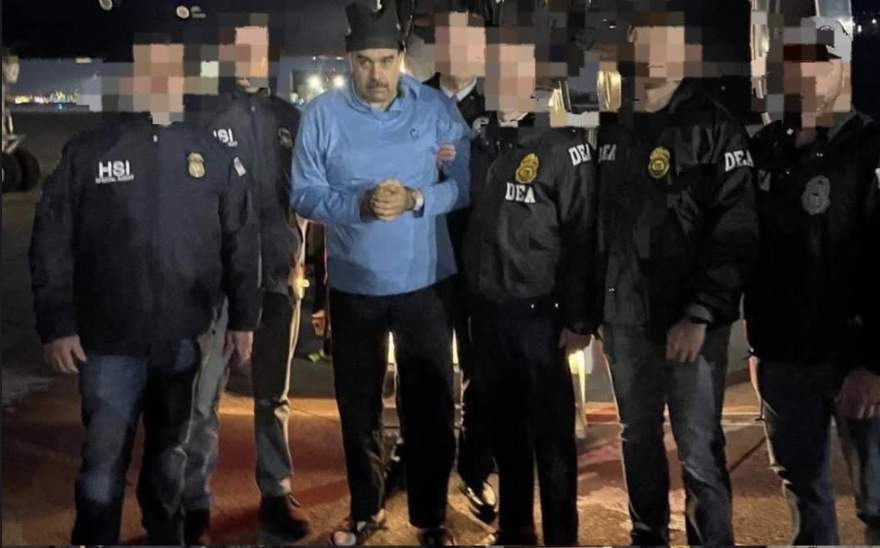
It is not just the attacks on Venezuela and Iran, breaches of the United Nations’ Charter, or the use of illegal force that still somehow left a dictatorship in place.
It is not just the threats to annex Greenland or to make Canada the 51st state – both of which would violate the territorial integrity of sovereign states protected under international law.
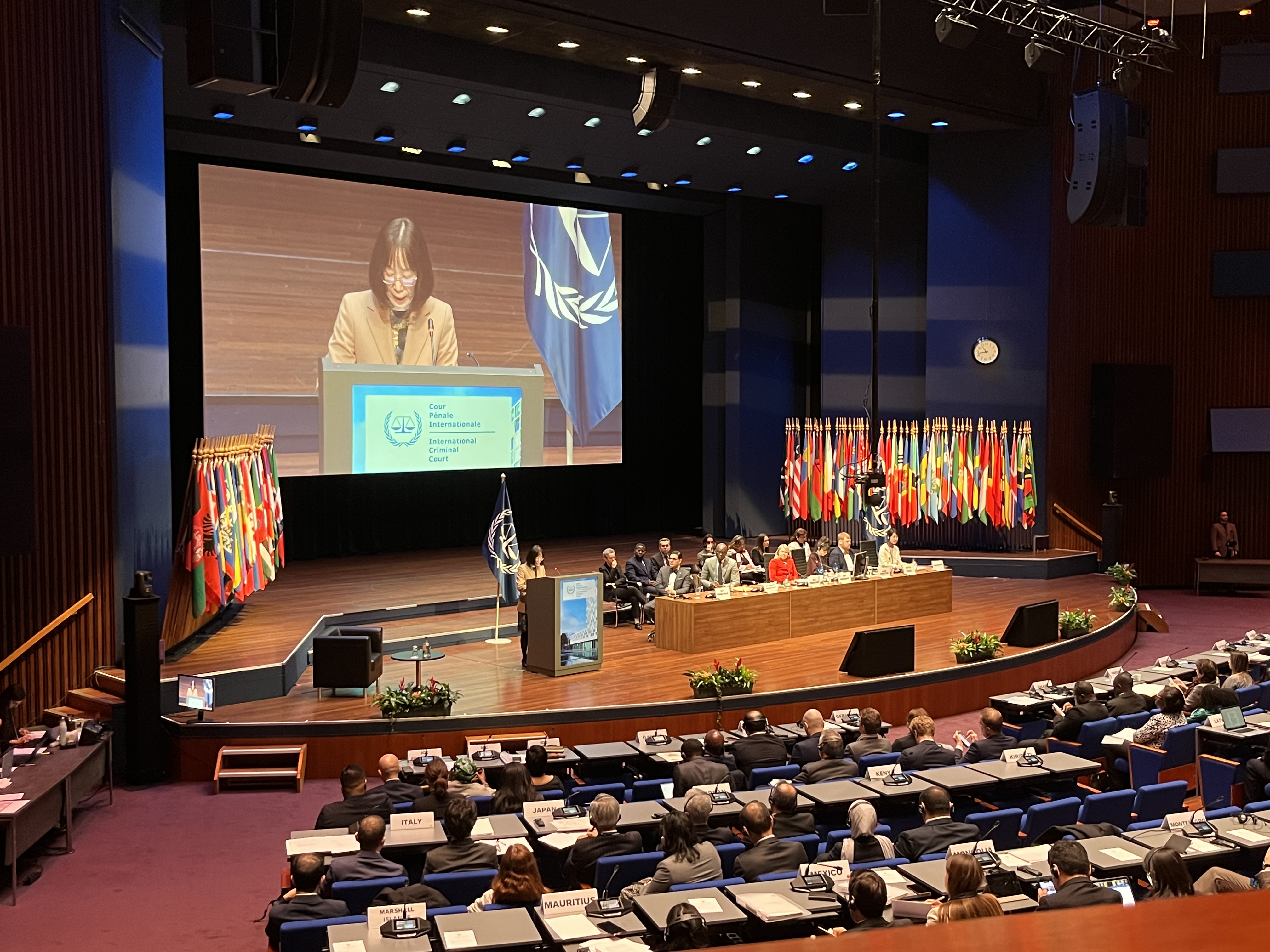
It’s not just the admiration that U.S. President Donald Trump has for Russia’s Vladimir Putin or Israel’s Benjamin Netanyahu, both in the process of illegally annexing territory. And it’s not just the sanctions issued against Canadian officials at the International Criminal Court (ICC) or defunding the UN.
It’s all of it.
America is engaged in a full-frontal, multi-pronged attack on what still exists of the international rules-based order and its institutions – and we are just one year into President Trump’s four-year term.
Yet the Liberal government of Prime Minister Mark Carney appears incapable of calling out U.S. violations of international law. On Venezuela, Mr. Carney tried desperately to avoid condemning the illegal attacks, stating that “Canada calls on all parties to respect international law.” That stance is (hopefully) true every day, and so offers little during a concrete geopolitical crisis.
Continue reading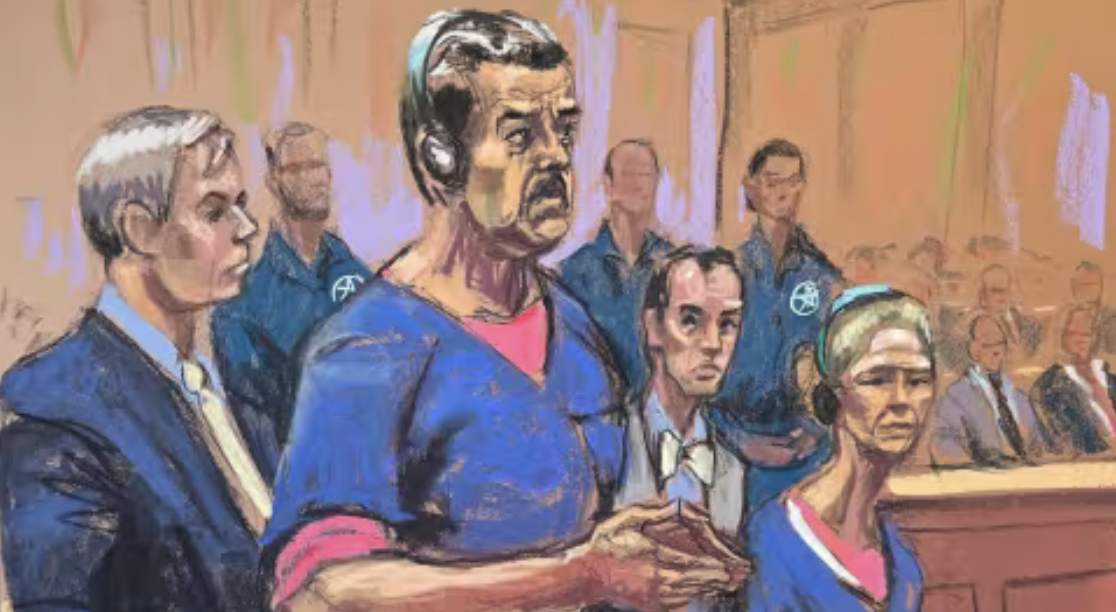



 Justice in Conflict