
The following is a guest-post by Maxine Rubin on the relationship between Germany and the International Criminal Court. Maxine is a Research Fellow and the Editor of Africa Spectrum, at the German Institute for Global and Area Studies. She has a PhD from the University of Cape Town.

How does a state recover its international image after perpetrating a genocide? Germany’s approach to this quagmire has been to commit to the rule of law and to international law. In line with this, Germany played a central role in the negotiations to create the International Criminal Court during the 1990s. Since the ICC began operations in 2002, Germany has been the second highest financial contributor and a consistent supporter of the Court. Given this, and the dire need for unequivocal commitment to a rules-based order, why is Berlin’s support for the ICC faltering when the Court needs it most?
Support from the ICC’s members is more important than ever. The Court faces extensive sanctions from the US, as well as withdrawals from Mali, Burkina Faso, Niger, and Hungary. In many ways, Germany presents itself as a consistent supporter of the ICC. In the past few months, Berlin noted its regret regarding the US sanctions on the Court and played a central role in the amendments proposed to strengthen the ICC’s jurisdiction over the crime of aggression at the ICC’s recent Review Conference. Germany provides roughly 13% of the Court’s annual budget and, until now, there has always been a German judge on the bench. Supporting the ICC is a manifestation of Germany’s commitment to the rule of law – a commitment that shapes Germany’s efforts to redress the atrocities it committed during WWII and the Holocaust.
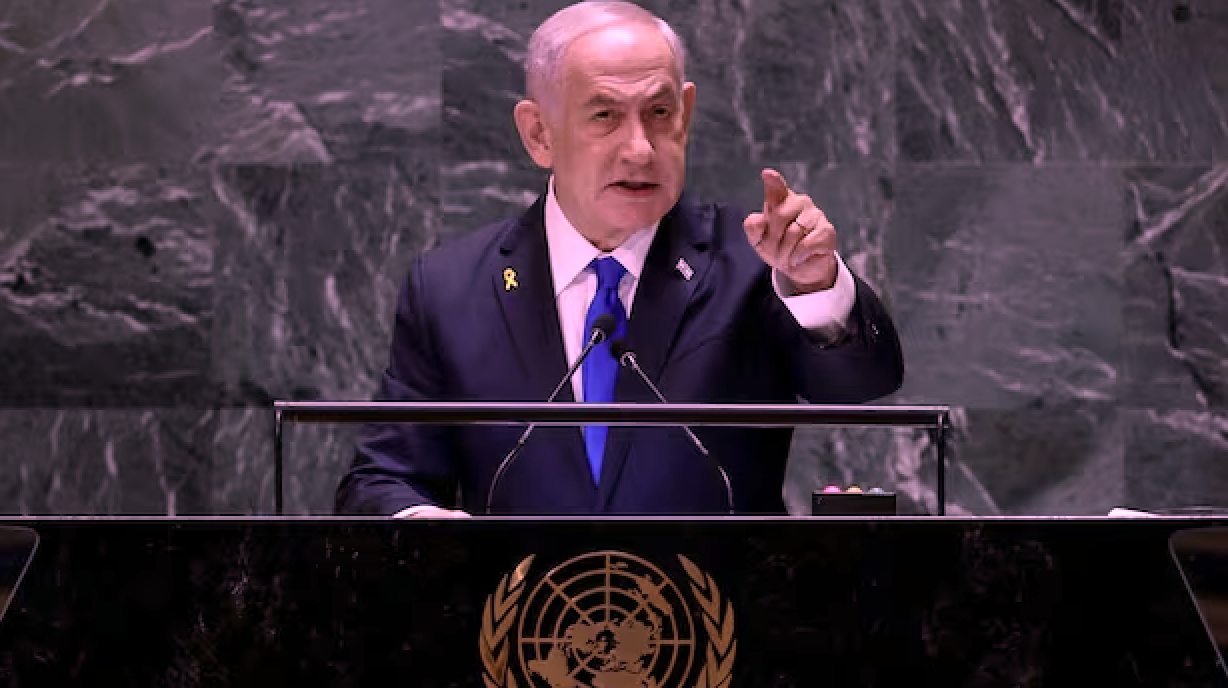
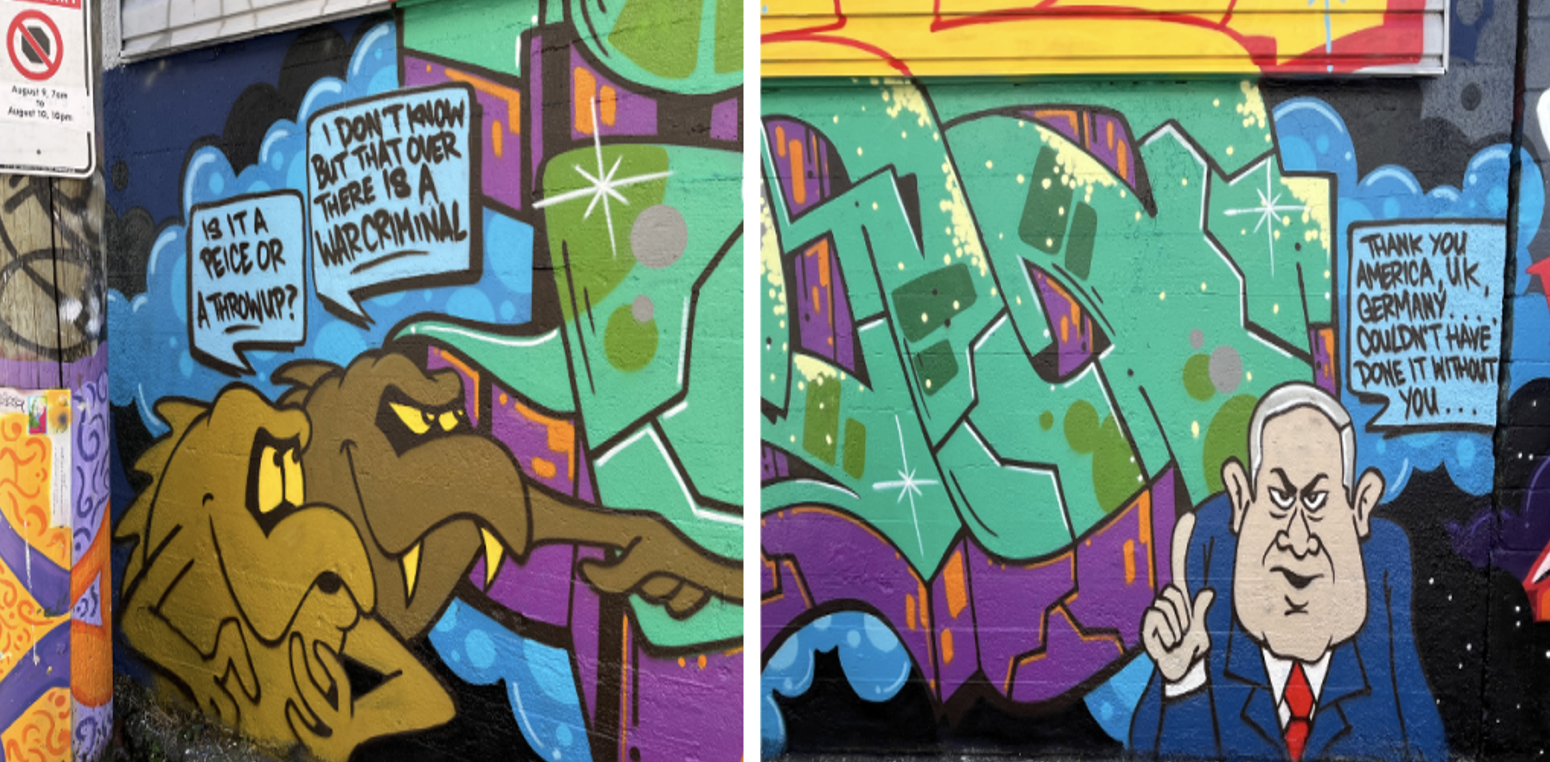
Germany also made another commitment in the aftermath of the Holocaust: to ensure the security of the state of Israel. Protecting Israel’s security is considered Germany’s Staatsräson (reason of state or raison d’etat), as former Chancellor Olaf Scholtz stated in the wake of the 7 October 2023 attacks on Israelis by Hamas militants: “our responsibility that grew out of the Holocaust makes it our everlasting task to stand up for the existence and security of the State of Israel.” Consequently, when the ICC’s Office of the Prosecutor announced the arrest warrant for the Israeli Prime Minister Benjamin Netanyahu roughly in 2024, Berlin confronted a dilemma between its post-WWII commitments.
Continue reading




 Justice in Conflict