
International investigations play a critical role in establishing responsibility for war crimes. Amidst contradictory and competing claims over wrongdoing that characterize conflicts, international investigations can help us see through the fog of war and pinpoint not just what happened, but who is responsible. The current conflict between Israel and Hamas calls for such an effort.
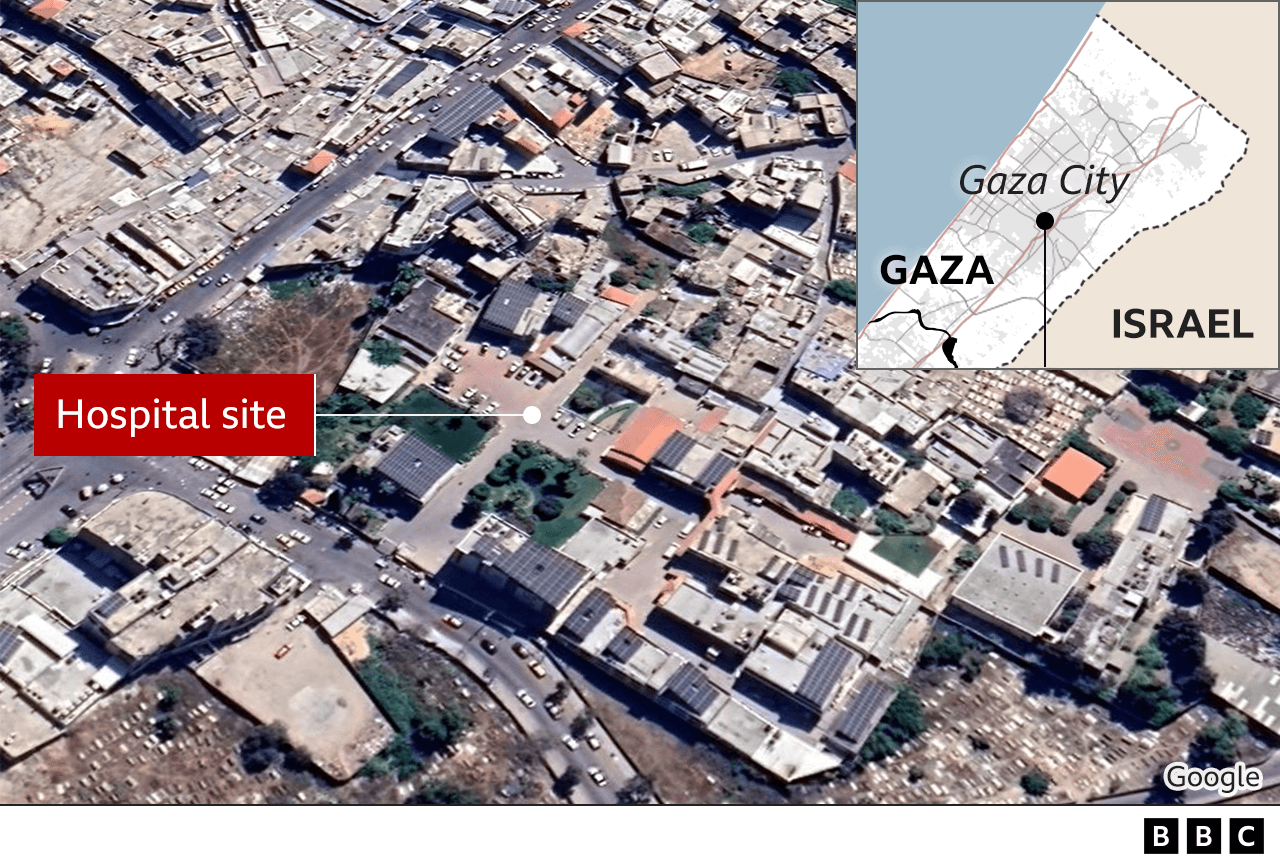
Since the explosion at the al-Ahli Arab hospital, a panoply of media, civil society, and state examinations have concluded who they believe was responsible for the tragedy. There is no doubt some rushed to conclusions too quickly. But without a proper, well-supported international investigation into the alleged crimes committed in Israel and Palestine, people will be left with conflicting and contradictory findings. That serves exactly no one, not Israel, not Palestine, and certainly not victims or survivors.
The war between Israel and Hamas has already seen a heartbreaking amount of human suffering. Reacting to the hostage taking, murders, shelling of civilian areas, siege warfare, and denial of humanitarian aid (all of which may be violations of international law), states have called for adherence of international humanitarian law and for accountability.
The leaders of the United States, United Kingdom, Canada, Italy, and Germany collectively chimed in with a statement reiterating “their support for Israel and its right to defend itself against terrorism and called for adherence to international humanitarian law, including the protection of civilians.” Yet not one of those states supports an international investigation into violations of international humanitarian law.
Following the devastating loss of life at the al-Ahli Arab hospital, Canadian Prime Minister Justin Trudeau announced: “It is imperative that innocent civilians be protected and international law upheld. Together, we must determine what happened. There must be accountability. There must be accountability.”
But accountability is not just a word. It requires a commitment to impartial investigations and to supporting institutions able to hold responsible perpetrators of international crimes. Most Western states have never made that commitment to victims and survivors in Israel or Palestine. They should change course and do so.
Under international humanitarian law – also referred to as the laws of armed conflict – states involved in wars have an obligation to investigate alleged war crimes, including those committed by their own forces. The problem is, they are notoriously bad at it. States at war have an incentive to minimize their own responsibility for atrocities, especially when popular support for a war is at stake. This is true even of democracies.
Continue reading





 Justice in Conflict