
Cloé Dubuc joins JiC for this guest-post on the war crime of starvation. Cloé is an L.L.M candidate at Laval University and assistant director of the International Criminal and Humanitarian Law Clinic.
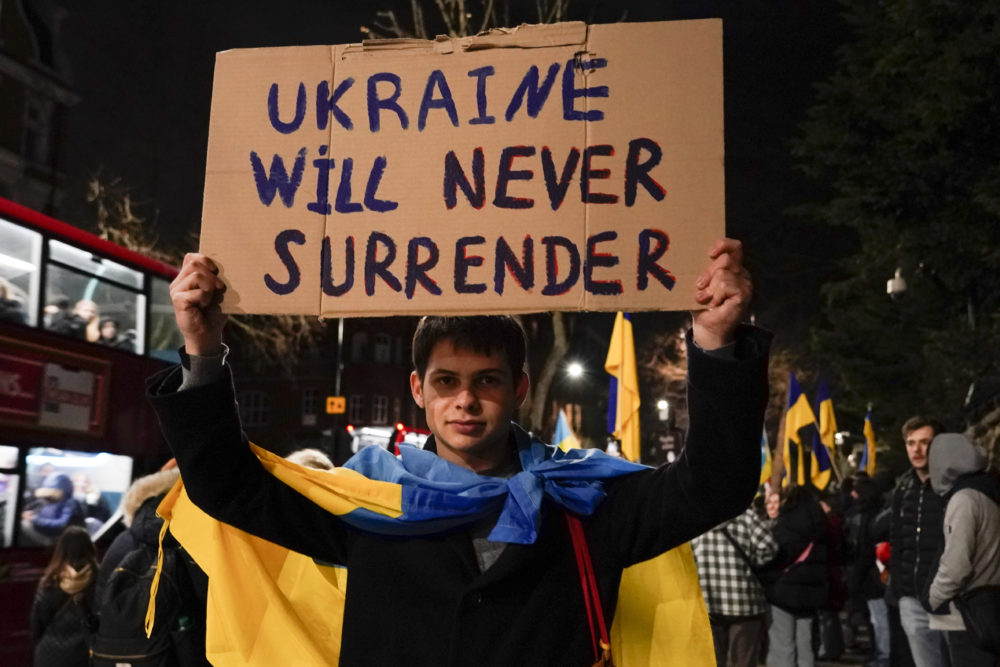
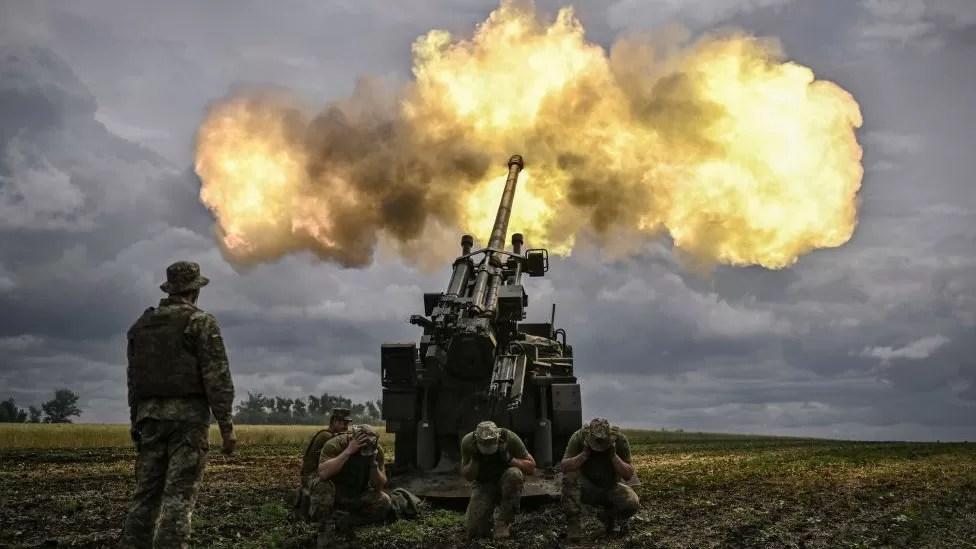
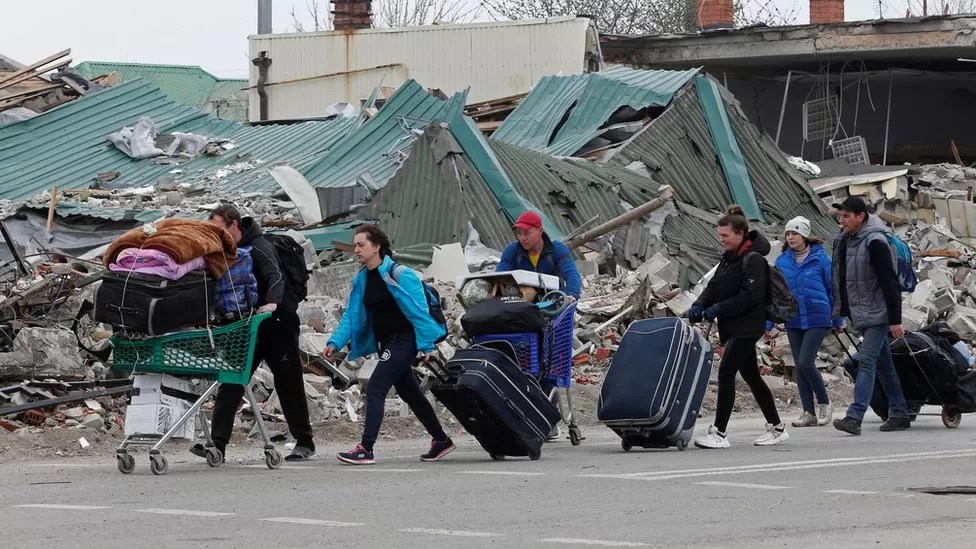
In the midst of the war in Ukraine, allegations of Russia’s use of starvation tactics are mounting. Several sources have reported obstruction of humanitarian access and shelling of food storage facilities. Ukraine’s Foreign Minister has described these tactics as “hunger games” played by Russia.
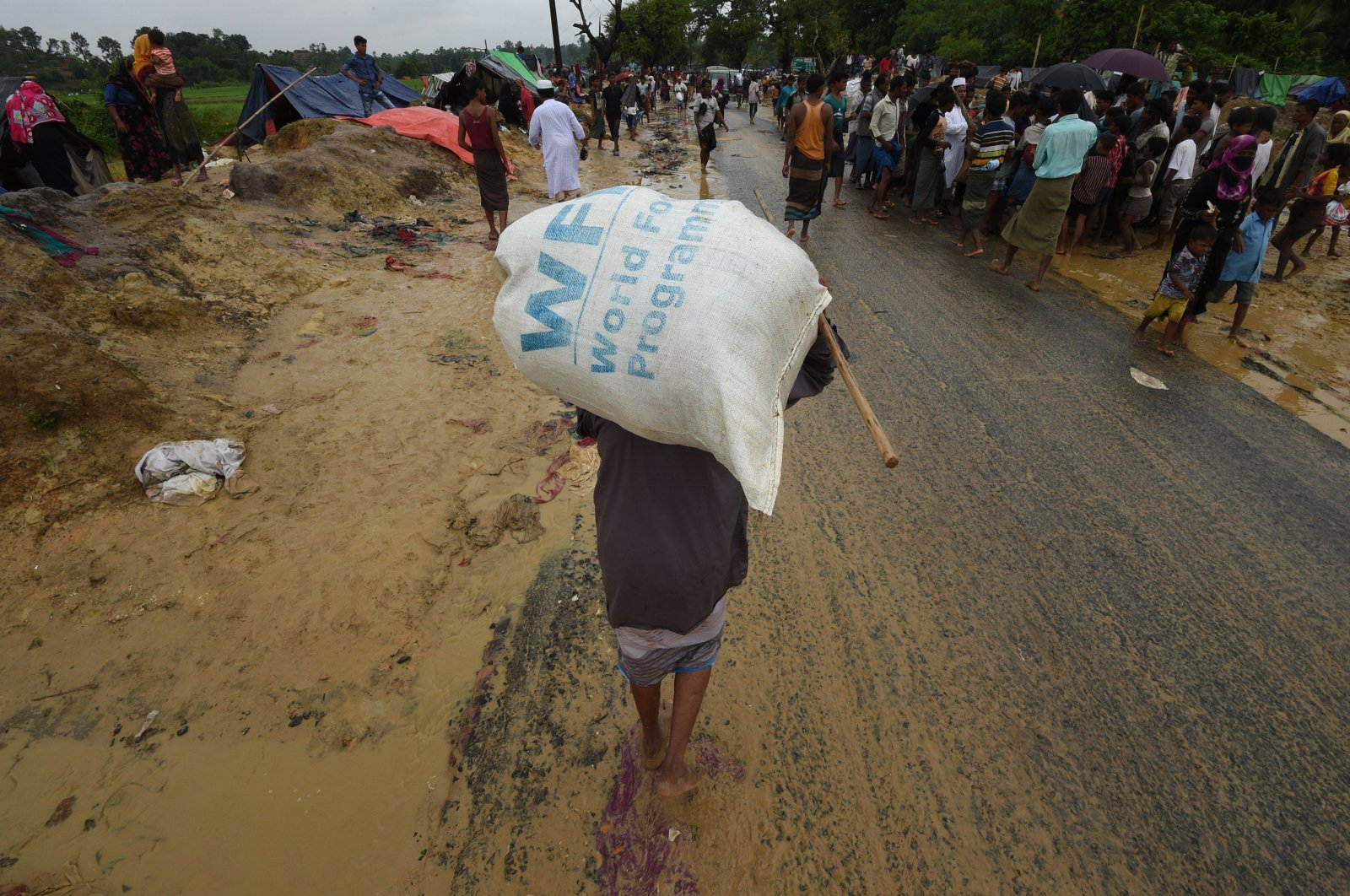
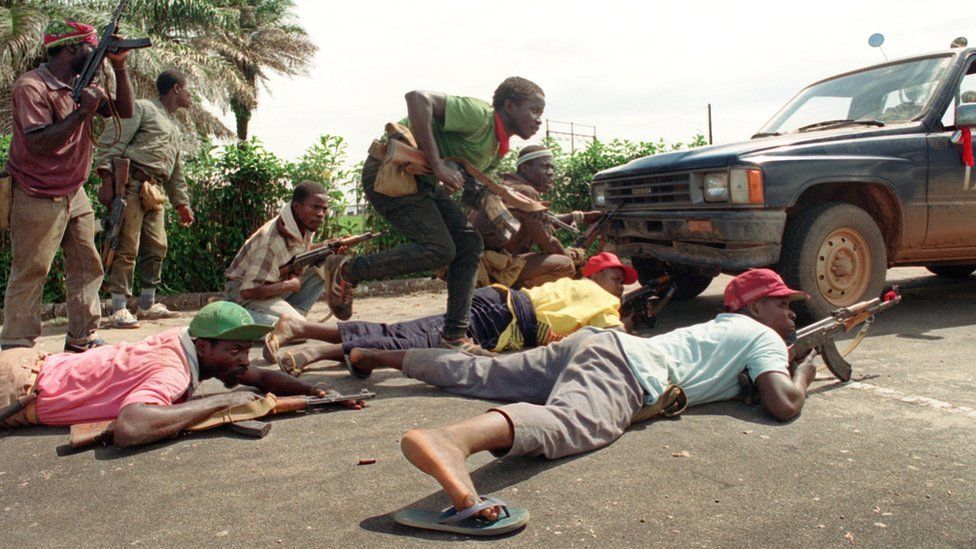
Similarly, recent investigations have found widespread destruction and looting of food, agricultural products, livestock, markets, and crops in several counties of South Sudan. These deliberate starvation tactics have forced hundreds of thousands of civilians to flee, exacerbating food insecurity and famine in the country. The World Food Program now estimates that 8.3 million South Sudanese – 75% of the population – are suffering from severe food insecurity.
While the situations in Ukraine and South Sudan shadow the same phenomenon and are leading to similar consequences for those targeted, victims are not provided with the same recourse to justice. As of today, a critical gap remains in the fight against impunity for these so-called starvation tactics. Indeed, the International Criminal Court (ICC) currently lacks the legal capacity to prosecute perpetrators in South Sudan for destroying livestock and crops. The reason? The use of starvation as a method of warfare is only criminalized as a war crime in international armed conflicts (IACs) under the Rome Statute (see Article 8(2)(b)(xxv)).
As conflicts today increasingly take the form of civil wars, rebel insurgencies, or other types of internal violence, the urge to close the Rome Statute’s gap is even greater. This pressing call for action was partially answered in 2019, when Switzerland proposed an amendment to the Rome Statute to criminalize the use of starvation as a method of warfare in non-international armed conflicts (NIACs). The proposal was unanimously adopted by the ICC’s state parties and subsequently ratified by 11 countries.
This ongoing development was welcomed during the 21st session of the Assembly of State Parties of the ICC at the side event titled “Strengthening the Protection of Civilians: Why Ratifying the War Crime of Starvation Matters”. The panelists called for broader ratification of the Starvation Amendment (see here for an explanation of the Rome Statute’samendment regime). This event was organized, among others, by the Global Rights Compliance Foundation (GRC) and was aimed at launching the GRC Ratification Guidebook.
Continue reading


 Justice in Conflict