
The following is the fourth instalment in a four-part series by Jenna Dolecek on justice and accountability for victims and survivors of atrocities committed in Myanmar. For the first, second, and third parts of the series, please see here and here.
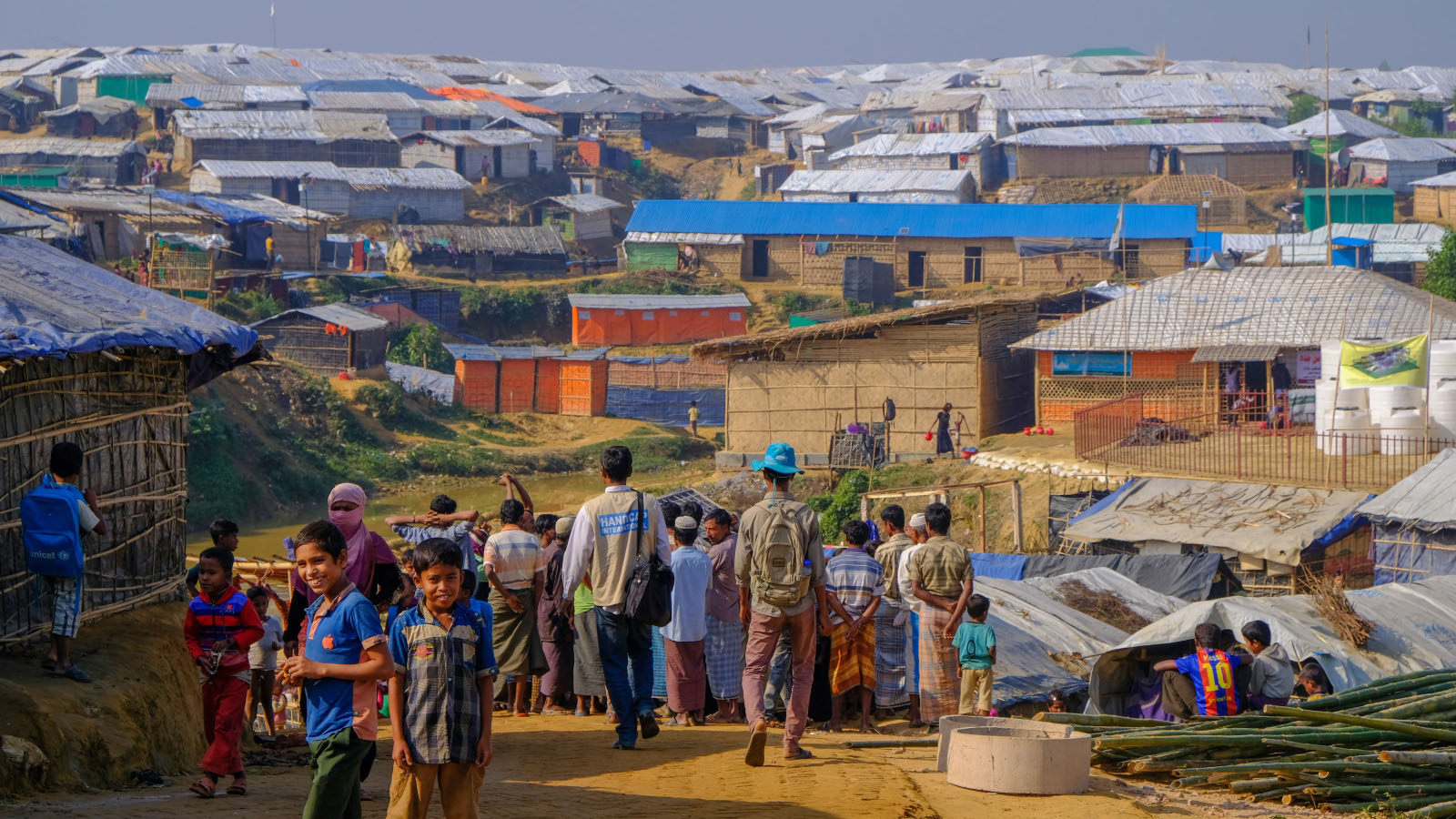
The world’s rapid mobilization to support Ukraine’s pursuit of justice stands in stark contrast to its inconsistent response to Myanmar. This final installment asks why and what these disparities reveal about political will, global empathy, and the unequal attention of international justice. It reflects on what Myanmar’s struggle tells us about who receives global solidarity and who is left waiting.
Our previous posts have discussed what justice means to the people of Myanmar and how the leveraging of universal jurisdiction (UJ) is an attempt to fill a gap in accountability. We have also explored possible alternative justice mechanisms, such as hybrid courts, like the Extraordinary Chambers of the Courts of Cambodia, and the local, tiered gacaca court system in Rwanda. Today, we end on a comparison, examining why some conflicts receive more attention and support than others.
Double Standards in Global Support for Ukraine and Myanmar
Why do some conflicts and demands for accountability receive more attention and support than others?
One possible answer is that civil war does not garner the same reaction as external acts and wars of aggression. But why? The only difference between external aggression and internal attacks is crossing a border. Yet, it is civilians whopay the price regardless of the attacker’s origin.
Studies have shown that less attention is paid to civil wars as opposed to interstate wars. When it comes to media coverage, which shapes much of public opinion, some believe the priority in coverage is due to countries’ geopolitical and economic significance. If a country is less economically and politically significant, it is less likely to receive as much coverage as conflicts involving countries with more power and influence. For example, the conflict in Sudan has costover 150,000 people their lives and displaced over 10 million. Yet, it has been eclipsed in media coverage by the suffering in Ukraine and Gaza, two conflicts with far reaching geopolitical and economic consequences. However, the instability in Sudan has important geopolitical consequences, affecting neighbouring countries and trade partners. It may not be as globally significant, but the conflict has serious regional implications.
Continue reading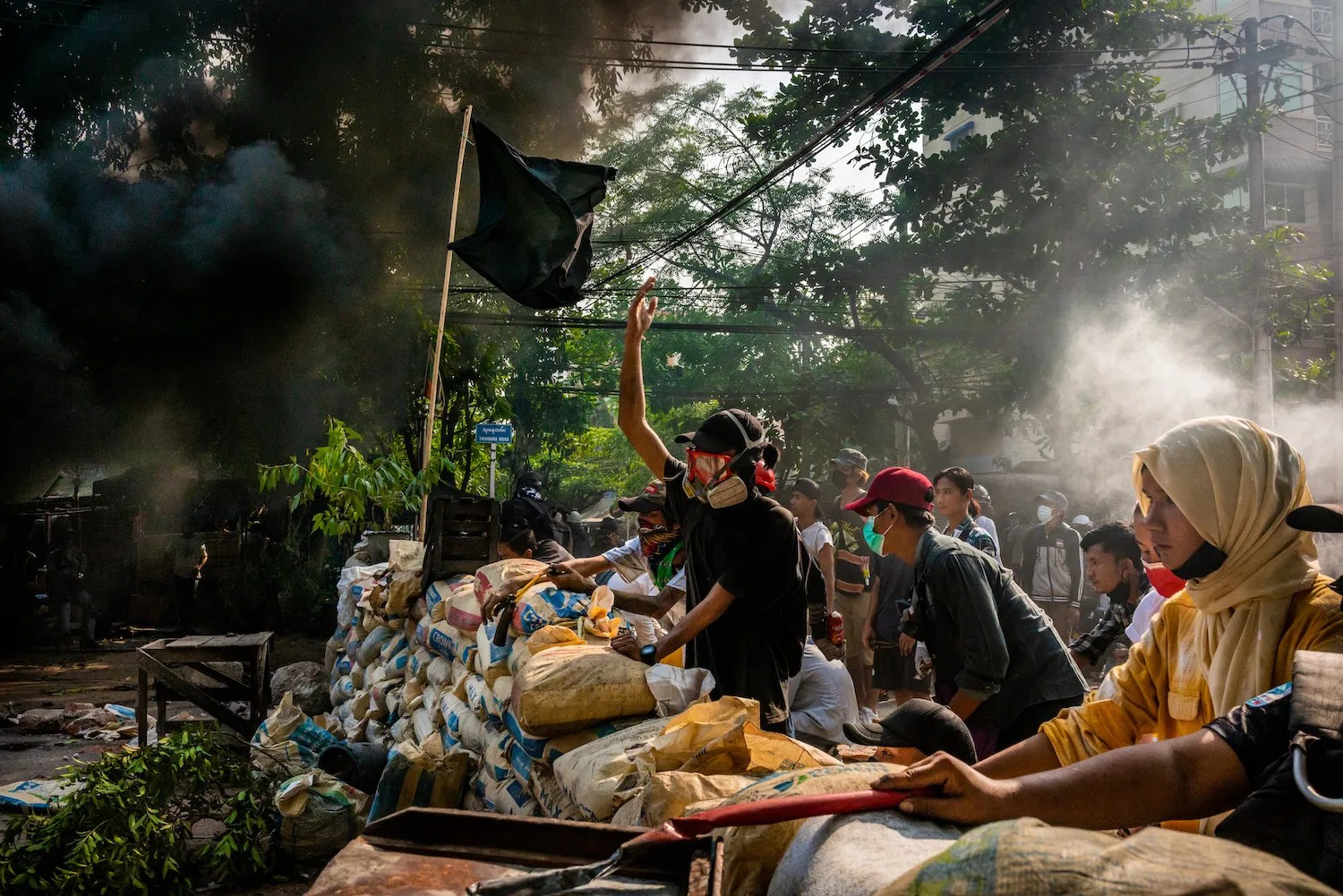






 Justice in Conflict