
The following is a guest post by Cristina Orsini, a Senior Programmes Advisor with Lawyers for Justice in Libya, contributing to litigation and advocacy on human rights violations and international crimes. Cristina is also a PhD Researcher in Law at the European University Institute, exploring international criminal law and colonialism.
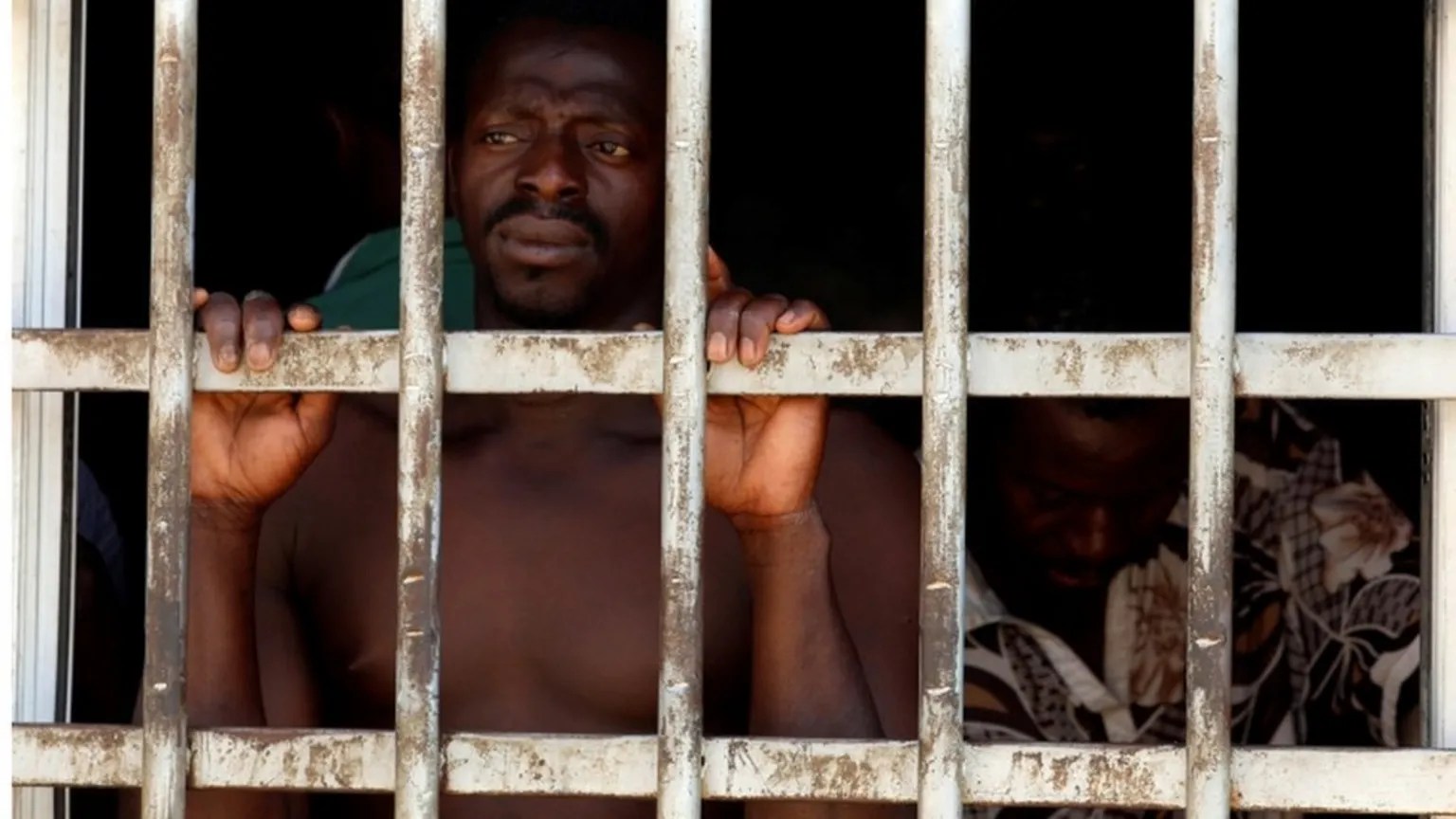
Since 3 November 2025, an Eritrean national known as ‘Walid’ has been standing trial in Zwolle, the Netherlands, for allegedly leading a criminal organisation dedicated to smuggling migrants, refugees, and asylum seekers through Libya. The case, known as ‘Pearce’, is widely seen as ‘extraordinary’ and ‘unique’, and is being followed closely in the Netherlands and beyond. Done right, this case could provide a measure of justice to many migrants, while setting a critical precedent for a broader reckoning with entrenched systems of abuse. Watching the trial unfold after years of documenting crimes against migrants in Libya with Lawyers for Justice in Libya (LFJL), however, I wonder whether Dutch authorities are letting this chance slip away.
In one sense, the trial is truly extraordinary, as it is extremely rare for migrants who have experienced horrific human rights violations in Libya to have access to any justice. If some of them can now hope for acknowledgment, accountability, and some compensation, it is because Dutch authorities proactively pursued this case in the first place, collecting hundreds of testimonies in the process. They are also providing interpretation and livestreaming of the trial in Dutch, English, and Tigrinya, making it accessible to affected communities and the wider public.
Yet, while the trial may be unique, the accused’s actions are not. The experiences recounted by Walid’s survivors are sadly commonplace in Libya, where the exploitation of migrants has become an integral part of the country’s conflict economy (with trafficking already accounting for 3.4 percent of Libya’s GDP by 2015). In this context, by focusing on human smuggling charges, Dutch prosecutors are missing the larger picture: the exploitative, systematic and widespread nature of the crimes committed against migrants in Libya.
Continue reading




 Justice in Conflict