Luis Moreno Ocampo joins JiC and Opinio Juris for this opening foray into our online symposium on the next ICC Prosecutor. Moreno Ocampo is the Founding Chief Prosecutor of the ICC (2003-2012).
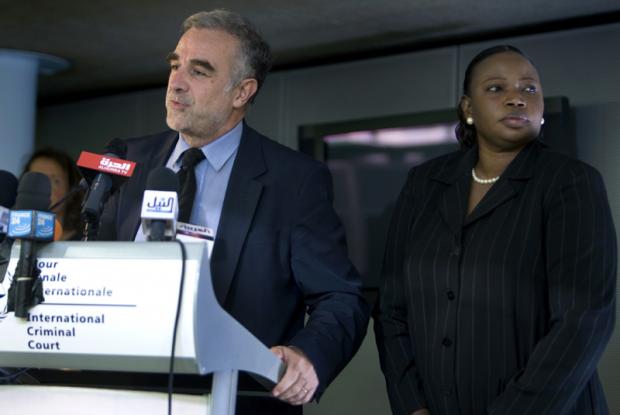
Former ICC Prosecutor Luis Moreno Ocampo speaks at a news conference as Fatou Bensouda, his former Deputy Prosecutor and current ICC Prosecutor watches on (Photo: D+C)
In late 2020, the third International Criminal Court (ICC) Prosecutor will be appointed. One thing is certain: she/he will face new challenges. Should the new Prosecutor open an investigation in Venezuela? Or against British personnel in Iraq? Burundi, Philippines or Georgia? What should be the focus of the Afghanistan and Palestine investigations?
At the beginning of the Office of the Prosecutor (OTP)’s operations the context was completely different: there were doubts about the viability of the entire Rome Statute. The George W. Bush Administration was campaigning against the ICC and even those working at the Court had doubts about its feasibility. David Bosco reminds us (at 81) that one of the first judges and his colleagues “were not at all sure about whether this new baby would be able to survive all the hostility shown by the big powers.”
The third ICC Prosecutor will work in a completely different environment. After more than 17 years, the Rome Statute is part of the international landscape, the Court’s existence is no longer at risk. What remains up for debate, however, is its relevance, and more broadly, the relevance of international law to manage violence and protect individuals in the 21st century.
The OTP has enormous responsibilities. It identifies the situations and the suspects involved in Court proceedings and obtains the evidence to put them to trial, but we must not forget that the relevance of the Rome Statute is largely defined by decisions taken outside the court room by political leaders, state representatives, regional organizations and the UN Security Council.
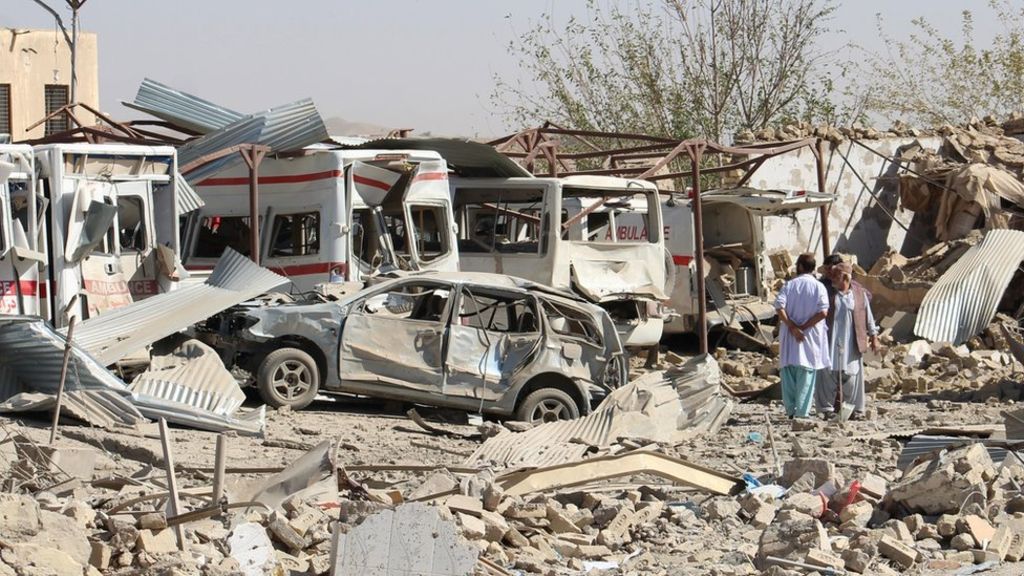
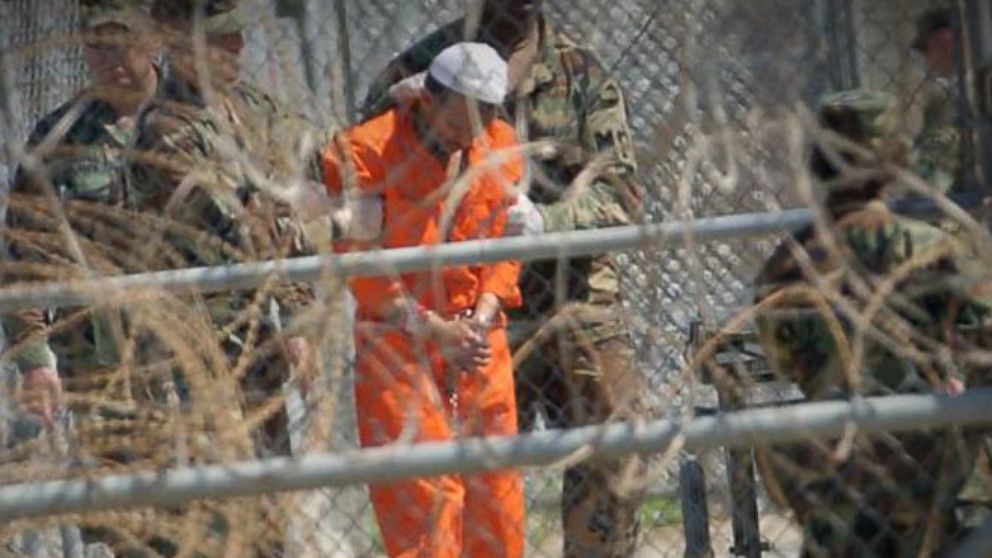
In the last few years, the Secretary General of the Organization of American States has been demanding the ICC’s intervention in Venezuela. Chile, Argentina, Paraguay, Canada and Peru referred the Venezuela situation to the Court, and recently, Nicolas Maduro also referred the situation to the ICC requesting the investigation of the impact of the US sanctions in Venezuela. Palestine and Ukraine are requesting investigations that could involve citizens from Israel and Russia, and both countries are refusing to recognize the legitimacy of the Court’s intervention. The CIA’s personnel could be investigated in the Afghanistan situation and the current U.S. government is threatening the Prosecutor and Judges. Furthermore, a negotiation to end the conflict was just signed between US and the Taliban and the investigation could affect its implementation. A case against UK personnel involved in war crimes in Iraq and Afghanistan could also trigger more political conflicts. There are debates in Sudan on surrendering the former President Al Bashir to the ICC. Philippines and Burundi withdrew from the Rome Statute, but the Prosecutor is analyzing or investigating the alleged crimes committed before the withdrawal. The interaction with those former state parties will, without a doubt, be complex. On the other hand, Kiribati, a small country from the Pacific Ocean, became the 123rd state party in February 2020.
The next Prosecutor
In this context, what will be the role of the new ICC’s Prosecutor? She/he will inherit an Office with more than 350 dedicated staff managing ongoing investigations and trials in accordance with Regulations, policy papers and a detailed Operational Manual based on almost two decades of practice. The Prosecutor’s role is similar to that of an orchestra director. She/he will have to harmonize the work of those 350 players coming from more than 90 different countries, who have different traditions, and expertise, including international law, investigations, security and international criminal law. The new Prosecutor could direct the OTP “orchestra” by reviewing the Office’s Regulations and the Operational manual. Or she/he could modify the organization of the work, appoint new players, and move the current players to different positions. She/he should also integrate the OTP’s ensemble with a variety of other players directed by the Registrar, like the victim unit and the witness protection unit, or states parties representatives which are following their own partiture, to obtain cooperation and arrest individuals sought by the Court. During the litigation phase, the OTP’s “orchestra” will interact with the suspects, and victims’ lawyers, who are presenting simultaneous and different arguments, like in a polyphonic music, with two or more independent but related melodies. In any case, the judges of the different Chambers, who are still consolidating the ICC’s jurisprudence, are the directors of the litigation process and will make the final decisions on the individual responsibility of the accused.
The ICC Prosecutor’s role
To clarify the Prosecutor’s specific challenges, it is important to respect the legal architecture adopted by the Rome Statute, to distinguish the roles it provides to the different players and the three substantial activities that should be exclusively performed by the OTP. Firstly, like no other previous prosecutor in the world, neither national, nor international, the ICC Prosecutor has the independent and exclusive authority to propose where and when the Court should intervene; the OTP is ‘the gatekeeper’of the entire Rome Statute connecting the national system with the Chambers of the Court. Secondly, as in some national jurisdictions and in the ad hoc international tribunals for the former Yugoslavia and Rwanda, the ICC Prosecutor must conduct the investigations. Thirdly, like any national prosecutor, the OTP has to litigate before the Chambers of the Court. The Prosecutor’s autonomy to direct the OTP’s “orchestra” is almost absolute regarding the decisions to conduct preliminary examinations and to trigger or not the Court jurisdiction. It is still broad during the investigation phase where the Office will identify the suspects. But it is very limited during the court proceedings, and the Judges have the exclusive authority to decide on the issuance of arrest warrants and the individual responsibility of the defendants.
Preliminary examinations
The new ICC Prosecutor will find that the Office has dedicated enormous efforts to developing a specific technical area to identify situations under the jurisdiction of the court, clear standards and a transparent process. The evaluation is conducted by the Situation Analysis Section. A policy paper on preliminary examinations defines in detail the procedure to apply in following the Rome Statute. Since 2011, the Office has been publishing a public report every year summarizing its findings on the different situations under analysis. Continue reading →