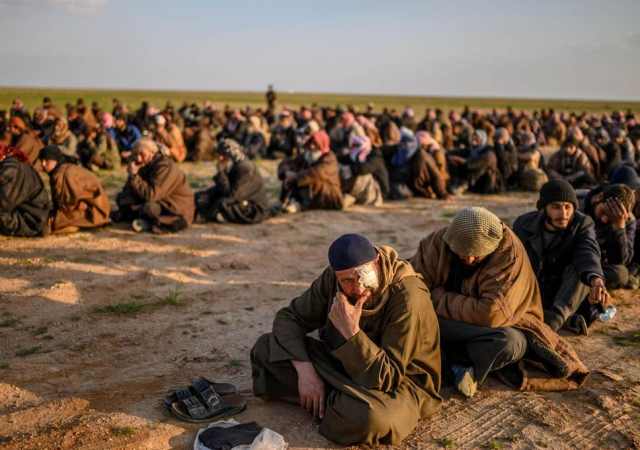
Suspected members of ISIS wait to be searched by Kurdish forces (Photo: AFP)
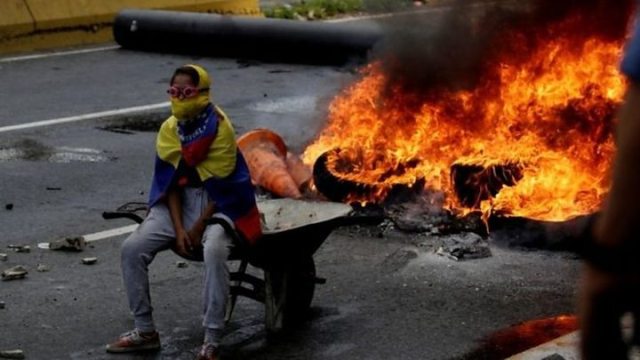
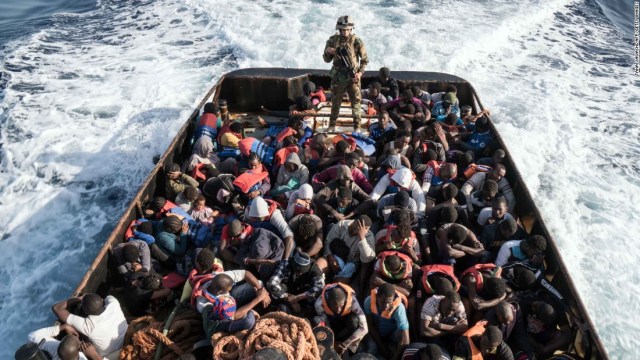
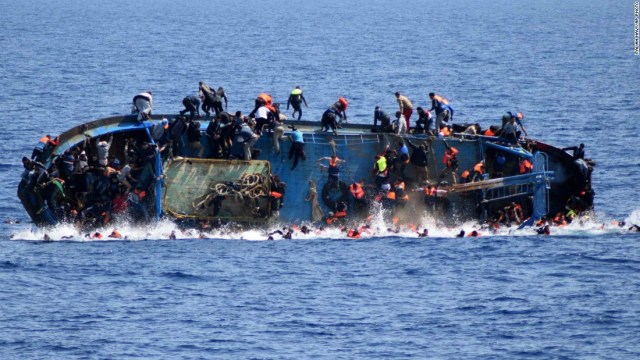
The gap between the demand for global justice and its supply has widened. Victims of atrocities in Syria, Myanmar, Burundi, Venezuela, Ukraine and elsewhere demand justice — but very few are heard. Canada’s approach to international accountability efforts has become unreliable. The current federal election in Canada indicates that the issue is far from the minds of the parties vying for votes. It shouldn’t be.
The Liberal government has done some good on global justice. In 2018, it joined five other states in referring the alleged crimes against humanity committed in Venezuela to the International Criminal Court (ICC). It also lent financial support to some NGOs investigating war crimes in Syria, championed work to stem gender-based violence, and quietly engaged the government of South Africa to keep the country in the ICC.
But these efforts were piecemeal. International justice simply hasn’t been a foreign policy issue for this government or for the parties seeking to replace it. This represents a lost opportunity and is in contradiction to Canadian interests — at both the international and domestic level.
The Trudeau government has frustrated global justice more than it has bolstered it. In 2017, a definition for the crime of aggression was finally negotiated and added to the ICC’s mandate. It allows individual leaders to be held accountable for starting illegal wars and committing acts of aggression. Canada joined a small group of Western states in attempting to stymie those negotiations and dilute the crimes’ definition. At the same time, while Ottawa sent a peacekeeping contingent to Mali, it did nothing to support efforts to hold war criminals there accountable. Following the Trump administration’s bullying over the ICC’s possible investigation into Afghanistan, Ottawa’s silence was deafening. While it did support the referral of Venezuela to the ICC, it has not pushed for the Court to receive more funding for its increased workload.
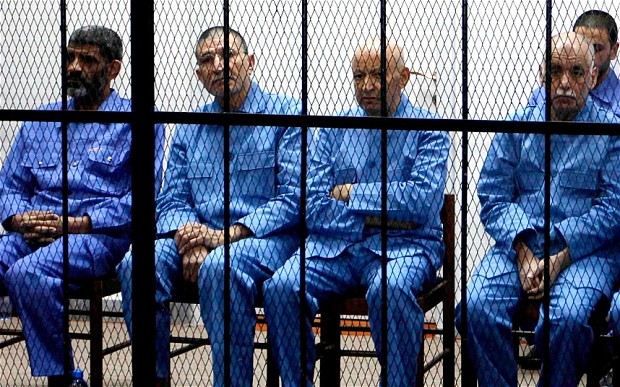
The Trudeau government also framed two major issues with global justice ramifications as domestic ones: the SNC-Lavalin scandal and relations with Saudi Arabia. Despite what Ottawa says, the SNC-Lavalin debacle isn’t simply about jobs here in Canada; it’s also about a company that helped sustain the brutal regime of Muammar Gaddafi, one which eventually turned on and slaughtered its own civilians.
Saudi Arabia and its proxy forces have committed atrocities in Yemen (including the killing of children on a school bus). It is also clear that Saudi Prince Mohammed bin Salman was directly involved the murder of journalist Jamal Khashoggi. Yet Canada continues to sell military hardware to the Saudis. The Trudeau government has insisted that getting out of the deal is not so much about Saudi crimes as it is the cost to taxpayers. Khashoggi’s death — and not those of thousands of Yemeni civilians — led to the government finally stating that it would review its sale of military hardware to the Saudis. That was a year ago. No word yet on where that review will lead.
Successive governments, both Liberal and Conservative, have also been reluctant, if not flat-out negligent, when it comes to international criminals born, bred or living here in Canada. The most recent government estimates suggest that some 200 perpetrators of war crimes, crimes against humanity and genocide currently reside in Canada. We’ve known this for years. Yet no action is taken to prosecute them because, in the view of the government, it would cost too much.