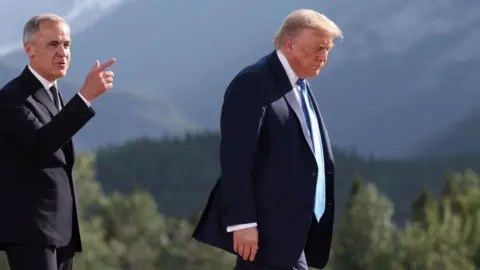
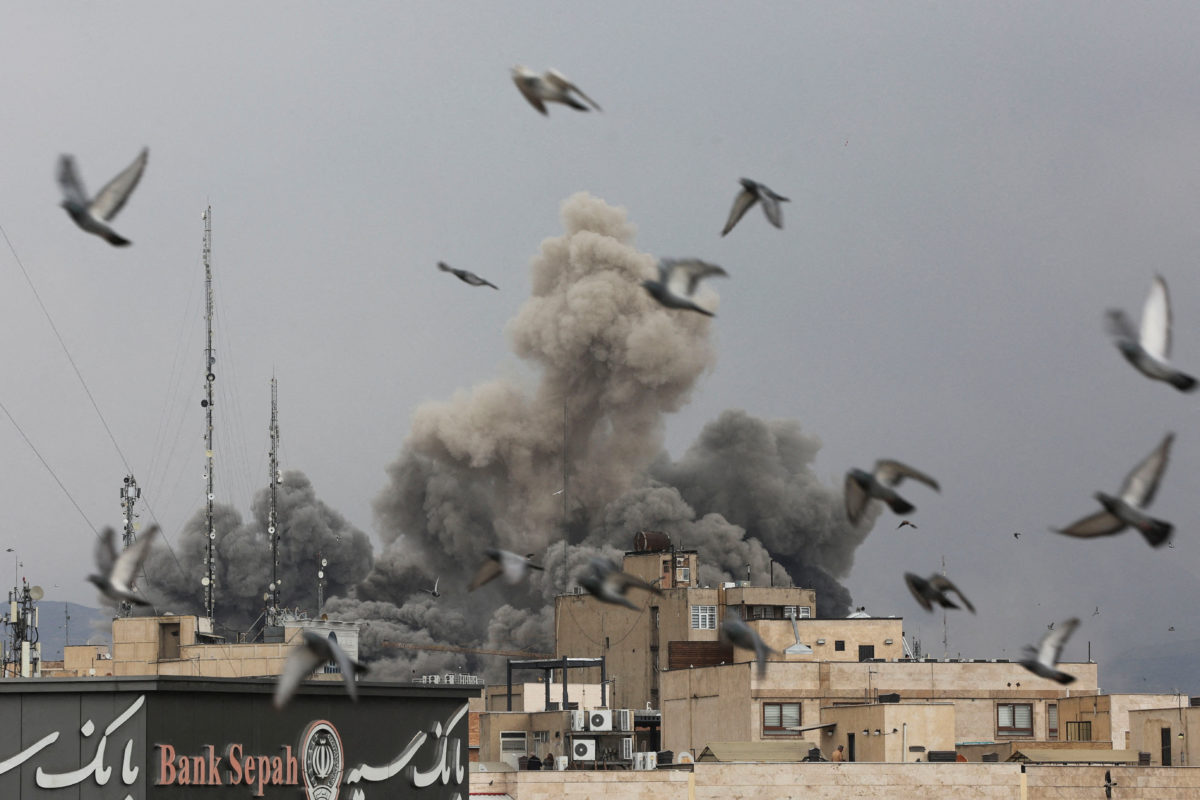
In response to U.S. and Israeli attacks on Iran, the Canadian government declined to defend the United Nations Charter and its prohibitions on the unlawful use of force under Article 2(4). Statements by Prime Minister Mark Carney and Foreign Minister Anita Ananda did not even refer to international law’s relevance to the growing conflict in the Middle East. Their reaction left former Foreign Minister Lloyd Axworthy so exasperated that he said Mr. Carney was “abandoning” Canada’s commitment to preventing aggressive war. He added that Canada was “simply endorsing Trump’s sort of new obsession with becoming an imperial power… the worst kind of situation for Canada.” Axworthy is right. But the truth is, Canada has long been a laggard in denouncing acts of aggression. Against the backdrop of threats to not only its adversaries, but to its allies and Canada itself, it’s time for Ottawa to change tack.
First, though, let’s be clear: while the Iranian regime is beyond the pale in its cruelty and disregard for human rights, the strikes on Iran were manifestly illegal. Neither justification for war – self-defence or UN Security Council approval – were met. There’s no evidence that Iran posed any imminent threat, and the rationale of “pre-emptive” strikes on Iran is word salad for illegal attacks. This is not controversial, but the consensus of international lawyers. As Marco Milanovic explains, “It simply cannot reasonably be argued that these strikes are lawful under the Charter… The violation of the Charter here is simply as plain as it could possibly be.”
It thus appears that Canada’s government has cheered on an act of aggression, the illegal commission of war by one state against another.
Continue reading