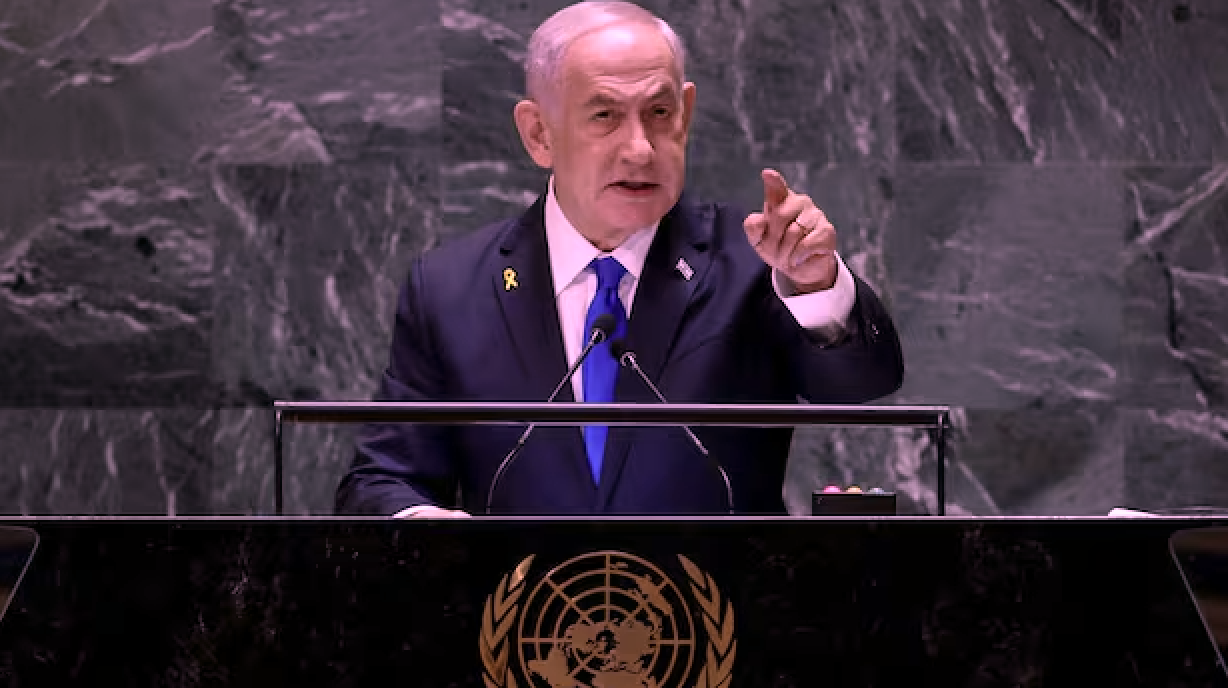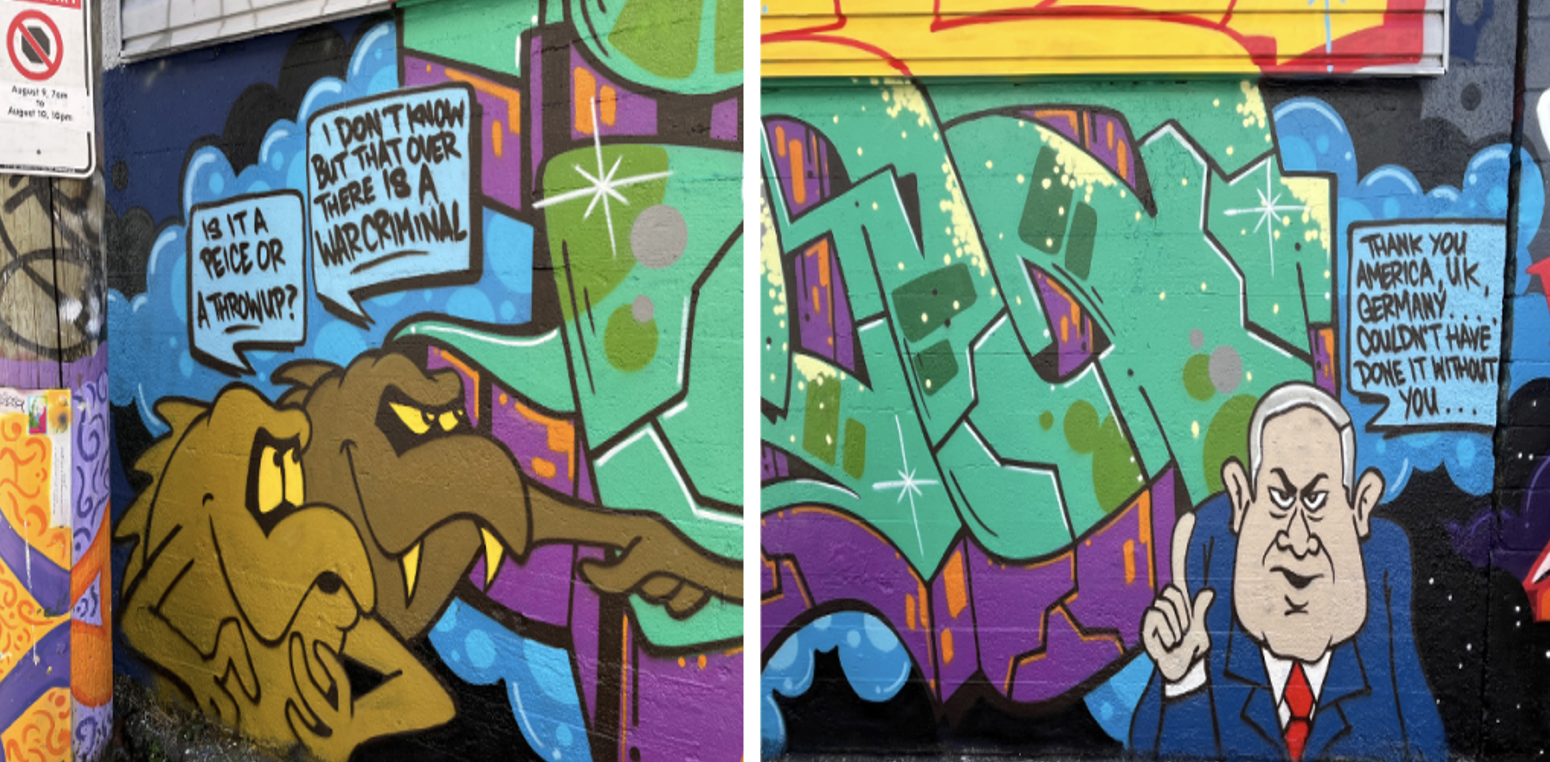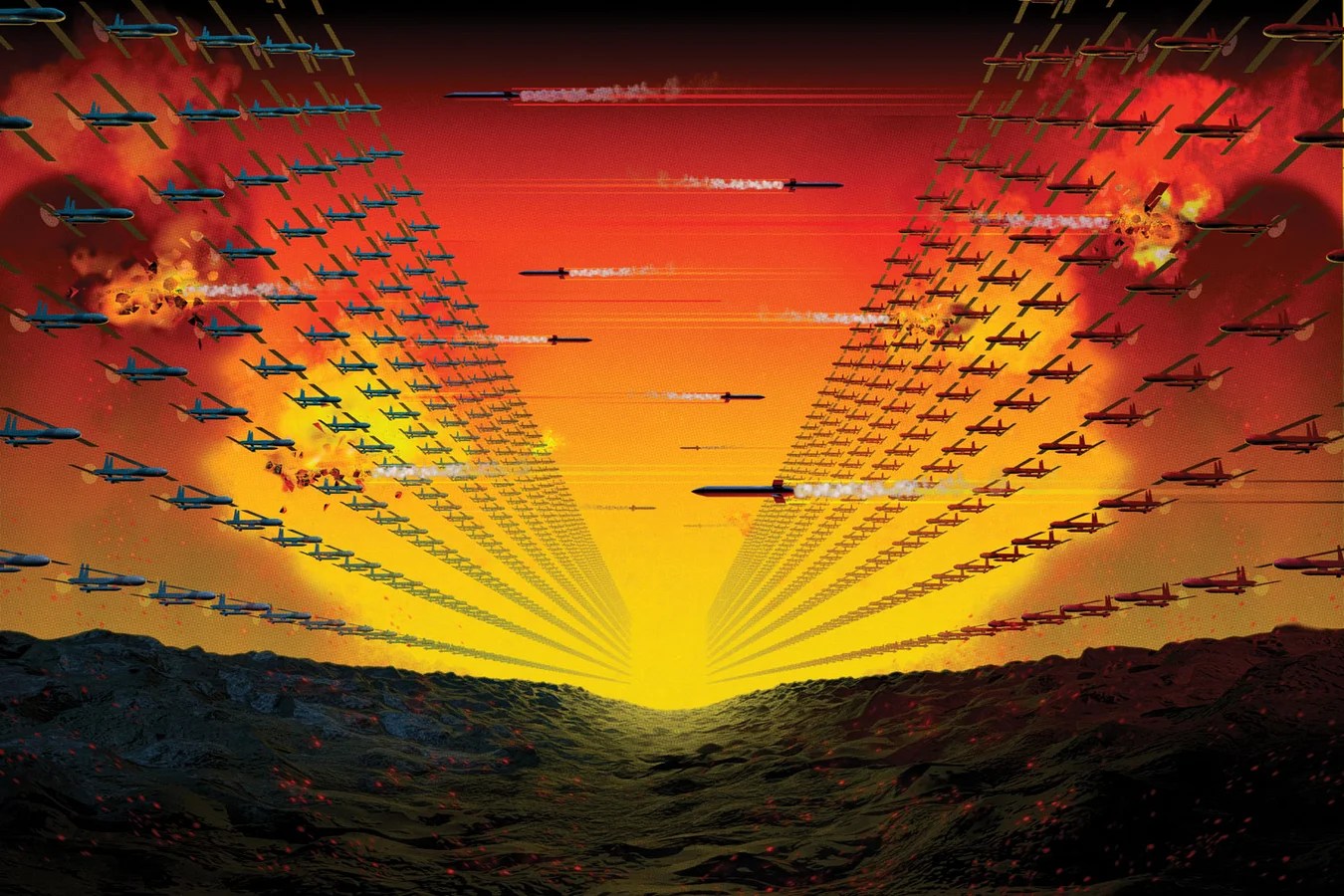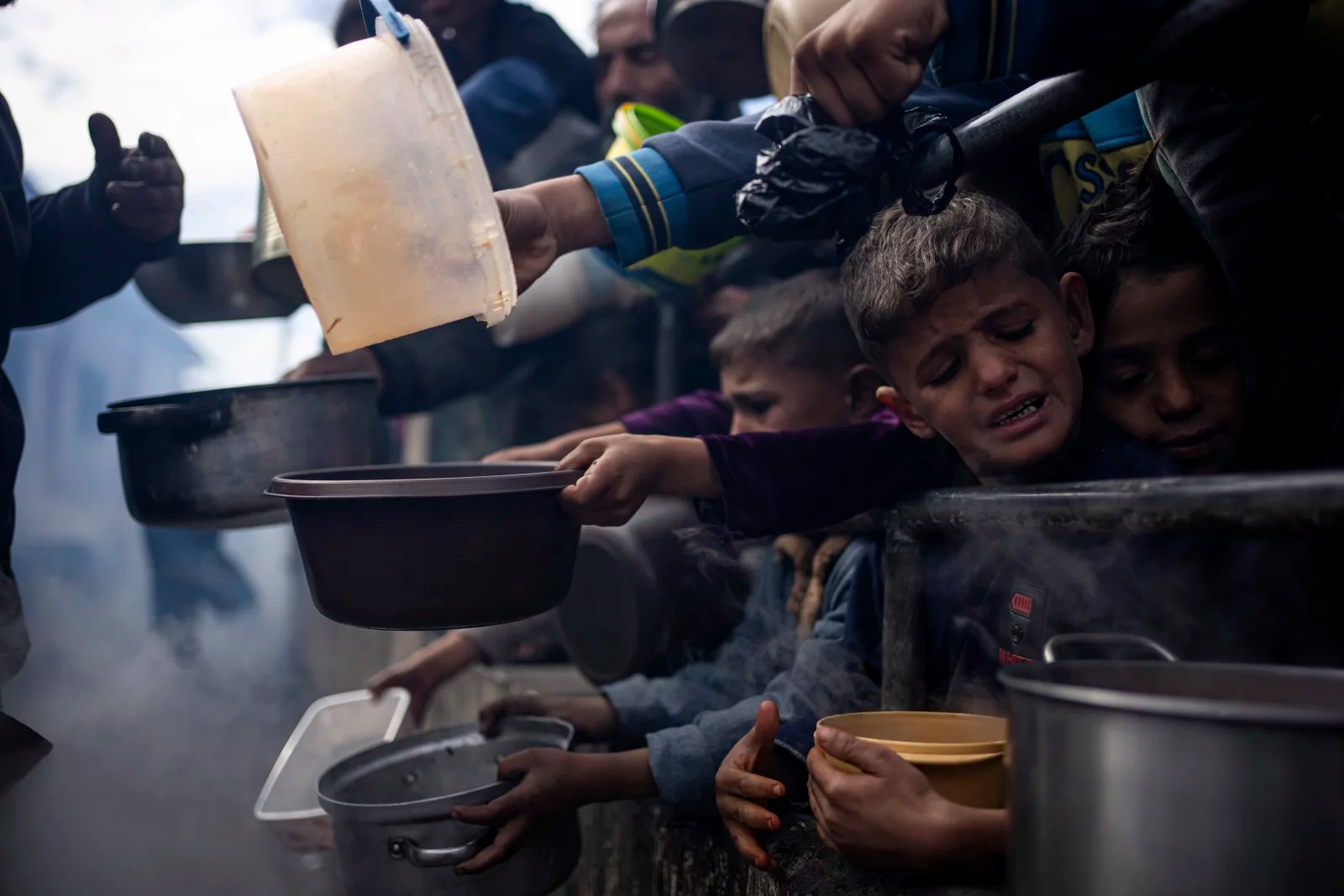
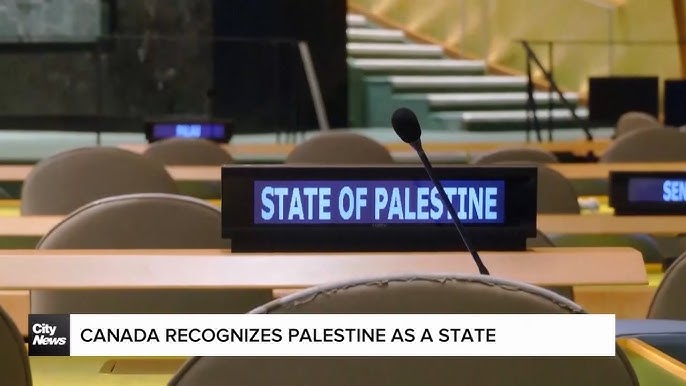
Amidst the atrocities, annexation efforts, and ignored warnings to stop both, it became impossible to defend the status quo. So, on 21 September 2025, Canada joined 150 other states – including erstwhile Israeli allies, France and the UK – that recognize Palestinian statehood. But what, if anything, will recognition change? On some issues, quite a bit. On others, not much. Ultimately, recognition alone cannot save Palestinian lives or end the war; only concerted and collective action can.
Canada has long insisted it supports a two-state solution. Yet it refused, until now, to actually recognize two states. Instead, it lent increasingly right-wing and anti-Palestinian governments in Israel and the United States an effective veto over Palestinian human rights, self-determination, and statehood. It has long been obvious – to advocates, states, Israelis, and Palestinians – that any proclaimed interest from Washington and Tel Aviv in working towards a two-state solution is not in good faith; it’s not kicking the can down the road, if you just kick it to the curb.
The Israeli government’s outright opposition to a prospect Palestinian state is finally obvious to Western authorities too. In announcing Canada’s recognition of Palestine, the Prime Minister’s Office accepted that “the current Israeli government is working methodically to prevent the prospect of a Palestinian state from ever being established…. It is now the avowed policy of the current Israeli government that there will be no Palestinian state.”
Recognition will have some impact inside Canada. Israel’s war on Gaza and its moves to annex the West Bank have played out in our political landscape and matter to Canadians. The government will be keenly aware of the consequences of recognizing Palestine within Canadian communities, including its electoral base. But what about the impact of recognition in the international arena and on Palestine itself?
Continue reading