Dear JiC readers,
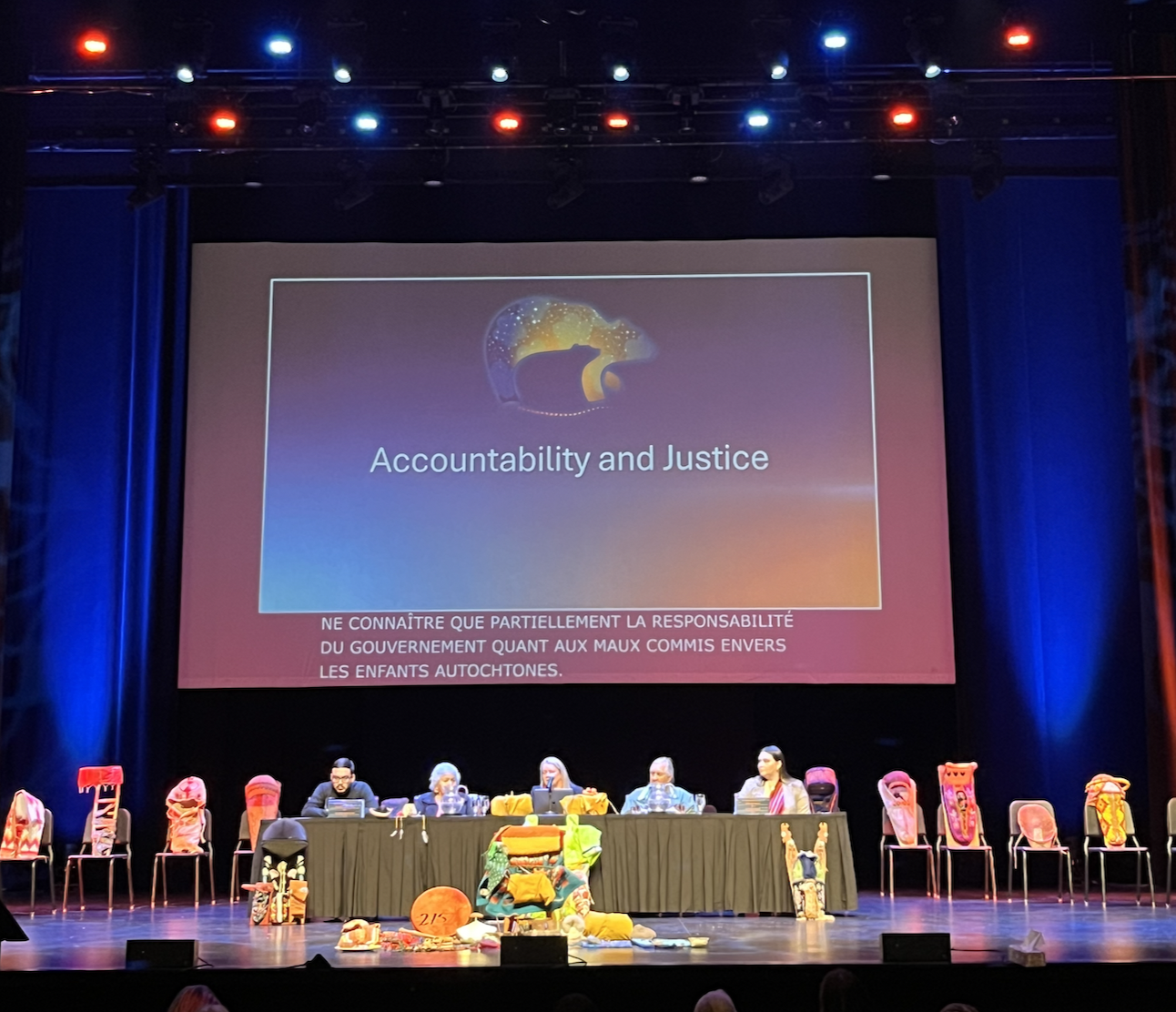
In late October 2024, The Office of the Independent Special Interlocutor for Missing Children and Unmarked Graves and Burial Sites associated with Indian Residential Schools released its final report and submitted it to the government of Canada.
As the title of the office suggests, the report by Special Interlocutor Kimberly Murray examines the abuses committed against Indigenous children in the Indian Residential School System, including through scientific experimentation, enforced disappearances, and other serious human rights violations and potential crimes against humanity. Among the report’s conclusions is that Canada has done more to protect perpetrators of atrocities against Indigenous children than the children themselves.
These harms will be known to many readers who have learned of the presence of thousands of unmarked burials across Canada as well as findings of genocide in Canada by the National Inquiry on Missing and Murdered Children as well as the House of Commons.
I was given the opportunity to work with the Office on this report from late 2022 until the Spring of 2024. My efforts focused on applying international human rights law and international criminal law to the abuses and horrors faced by Indigenous children. It also endeavoured to articulate how impunity in Canada is systemic and structural as the atrocities committed against Indigenous peoples, via the existence of “settler amnesty”. In the end, four chapters describe how international human rights law and international criminal law apply and help us to better understand the nature of the horrors committed through the Indian Residential School System:
- Chapter 2: The Enforced Disappearances of Children and Crimes Against Humanity
- Chapter 3: Unmarked Burials and Mass Graves
- Chapter 4: Experimentation and Other Atrocities Against Indigenous Children
- Chapter 5: Settler Amnesty and the Culture of Impunity in Canada
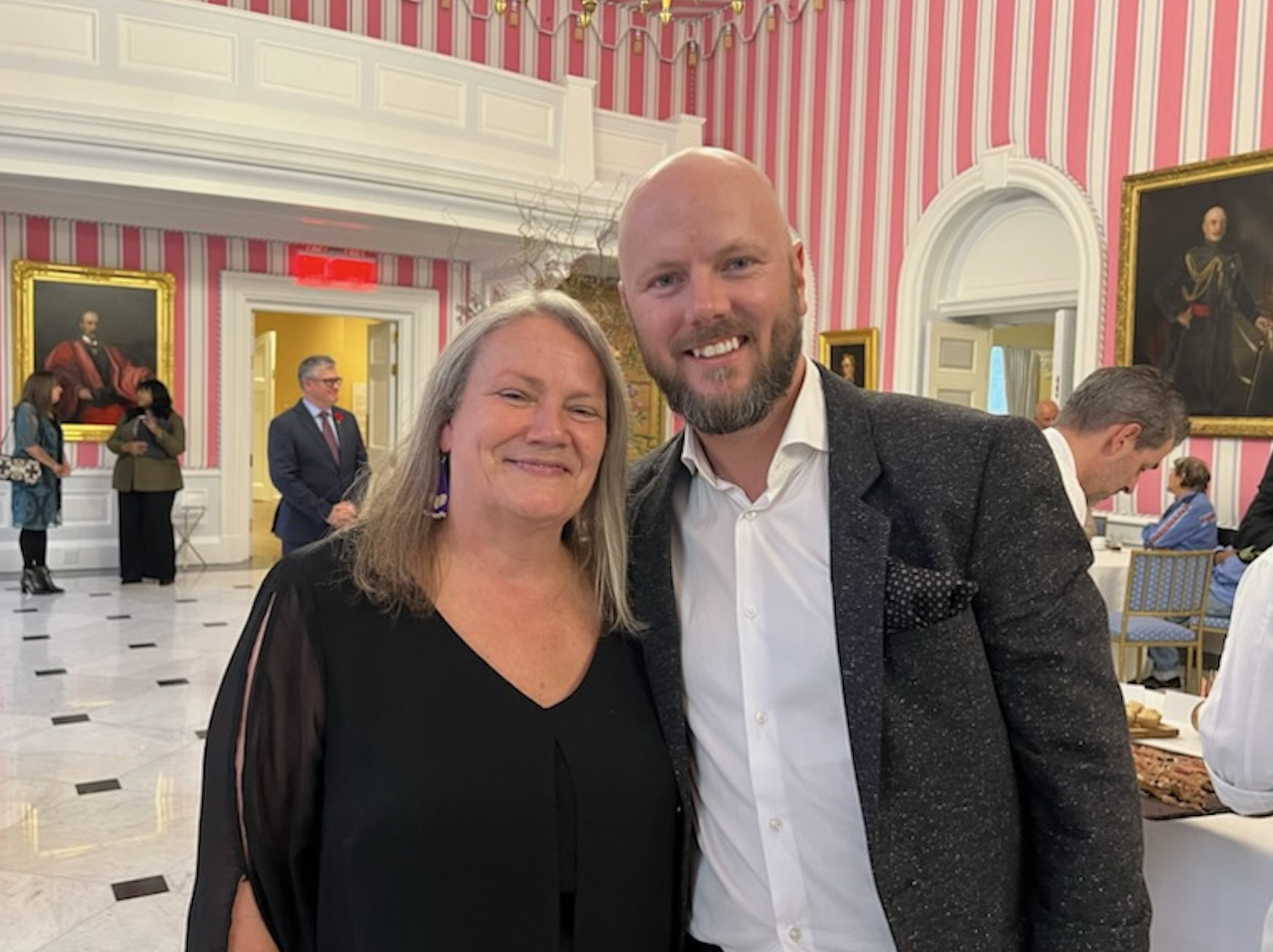
It has been the honour of my professional life thus far to do this work for the Special Interlocutor’s Office.
A very special thanks is owed to expert reviewers of the chapters, Amanda Ghahremani, Louise Mallinder, Grażyna Baranowska, Derek Congram, as well as to Aleja Espinosa for all of her support. Thank you all, from the bottom of my heart.
With report now out, I will be writing and publishing more on the subjects it covered in the coming weeks and months. In the meantime, I hope that the report, its legal analysis, and its conclusions in relation to both international human rights law and international criminal law will be of interest and relevance to readers engaging and working on similar themes.
Thank you, as always, for your readership!
Mark