The following is an open letter to Canadian PM Mark Carney, written (in both English and French) by 412 Canadian legal, human rights, social justice, international relations, diplomatic, civil society, faith and labour leaders from across the country. The letter was written by former Amnesty International Canada Secretary General Alex Neve, UN Special Rapporteur Leilani Farha, Professor Ardi Imseis, former UN Special Rapporteur and Professor Michael Lynk, Professor Heidi Matthews, and myself,
Open Letter to Prime Minister Carney on Gaza Crisis
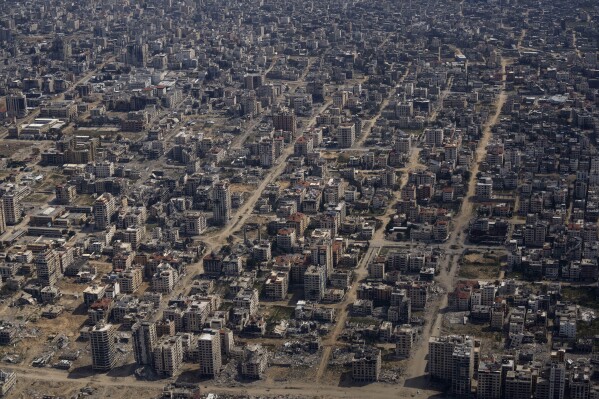
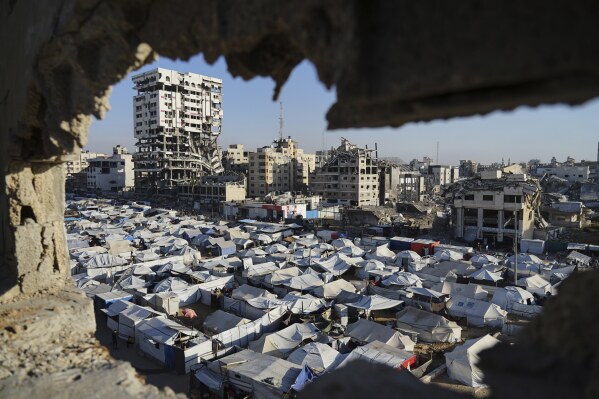
We write as a concerned group of 412 Canadians, including academics, lawyers, former and retired ambassadors (including to the United Nations), ministers and public servants, UN human rights experts, and civil society, labour and faith leaders, all deeply concerned with the catastrophic human rights and humanitarian crisis in Gaza, now into its twentieth month.
Israel’s actions in Gaza are broadly understood by international law experts and leading human rights organizations as constituting genocide. We write with the demand and expectation that Canada must do everything in its power to stop these atrocities and support efforts to bring those responsible to account. This is what our signatures on the 1948 Genocide Convention and the 1998 Rome Statute establishing the International Criminal Court demand.
We call for decisive action with respect to five priority recommendations:
- Work actively towards an immediate, permanent ceasefire and the release of all Israeli and Palestinian captives
- Insist on full humanitarian access to Gaza and demand that the Israeli ban on the UN Relief and Works Agency be completely lifted
- Publicly support the role of and fully comply with international courts in holding to account those who violate international law
- Pursue all possible domestic measures, including immediately withdrawing from the free trade agreement between Canada and Israel, imposing sanctions on Israeli leaders, initiating investigations under the Crimes Against Humanity and War Crimes Act, enforcing a full and comprehensive two-way arms embargo, and stripping charitable status from organizations found to be complici in crimes under international law
- Without further delay, join the 149 states who recognize the State of Palestine and support all efforts for Palestine to be admitted as a full member of the United Nations
We write with urgency as Prime Minister Carney will host the G7 Summit from June 15-17, which presents a crucial opportunity for concerted action by seven of the world’s most influential and powerful governments that must be seized.
Link to letter in English.
Link to letter in French.
Link to list of endorsements.
The text of the letter, in English and French, and the list of endorsements, follows.
Continue reading