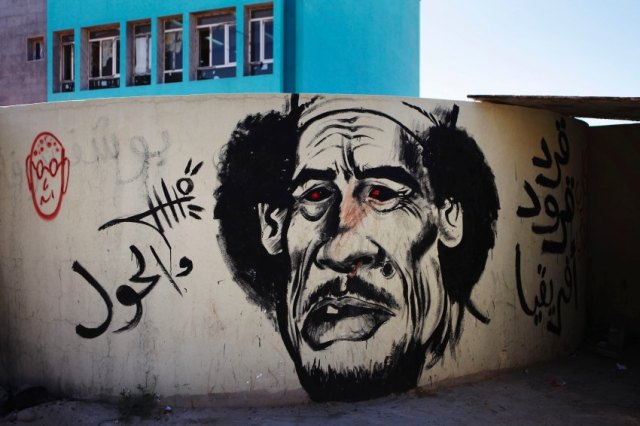
R2P and the ICC have both been invoked in Libya (Photo: Reuters)
Update: I have written an article on this subject which can be downloaded here. See here for an abstract. Comments and feedback are very much welcome!
****************************************
I have wondered for some time now about the relationship between the ICC and the Responsibility to Protect (R2P). The reason is pretty simple – prior to concentrating on the ICC during my masters studies, my academic focus and interests was on R2P. I felt that there was an affinity between the two concepts as well as important threads or narratives that linked them. No work that I know of has systematically examined the practical, political and ethical relationship between R2P and the ICC. This post represents an effort to try to wrestle with and illuminate the potential links between the two in practice, politics and ethics.
As many readers will know, the R2P doctrine asserts that the international community has the responsibility to intervene in a sovereign state if that state is unwilling or unable to prevent or stop genocide, war crimes, ethnic cleansing and crimes against humanity. As a concept, it was developed by the International Commission on Intervention and State Sovereignty (ICISS) in the wake of controversy over the humanitarian intervention in Kosovo and the question of whether a “right to intervene” existed. In 2005 with some modifications (tethering it to the UN Security Council, for example), R2P passed unanimously as a resolution at the UN’s General Assembly.
In 1998 the international community agreed to set up the ICC which subsequently came into being in 2002. The Court’s mission is to end impunity by holding individuals who are “most responsible” for war crimes, crimes against humanity, and genocide accountable. It currently has six states under official investigation and a handful of cases are being heard at its headquarters in the Hague, Netherlands.
The precise relationship between the ICC and R2P has rarely been made explicit or clear. In a recent discussion about the two concepts, Benjamin Schiff says that getting to the bottom of the relationship is “irritating”. Nevertheless, there seems to be an increasing recognition that these two concepts – typically considered separately – are, in fact, intimately linked.
Before looking at Schiff’s arguments of the practical relationship between the two concepts as well as mine on the political and ethical underpinnings of both R2P and the ICC, let’s consider some broader possible links.
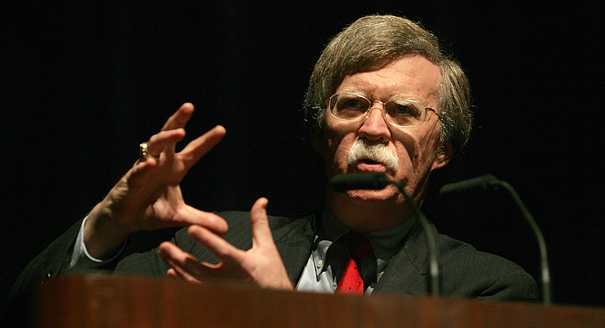
First, typically those groups and individuals who support ICC, support R2P and vice versa (see the Enough! Project, for example). Likewise, those who are suspicious of the ICC will almost surely be suspicious about R2P (we all know what John Bolton thinks!) Sure, context will determine when either is supported or not, but this suggests that there’s some subtext that bridges the ideas behind R2P and ICC.
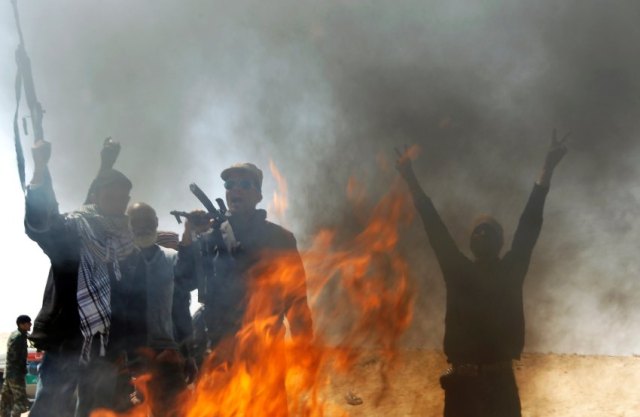
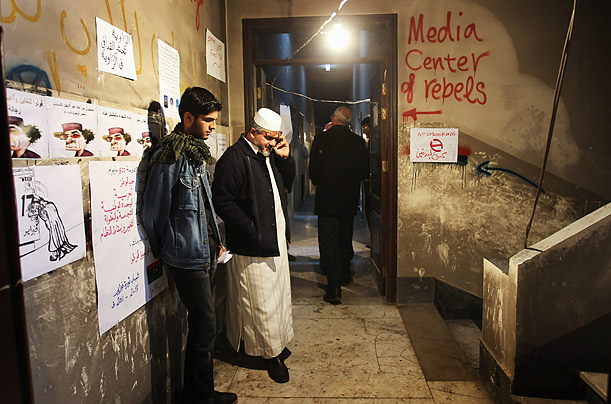
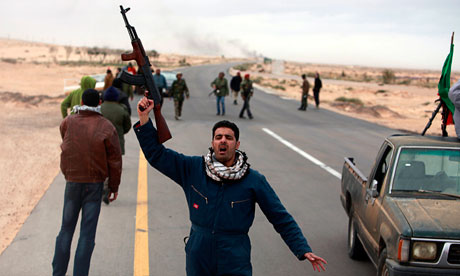
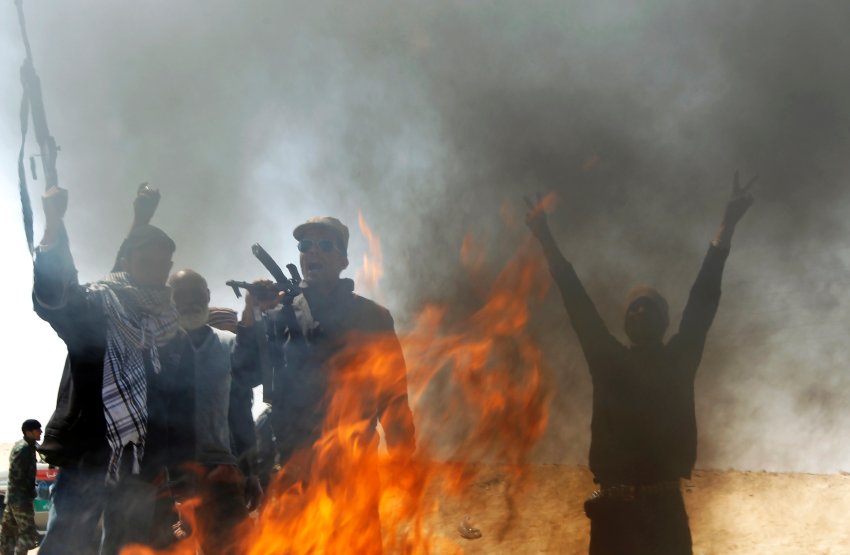
Rebel fighters in Benghazi. Where the language of R2P has been invoked the langauge of international criminal law has never been far behind (Photo: Reuters)
Second, while many consider R2P a doctrine of humanitarian military intervention, in actuality, it is much broader than that. It is a doctrine based on a continuum of responses along which legal action or the threat of legal action to stop or prevent atrocities has a place.
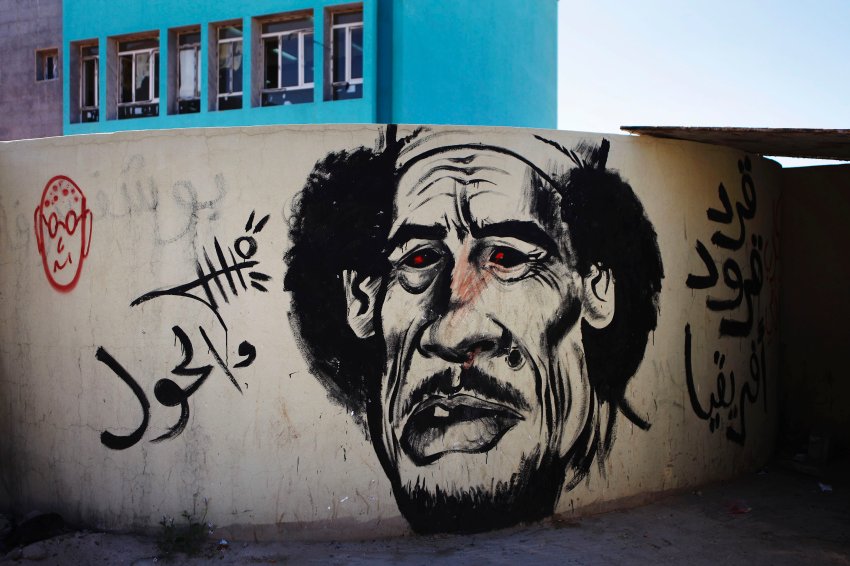
Third, when the rhetoric of R2P is invoked, the language of international criminal justice is rarely far behind. Libya is a case in point. The language of responsibility for protecting Libyan civilians paralleled the language of bringing Gaddafi to account for alleged crimes against humanity. Even when the language of R2P was not explicitly employed as in Resolution 1970 which referred the situation in Libya to the ICC, the basic tenets of R2P were at play. One observer remarked:
“R2P is not mentioned in the resolution [1970]: nonetheless, its flavour impregnates the decision. In referring the situation to the ICC, and thus sending a clear signal to unscrupulous leaders that their crimes will not go unpunished, the UN Security Council brings the responsibility to protect to the forefront of the battle to maintain international peace and security in the world.”
All of this suggests a proximity of the concepts and institutions of R2P and the ICC. But it doesn’t illustrate the nature or foundation of the proximity.
Schiff argues that there are numerous similarities between R2P and the ICC. Both are products of the 1990s but have genealogies which stretch back further into history. Each address similar governmental failures, namely the failure (or unwillingness) of governments to prevent atrocities. Both thus speak to the responsibilities that governments have to their citizens and imply that when governments fail or are unwilling to uphold those responsibilities, external interventions are warranted. Interestingly, with the exception of ethnic cleansing and aggression, R2P and the ICC also cover the same crimes – crimes against humanity, war crimes, and genocide. Both R2P and the ICC thus recognize the same acts as the most egregious crimes to commit against people and as justifications for intervention.
There are also important differences between the ICC and R2P. While the ICC is an institution, R2P lacks any institutional structure. Rather, R2P is a concept, perhaps even an emergent norm, that is embedded within the UN. In its current form it is subject to the political machinations of the UN Security Council. At the level of perception, R2P is clearly political whereas the ICC presumes itself to be apolitical, although the notion that the ICC can exist in a political vacuum has been increasingly challenged.

A Danish F-16 returning from a mission into Libya as part of the no-fly zone campaign (Photo: AP)
Schiff concludes by suggesting a potential practical relationship between R2P and the ICC. He argues that R2P can probably and sensibly use the Court, presumably as a part of the R2P continuum of interventionary options. However, the ICC, if it continues to view itself as apolitical, cannot invoke R2P. In practice then, Schiff argues that the relationship between R2P and the ICC is asymmetrical. Theoretically, R2P and the ICC, I would argue, are the progeny of the same liberal political and ethical projects.
Politically, the ICC and R2P are both elements of the liberal peace project. The liberal peace, in the most general sense, attempts to promote and construct peace in states emerging from violent political conflict and/or authoritarianism by adhering to a particular formula: democratization, liberal economic reforms, rule of law, and respect for human rights. At the heart of the liberal peace – which is promoted by global civil society, international institutions like the UN, as well as key Western states – is the notion that the formula can and should be applied universally; if all states were liberal, democratic polities, then the incidence of war could be dramatically reduced or even eliminated.
Continue reading →

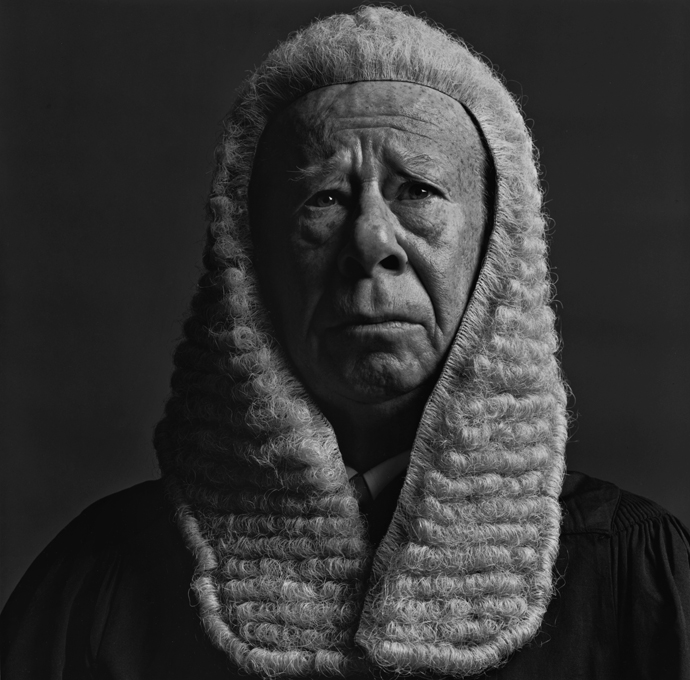 Kind of. Here’s the latest. According to Opinio Juris’ Twitter Account, next up the International Criminal Court will declare ‘Casual Fridays’. Nothing like practicing international criminal justice in a pair of slacks.







 Justice in Conflict