
The following guest post was written by Volodymyr Pylypenko. Volodymyr holds a PhD in Law and is an Associate Professor in the International Relations Department of Lviv University of Business and Law, Ukraine. His previous post for JiC, ‘The View from Ukraine: Why a New International Criminal Tribunal to Prosecute Russian Aggression is Needed’ is available here.
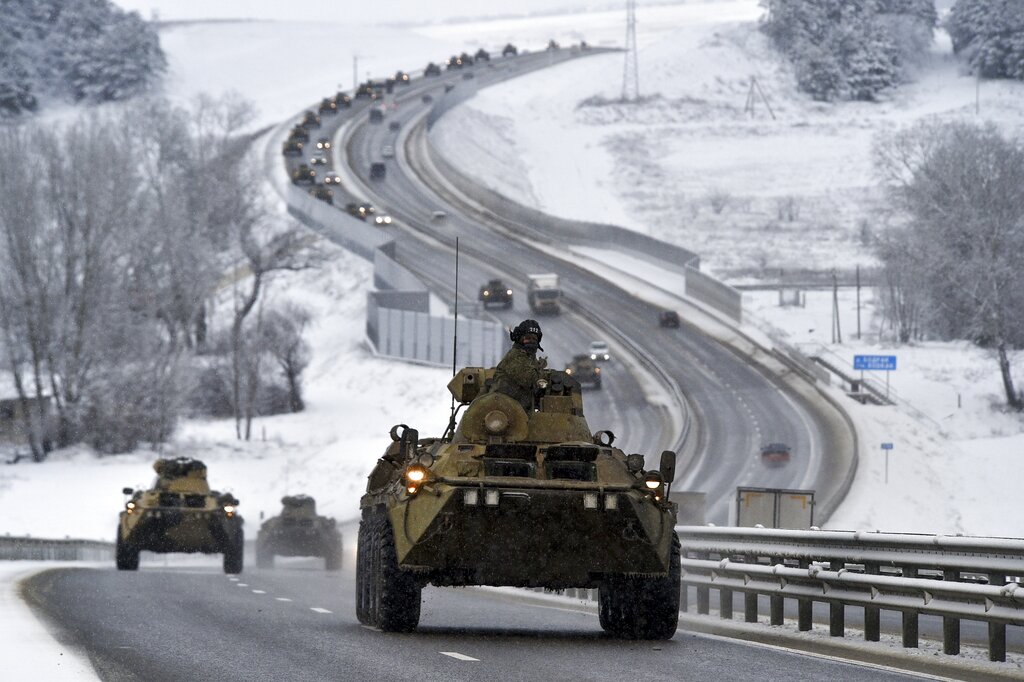
Modern international law knows several relevant precedents. International tribunals became effective tools to punish persons guilty of the most serious international crimes of the 20th century, including the crime of aggression. The International Military Tribunals in Nuremberg and Tokyo, which were established after the Second World War recognized in their verdicts the planning, preparation, initiation and/or the waging of an aggressive war as an international crime. Accordingly, an ad hoc international criminal tribunal (ICT), with the power to prosecute senior Russian officials with the planning, preparing, and waging of aggressive war in Ukraine is plausible and legitimate. That is also the view of states, including The Netherlands, Estonia, Latvia, and Lithuania, as well as some international organizations such as the European Union (EU) and the Counsel of Europe, which have discussed the need to create such a tribunal to punish Russian officials for the crime of aggression and other international crimes.
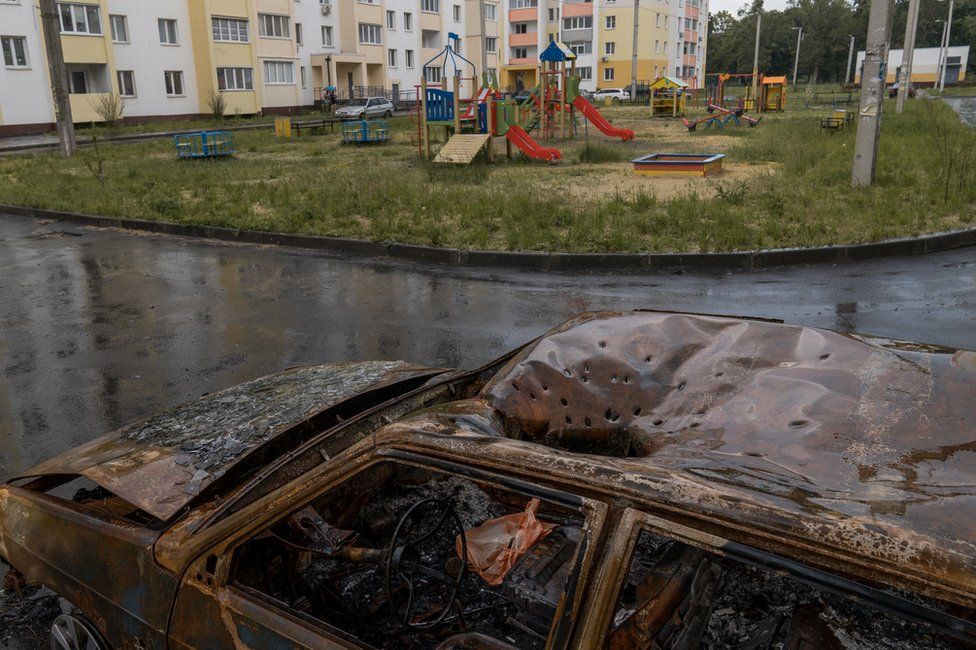
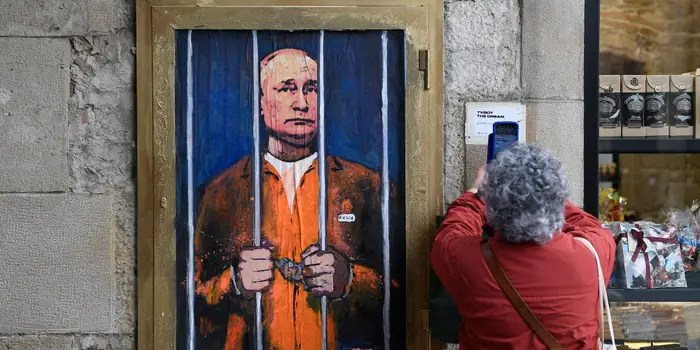
A week ago, the ICC issued an arrest warrants against Putin and Russian Commissioner of Children’s Rights, charging them for serious war crimes such as unlawful deportation of Ukrainian children. Other charges for war crimes in Ukraine are like to still appear while the ICC Prosecutor meticulously examines Russian atrocities in Ukraine. Meanwhile, the ICC does not have a jurisdiction to accuse Putin and hold him to account for the crime of aggression he committed against Ukraine. As I mentioned in my previous blog piece, I believe the establishment of a separate, international ad hoc tribunal is the best option to prosecute Russian aggression. In this blog I discuss possible options concerning the nature and the manner of establishing such a tribunal.
The sooner the main stakeholders agree on a unified strategy over the organization and functioning of this ICT and define a legal basis for its creation, the sooner accountability for aggression will follow. However, there are still some ‘pitfalls’ connected to the model of the future tribunal. In what follows, I briefly assess three possible options.
Creating a tribunal through treaty between the states
An ICT can be created on the basis of an international treaty between states. Ukraine, as the state that has directly suffered the damage caused by Russian aggression, should be a mandatory participant in such a treaty. Under the same treaty, the parties should approve the ICT’s Statute, which will determine its procedural and substantive elements. The best precedent for this mechanism is, in my view, the well-known Nuremberg Tribunal, which was established on the basis of an agreement between the USSR, the United States, Great Britain and France with 19 other countries joining afterwards.
Continue reading




 Justice in Conflict