
The following guest-post arguing for a special tribunal to prosecute Russian aggression in Ukraine was written by Volodymyr Pylypenko. Volodymyr holds a PhD in Law and is an Associate Professor in the International Relations Department of Lviv University of Business and Law, Ukraine.
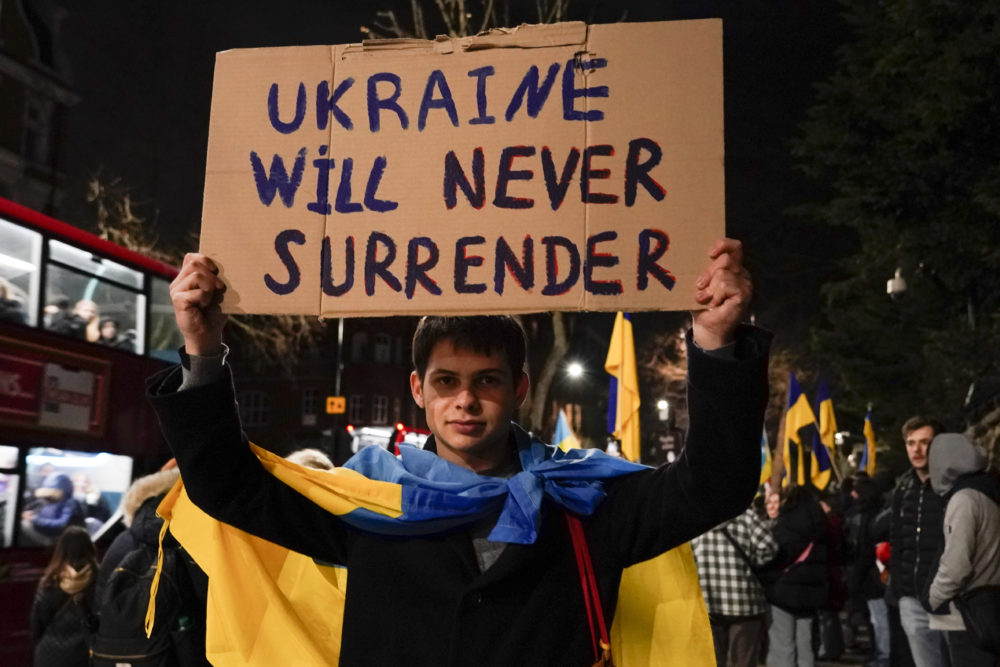
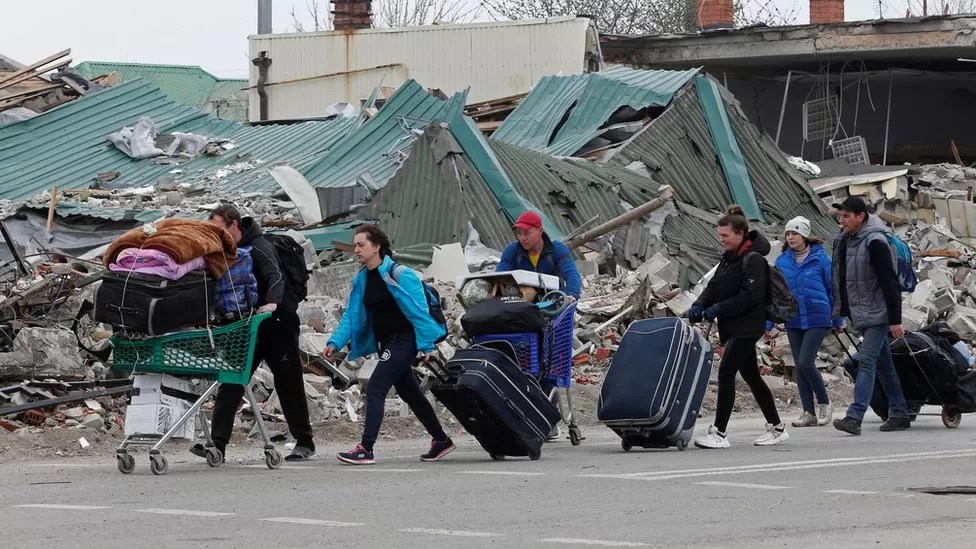
Since the beginning of the armed aggression unleashed by the Russian Federation against Ukraine, tens of thousands of Ukrainians have died or been deemed missing. Many towns and villages have been destroyed, and the state and civilians have suffered enormous material losses. Millions of Ukrainians have been forced to leave their homes. The consequences of Russian aggression, in all their cruelty and cynicism, are comparable to the horrors of the Second World War.
Russia’s aggressive war against Ukraine has been one of the most flagrant violations of Article 2(4) of the Charter of the United Nations (UN) since it entered into force. Shortly after the aggression started, the UN General Assembly voted in favour of a resolution demanding that Russian immediately stop offensive behaviour and withdraw its troops from Ukrainian territory. Ukraine and “most of the world’s nations” condemned Russia for planning and executing aggression.
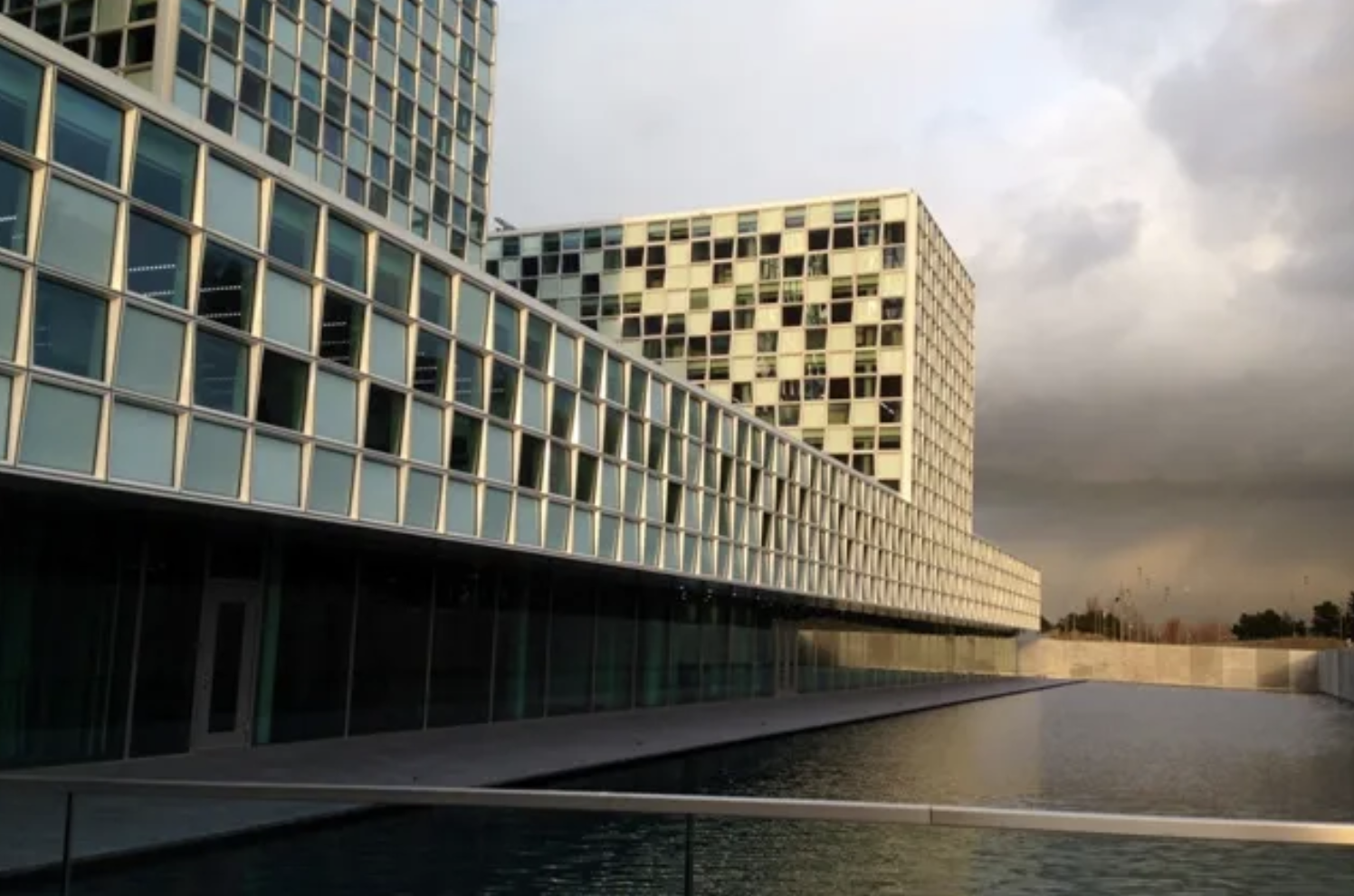
Following the invasion, millions of Ukrainians turned their eyes onto the International Criminal Court (ICC), as the only permanent body of international criminal justice with relevant powers. This court has jurisdiction over those most responsible for committing international crimes, including war crimes, crimes against humanity, genocide, and the crime of aggression.
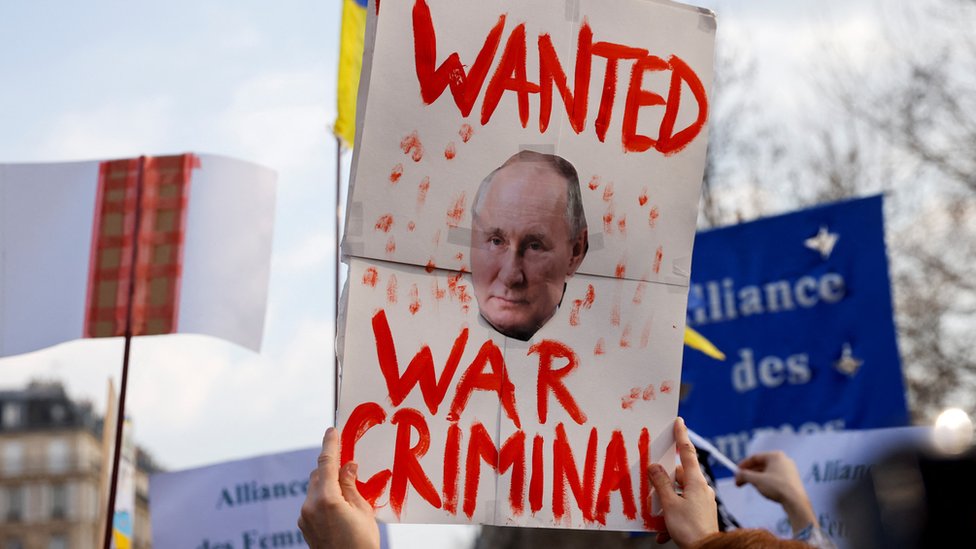
The ICC has mechanisms to bring to justice those guilty of the crime of aggression, and it gave the global community reasons to hope that Vladimir Putin and his supporters would be condemned for launching an aggressive war against Ukraine. However, that did not happen as expected. In reality, everything has been much more complicated.
Clause 2 of Article 8 bis of the ICC Statute provides that the actions specified in the UN General Assembly resolution 3314 (XXIX) of 14 December 1974, are the acts of aggression. However, Articles 15 bis and 15 ter of the Rome Statute, define the conditions for the ICC to exercise its jurisdiction over this crime. According to the rules of Article 15 bis, the Court may proceed with an investigation on the crime of aggression if the investigation is initiated by a State that has ratified the Statute (i.e., a state referral) or proprio motu if the Prosecutor of the ICC concludes that there is a reasonable basis to proceed with such investigation.
That same article also states that the ICC shall not exercise its jurisdiction over the crime of aggression and cannot proceed with an investigation with respect to a State that is not a party to the Rome Statute when the act of aggression was committed by that State’s nationals or on its territory.
Continue reading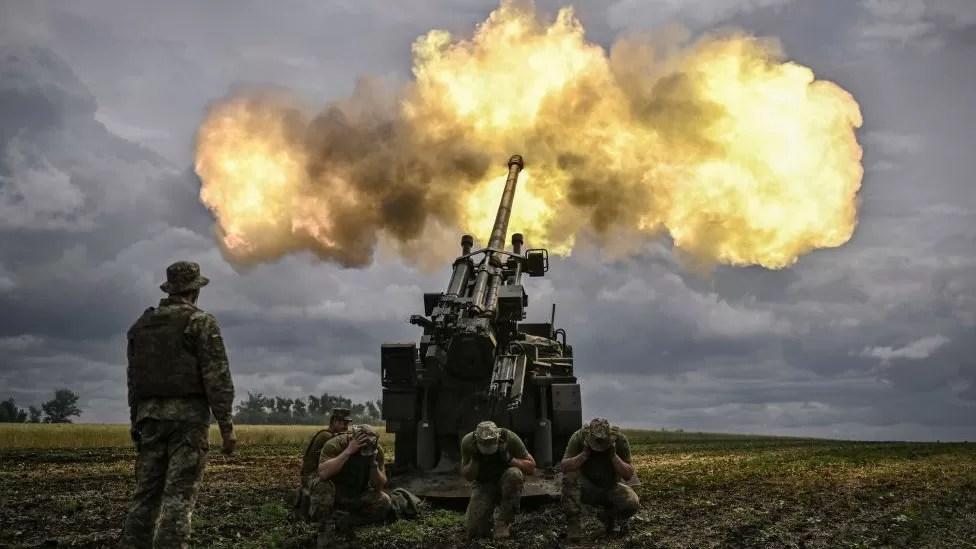



 Justice in Conflict