
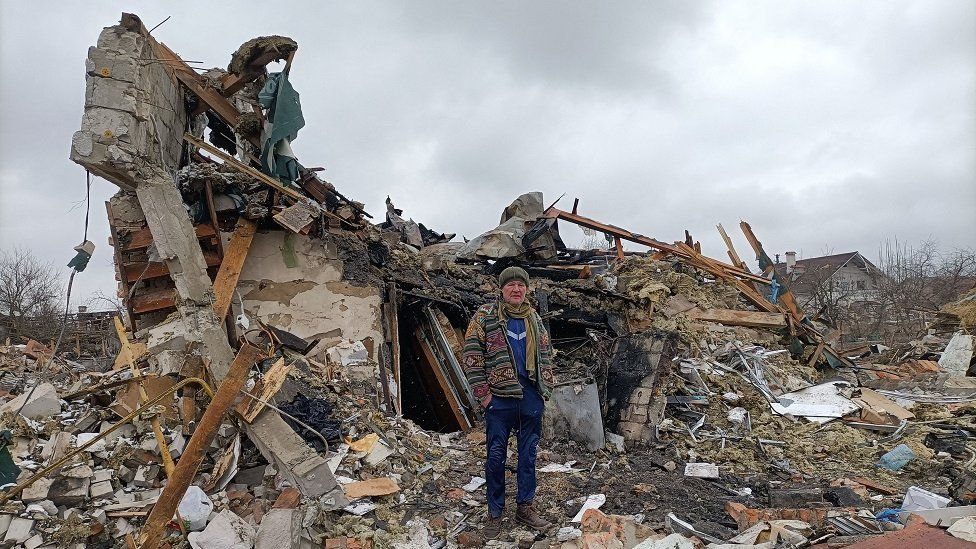
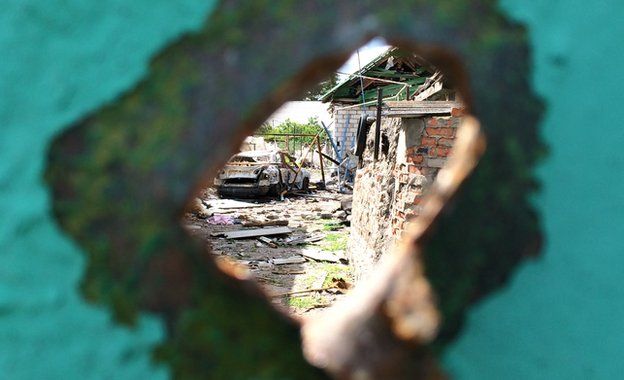
Canada has announced that it is sending a team of Royal Canadian Mounted Police (RCMP) officers to support the International Criminal Court (ICC) in its investigation into war crimes in Ukraine. The move is unprecedented. No Canadian government has ever sent or seconded such a team, not even for other investigations that the country has pushed the ICC to conduct. What does it mean for the investigation, for the ICC, and for Canada’s role in pursuing justice for international crimes?
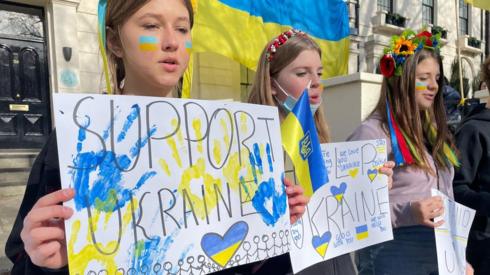
Earlier this month, forty-one-member states of the ICC, including Canada, referred the situation in Ukraine to the Court. It was a remarkable show of collective and symbolic support for an institution that only recently was battling severe and vindictive animosity from the U.S. over its investigation into alleged atrocities in Afghanistan.
In opening the Ukraine investigation, ICC chief Prosecutor Karim Khan asked for help and resources. A number of states followed through, with Canada now also jumping on board. On 28 March, Public Safety Minister Marco Mendicino announced that RCMP officers would be shipped out to support the ICC’s efforts. He stated that the Canadian team would assist in collecting and preserving evidence and interviewing witnesses.
Canada’s decision is a welcome one. The ICC is something of a cash-strapped institution. That is in part because states like Canada have insisted over the past decade that the Court’s budget should remain effectively frozen. This has frustrated advocates who lament that while these states ask the ICC to do work investigating international crimes, they don’t back it up with the resources required to undertake complex investigations. Placing money where its mouth is has not been Ottawa’s strong suit. In 2018, Canada joined a group of Latin American states in referring Venezuela to the ICC, but offered no money or investigators to conduct the investigation.
Many thus hope that Canada – and other states – are setting a precedent in bolstering their support of the ICC, not only in Ukraine, but in other situations of mass atrocities, like Myanmar, Afghanistan, and Palestine.
Continue reading



 Justice in Conflict