
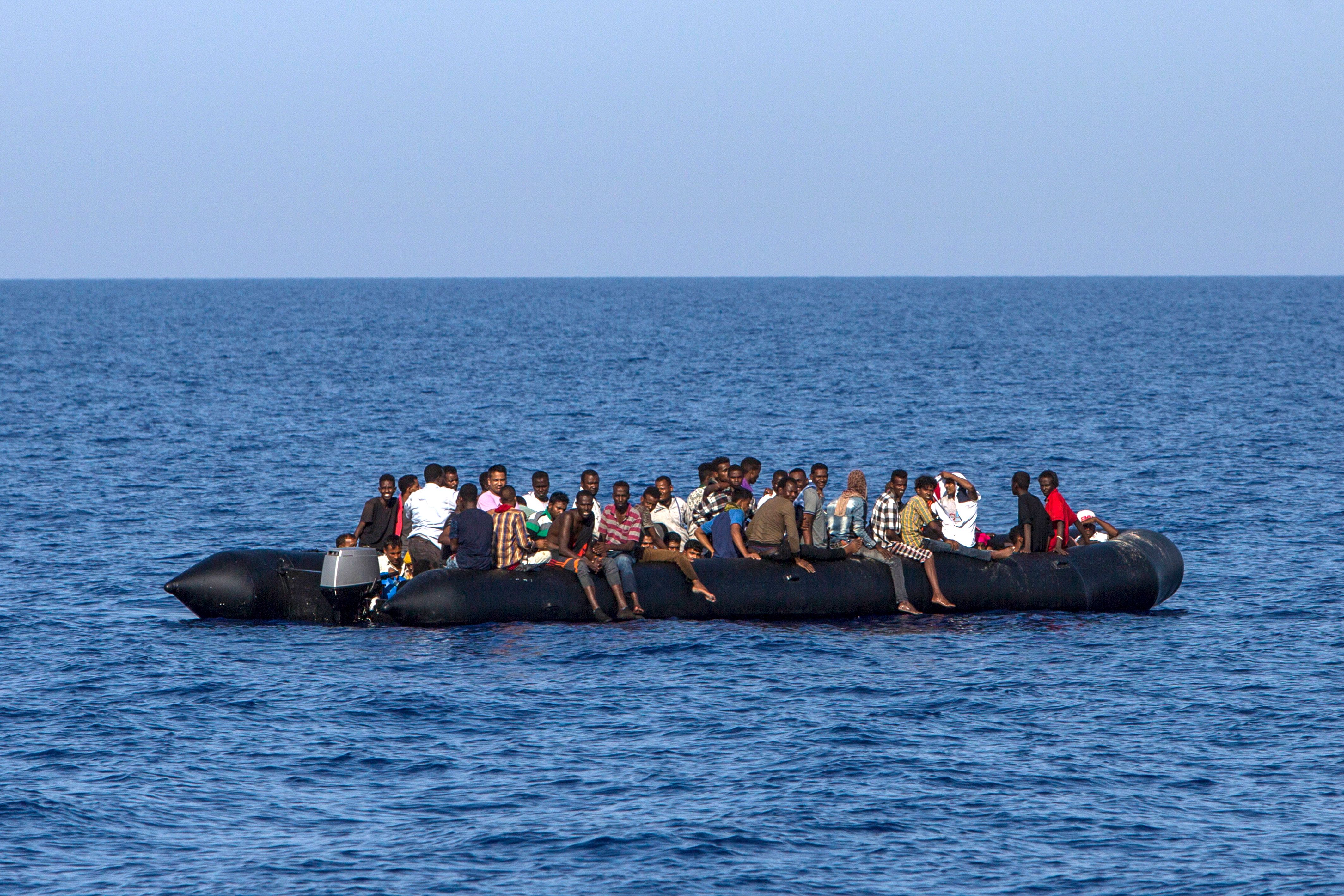
The scenes are all too familiar: migrants desperately clinging onto dilapidated dinghies as towering naval ships armed with heavy-duty guns encircle them. Some migrants make it to Europe. Many perish. Thousands are sent back each year to Libya. Back on shore, they are incarcerated in camps where they are vulnerable to sexual violence, torture, arbitrary detention, and human trafficking. Some try their luck on the Mediterranean again. The treacherous journey repeats.
Far from the scene of migrant drownings, the Prosecutor of the International Criminal Court (ICC) presented a familiar refrain at his bi-annual address to the United Nations Security Council on 24 November 2021,. Karim Khan lamented crimes perpetrated against migrants in Libya, calling them “troubling” and calling for accountability to “march alongside” global condemnations.
The Prosecutor’s remarks came in the wake of yet another report from human rights groups imploring the ICC to genuinely investigate atrocities committed against asylum seekers attempting to cross into Europe from the north African state. For years, the court has insisted it will investigate these crimes, only to dither and then re-state its interest in doing so before the Security Council. Enough is enough. It is time to hold accountable all actors involved in abuses against people on the move – including European states.
Atrocities against migrants: From Libya to Sudan to Libya again
Libya has played a critical but sordid role in helping Europe stave off unwanted asylum seekers. Throughout the 2000s, former Libyan dictator Muammar Gaddafi helped European states ensure people on the move would not use Libya as a launching point to cross the Mediterranean. Western states were happy with the arrangement and Gaddafi was rewarded for doing their dirty work.
In 2008, for example, Italy agreed to invest $5bn in Libya in exchange for its continued work in controlling African asylum seekers. Both sides were satisfied while people on the move lived in horrific conditions. In 2011, Gaddafi fell from power, in large part due to the intervention of those same states that had seen him as a partner in migration control. Following a Security Council referral of Libya to the ICC that same year, the court also issued an arrest warrant for Gaddafi, on allegations of war crimes and crimes against humanity.
Continue reading






 Justice in Conflict