Victor Peskin joins JiC for this guest post on the upcoming United Nations General Assembly. Victor is an Associate Professor in the School of Politics & Global Studies at Arizona State University and a Senior Research Fellow at the UC Berkeley Human Rights Center, University of California, Berkeley.
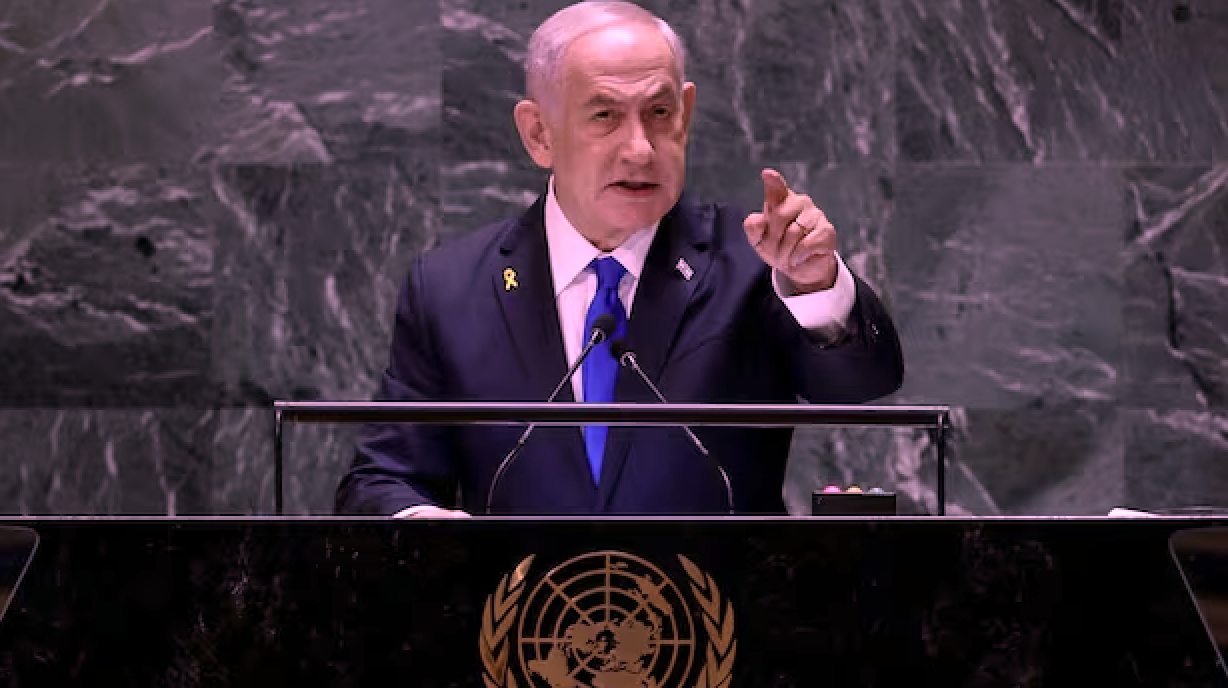
Next week, state representatives from around the world will mark the 80th anniversary of the United Nations Charter during the annual meeting of the UN General Assembly. The conclave of global leaders will also make headlines for (at least) two other reasons. The event marks the first time a head of state facing an international arrest warrant for atrocity crimes takes the podium in the General Assembly Hall. The September meeting also present the first time the United States has denied another head of state—and that state’s entire travelling diplomatic delegation—the right, under the UN Headquarters Agreement, to ascend the same podium by refusing to issue visas to travel to New York.
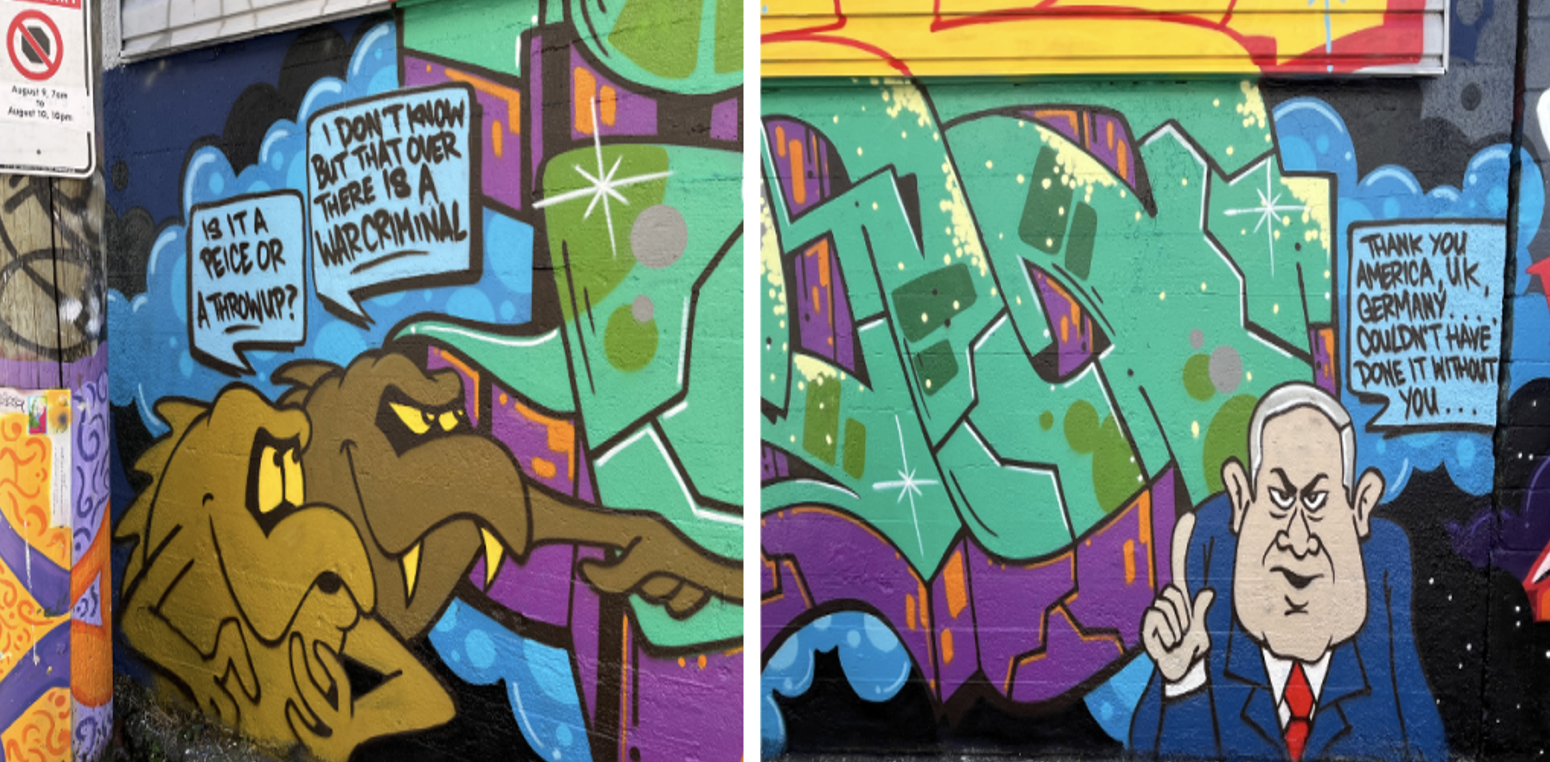
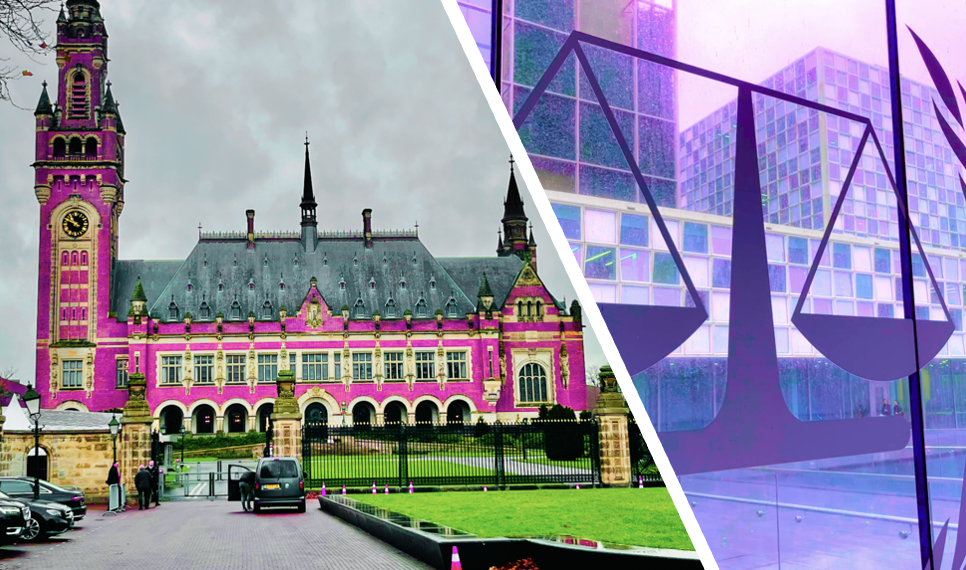
Therein lies an unprecedented forthcoming split screen moment. Israeli Prime Minister Benjamin Netanyahu—who faces an International Criminal Court arrest warrant on charges of committing war crimes and crimes against humanity in the ongoing Gaza war—will make use of the international megaphone granted to all heads of state during the annual General Assembly gathering. But his political adversary, Mahmoud Abbas, the moderate Palestinian Authority president in charge of administrating parts of the West Bank—and who had long pushed for an ICC investigation of the Israeli leader—will remain stuck back home in Ramallah, relegated to addressing the UN by Zoom.
The 27-member states of the European Union have called on the U.S. to rescind its decision barring Abbas and some 80 other Palestinian officials from visiting UN headquarters. French President Emmanuel Macron—who is poised, along with Canada, Australia, and Britain, to recognize Palestinian statehood at a 22 September conference about a two-state solution—has denounced the Trump administration’s efforts to bar Abbas’ entry to the U.S. as “unacceptable.”Meanwhile, Abbas has launched a diplomatic blitz in the hopes U.S. Secretary of State Marco Rubio will reverse the visa ban. It remains possible that the one-day conference and the General Assembly meeting itself could be moved to Geneva, as occurred in 1988 after the U.S. denied a visa to Palestinian Liberation Organization Chairman Yasser Arafat. Switching the venue might be more likely if, as The Guardian speculates, the Trump administration also uses anti-terrorist laws to bar representatives from Iran, Sudan, Brazil, and Zimbabwe from travelling to New York.
Continue reading