
Linda Bore is an Advocate of the High Court of Kenya with over 16 years experience in international humanitarian law, human rights law and international criminal law. She is a Legal Adviser at the Wayamo Foundation where she coordinates a project on the documentation of international crimes in Sudan.
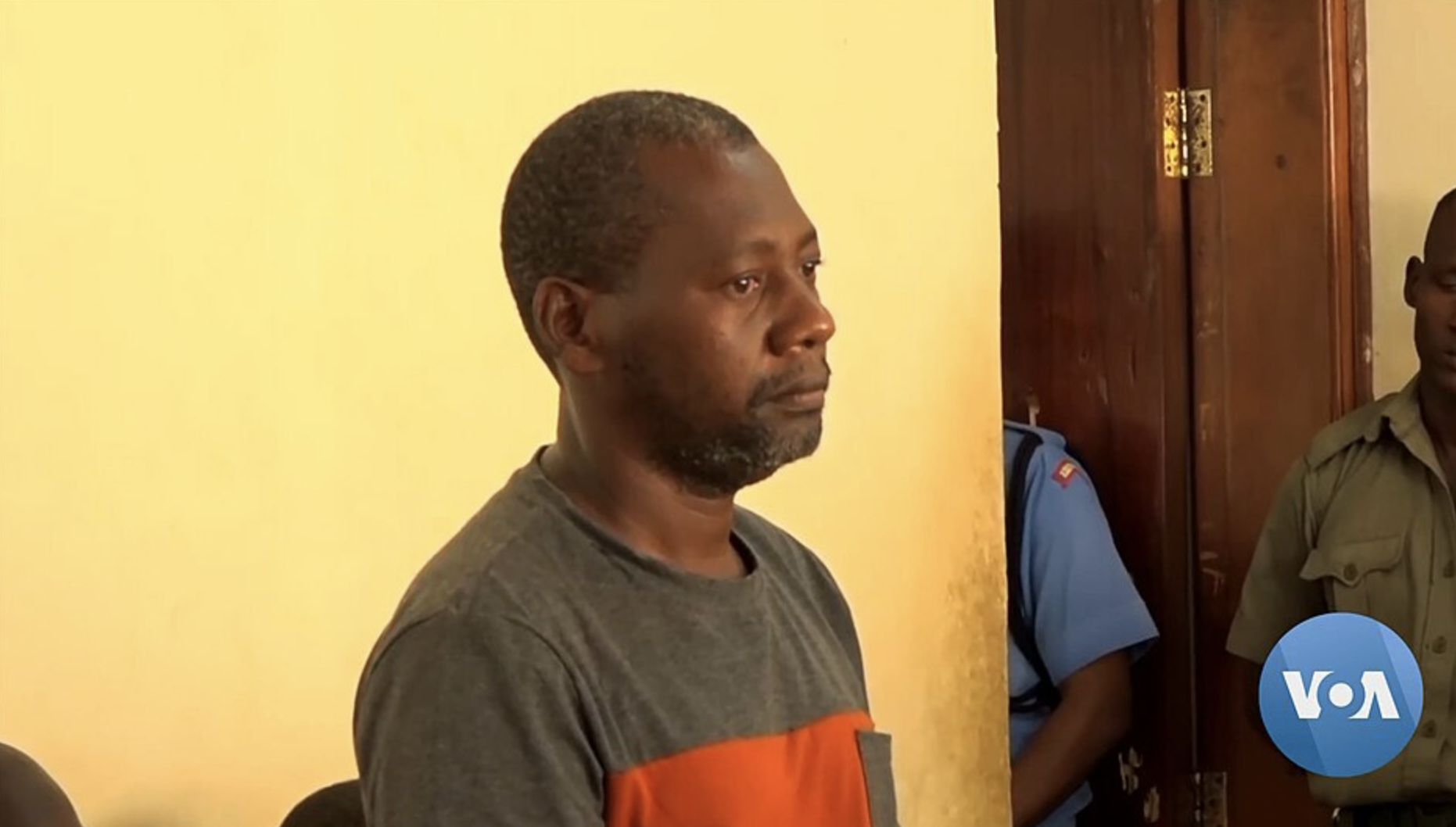
On 17 March 2023, Humphrey Ngono walked into a police station in Malindi, Kenya and reported that children were being starved in a nearby forest. What followed was a multi-agency investigation which unearthed hundreds of shallow graves at the Chakama Ranch in Shakahola Forest, Kilifi County, Kenya. Three years later, on 19 October 2026, Justice Diana Kavedza-Mochache pronounced judgement in “the most significant criminal trial in Kenya’s history”: the case of Republic v Paul Nthenge Mackenzie and 30 others, (Criminal Case No. E003 of 2024). She found the 31 accused guilty of murdering 190 children and one adult between January 2021 and September 2023, contrary to Section 203 and 204 of Kenya’s Penal Code.
The first accused person in the case, Paul Mackenzie, was the lead pastor of Good News International (GNI) Ministries, registered with the Kenyan authorities in 2010. The church was headquartered in Malindi and had over 30 other branches in Kenya. It also owned a dedicated TV station, which broadcast the church’s teachings to even more faithful and potential followers, as well as a dedicated YouTube channel.
The prosecution presented evidence that established that the church propagated extremist beliefs and radicalised its followers using six pillars that fit the description of a doomsday cult. The first three pillars denounced formal education, forbidding members from taking their children to school and accessing the formal healthcare system or medication. Members were encouraged to shun all government services including identification documents. Engaging in these acts was described as acting in direct opposition to God. In this way, GNI Ministries ensured that members removed themselves from the reach of institutions that may have noticed what was happening to them.
The next three pillars focused on making the followers believe they were chosen by God. They were encouraged to isolate themselves from the worldly and the corrupt, and to sever ties with family. They were also directed to make their way to the “wilderness”, the place prepared for them by God in Shakahola Forest, with many selling their properties and possessions and buying plots of land in the Chakama Ranch, in Kilifi County on the coast of eastern Kenya. Once inside the ranch, parents were made to subvert their parental instinct, and a fasting regimen was forced on all members to hasten their “return to Jesus.” A hierarchy was to be followed in the imposition of the regimen, with food and water withheld from children first, followed by youth, women, men and lastly Paul Mackenzie and his family. A team of enforcers was put in place by the cult leadership, with those found to be resistant subjected to threats, beatings and confinement.
Characterisation of the Crimes by the Director of Public Prosecutions in Kenya
The investigation into the crimes was a long and painstaking process. The prosecution relied on 120 witnesses, including victims who survived the events at Shakahola, as well as expert witnesses who submitted forensic evidence on the state of the bodies found in the forest, samples from exhumed bodies, and the causes of death. Photographic and video evidence was also submitted, some of which was used to establish the radical nature of Mackenzie’s teachings. A mapping of the site at Shakahola was also done by the Survey of Kenya, with the findings submitted into evidence.
The investigation unearthed the deaths of over 400 people in the forest, many of them children, with post-mortem results establishing that victims died from starvation, asphyxiation, strangulation and traumatic head injuries. The cause of death of many victims could not be established due to the severe decomposition of the bodies, which had been placed in shallow graves, exposing them to the elements and hastening their decay.
Given the egregious nature of the crimes committed at Shakahola, the case presented the Office of the Director of Public Prosecutions (ODPP) with the possibility of testing Kenya’s International Crimes Act (ICA), which came into force in 2009. The Act domesticates the Rome Statute of the International Criminal Court, which Kenya is a signatory to, and codifies crimes against humanity, war crimes and the crime of genocide into Kenyan law. The law also allows Kenya to try cases under the universal jurisdiction regime, where a potential perpetrator who may have committed international crimes in another country is found to be in Kenya.
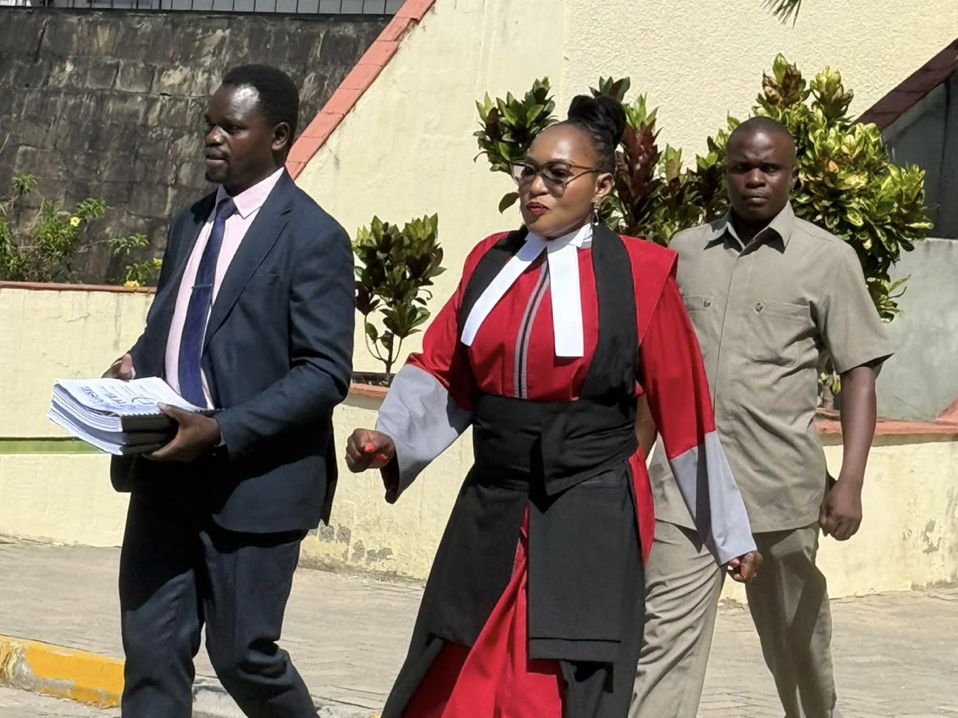
In 2024, the ODPP instead proffered 191 murder charges under the Penal Code against the 31 accused persons. This was the first time in Kenya’s history that so many murder charges had been filed in one case, with the reading of the charge sheet alone taking a lengthy time in court. The defence immediately filed a preliminary objection, arguing that the charge sheet was defective as it was “overloaded” with too many counts. They further argued that it was oppressive to charge the accused with 191 counts of murder, as this would lead to inordinate delays in holding the trial and violate the accused’s right to a fair hearing.
The presiding judge, Justice Mumbi Thande partly agreed with the defence and upheld the overloading argument, directing the prosecution to reduce the number of charges. The prosecution appealed this decision. In April 2025, the Court of Appeal agreed with their position and reinstated the 191 murder charges against the accused, thus allowing the case to proceed in its original form.
The case for crimes against humanity
In her judgement, Justice Diana Kavedza-Mochache found each of the accused persons guilty of 191 counts of murder, finding that the elements of the crime under the Penal Code had been satisfied. She also went a step further and expressed the view that the facts of the case disclosed a course of conduct constituting crimes against humanity. In doing so, Justice Kavedza-Mochache was careful to clarify that she was not trespassing on the independence of the ODPP to frame and alter charges under Article 157 (6) (a) of the Constitution. She grounded this in the Court of Appeal decision in Republic v Mackenzie and 30 others (2025), cited above, which in her reading “precluded the Court from giving directions to the ODPP on how to frame charges, but did not preclude it from stating its view of the legal characterisation of conduct which has been put before it.” Stating that view, she said, was an ordinary judicial function.
In a long running section of the judgment, written in obiter, she elaborated that the chapeau elements of crimes against humanity, of a widespread or systematic attack against a civilian population, with knowledge of the attack, as well as the constitutive acts that were borne out from the conduct of the accused persons, which included murder, extermination, torture, and severe deprivation of physical liberty had been met. She relied on Article 6 of Kenya’s ICA, read together with Article 7 of the Rome Statute, which is incorporated into Kenya’s law, as well as jurisprudence from international courts and tribunals to make this finding.
The Court found that there was an attack within the definition of Article 6(4) of the ICA and Article 7 of the Rome Statute. It found that the deaths of the victims at Shakahola, which were attributed to starvation, strangulation, asphyxia, coupled with beatings and isolation of victims was not merely random and coincidental but constituted an observable series of acts designed to achieve a particular purpose.
Judge Kavedza-Mochache noted there was an organised system at the ranch, which had established 12 villages, managed by 12 elders. This regime facilitated the enforcement of Mackenzie’s fasting directive, with a campaign of violence, coercion, confinement and isolation meted upon the followers who resisted. Armed guards were stationed at the perimeter of the ranch and trapped followers inside. There was a systematic handling of the deaths that resulted from the fasting or violence, which involved burying the remains in shallow graves, followed by exhumation and reburial.
Kavedza-Mochache established the element of knowledge of the attack, as the accused were aware that the commission of such acts would directly result in death. She also found that the individuals who lived in Shakahola were part of a civilian population and were neither engaged in armed conflict nor constituted a military or combatant force.
While her findings on crimes against humanity against the accused are considered obiter and therefore not legally binding, her well elaborated reasoning provides a strong indication of how the Court would have ruled, had crimes against humanity charges been filed by the ODPP against the accused.
Conclusion
The decision by Justice Kavedza-Mochache marks a milestone in Kenya’s engagement with international crimes and begins to fill a gap in domestic jurisprudence. Even though the ICA is close to 18 years old, the law is yet to be properly tested in Kenya’s courts. The Baby Pendo case filed in 2022 was the first in the country’s history to issue crimes against humanity charges against senior commanders in the Kenya Police Force for deaths of civilians, including a baby during the 2017 post-election violence. This case has since been winding slowly through the courts.
In a second separate case filed in 2025, the DPP charged Pastor Paul Mackenzie and other associates with crimes against humanity over crimes that bear a striking resemblance to those at Shakahola. Over 30 bodies were exhumed in 2025 from shallow graves by authorities in Kwa Binzaro Forest, also in Kilifi County, Kenya. The trial is ongoing and will hopefully contribute to the growing jurisprudence on crimes against humanity. The case also reflects the ODPP’s growing interest in making use of the ICA, which allows crimes such as these to be charged in a way that more fully captures their gravity and character.
The Shakahola judgement and Justice Kavedza-Mochache’s reasoning comes at a timely moment and provides a strong foundation for Kenya’s growing leadership on international criminal law in the region. Over time, the principles developed in this judgement may help guide how Kenyan courts approach international crimes in the future, including potential universal jurisdiction cases.


