
This is the second piece by Andrew Jillions on Kenya’s decision to invade Somalia. Check out Andrew’s first post here. Enjoy!
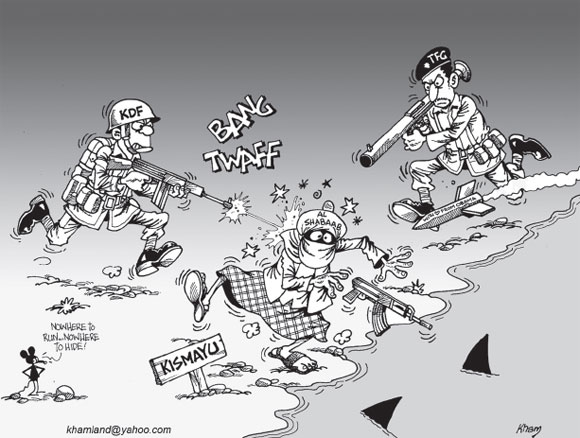 What are the implications behind Kenya’s decision to wage a war of enforcement instead of a humanitarian war?
Mary Ellen O’Connell has suggested that the issue of targeted killings and counter-terrorism raises a straight choice between observing peacetime law or the law of armed conflict.
International law, she argues, has clear enough rules on the circumstances in which one or the other framework applies. This is important: it provides a level of protection against state subjectivity, against the possibility of states playing with the rules to suit their own political purposes. That international law can ensure states make the right choice speaks to the independent power of international law against the attempts by policy makers to turn law into a reflection of power.
In more immediate and practical terms choice matters because it determines how extensive a state’s obligations will be. Choosing to apply, say, the law of armed conflict instead of human rights law will have a dramatic effect on determining the legality of detention and fair trial practices. The flip side of this is that by presenting an action or technology (e.g. nuclear weapons, drones and cyberwar, etc.) as in some substantive way ‘new’ and ungovernable under the existing framework can potentially beg the question about which law to apply.
This, at any rate, is one way to sketch the narrative of why ‘non-state armed groups’ have caused so many headaches for international lawyers trying to reign in the powers claimed by the US in the “war on terror”. There was a background ambiguity about which rules applied, an ambiguity that the US could exploit to co-opt law to their subjective agenda.
I’d suggest that there is something similar going on in Kenya, a narrative of choice that has implications for the practice of humanitarian intervention.
Saving citizens; ignoring strangers
Instead of talking about the humanitarian crisis, Kenya has ignored it. Al-Shabaab are by turns an international criminal organization and a threat to Kenya’s internal and border security. The law on the use of force – Article 51 – is the body of law they point to, although as I’ve suggested the reference to ‘hot pursuit’ makes the counter-terrorism enforcement framework a more likely candidate.
The name they’ve chosen for the operation is Linda Nchi, which translates as ‘protect the country’ in Swahili. On listening to the way Kenyan officials talk about the intervention there is no doubt which country the action is intended to protect. You could be forgiven for thinking that the great evils al-Shabaab have perpetrated are: radicalizing Kenyan nationals, secreting themselves amongst genuine refugees, attacks on border posts and assorted military and security personnel, kidnapping Western tourists and aid workers, and endangering the tourism industry . . . as many as nine separate incidents in all!
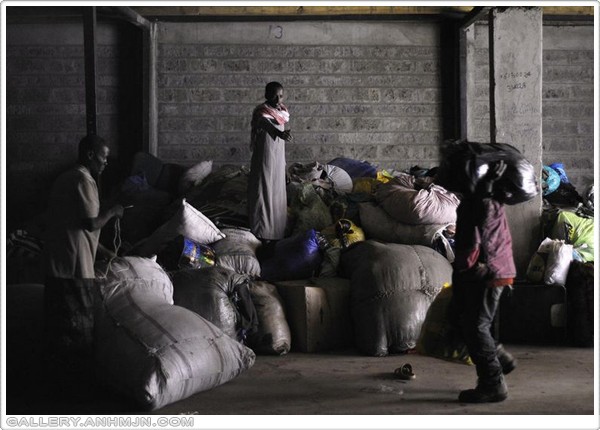
(Photo: AFP / Tony KARUMBA)
But what about al-Shabaab’s responsibility for famine crimes, war crimes and crimes against humanity? Perhaps the Kenyan government doesn’t think it is relevant or useful, or simply doesn’t care. Alex Perry suggests that this is no great surprise; war is exciting, humanitarian crisis is depressing. More than this, Kenya’s decision lasers in on how little humanitarian concerns count for in a straight fight against a states’ perceived political and strategic imperatives. Continue reading










 Justice in Conflict