
The following was written by Fatema D. Ahmadi, an Afghan human rights practitioner and researcher and a consultant for the Afghanistan ICJ-CEDAW initiative at Rawadari, and Mark Kersten the founder of JiC. A version of it first appeared in the Globe and Mail.
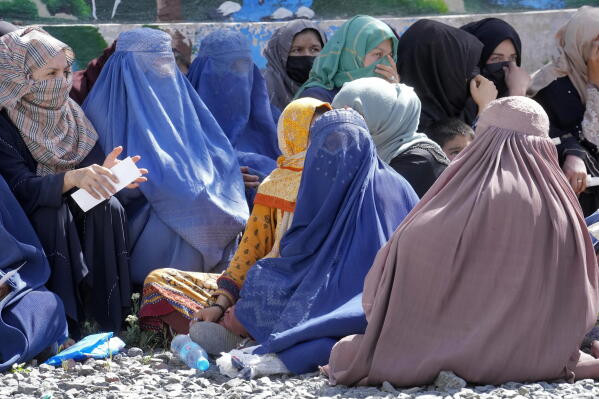
Gender persecution in Afghanistan is no secret. It is now codified in the Taliban’s 100+ edicts and decrees aimed at controlling every aspect of women’s lives. As the United Nations puts it, in 2021, an Afghan woman could run for President. Today, she would not even be allowed to speak in public.
In response to the Taliban’s embrace of systemic gender discrimination, Canada joined a multilateral effort to hold the Taliban accountable under Article 29 of the 1979 Convention on the Elimination of All Forms of Discrimination Against Women (CEDAW). But that was in two years ago. What has happened since and what can Canada do to fulfill its promises to promote the rights of Afghan women and girls?
“Life for many women and girls in Afghanistan is like life under house arrest: they are being deprived of their very dignity.” That was the message that Canada, alongside a host of other states, made on 25 September 2024, the same day that Ottawa announced it had launched a legal initiative aimed at ultimately bringing the Taliban to the International Court of Justice (ICJ) over violations of CEDAW.
The process for Canada to get to the ICJ is cumbersome. Along with its partners in Australia, Germany, and the Netherlands, Canada must negotiate with Afghanistan over violations of the rights of women and girls. If that bears no fruit, the parties must move to arbitration, and if, after six months, that fails, the case can go to the ICJ for legal hearings.
It is unclear what progress has been made or where the case stands. Have Canada and its partners moved towards arbitration? If not, why not? What is slowing down the process?Afghans and Canadians deserve transparency on whether these legal proceedings are moving forward.
Canada has insisted that any negotiation or arbitration does not mean it recognizes the Taliban as the ruling authority in Afghanistan. But there are fears that some states are engaging directly with the Taliban to forcibly return immigrants to the country. Canada’s partner in the CEDAW case, Germany, is one of those states, raising concerns that Berlin might prefer to work with the Taliban than hold them accountable.
Even if it reaches the ICJ, any case could take years to adjudicate. So, what could it achieve?
The answer is more than some might assume. The case could generate important outcomes – long before it is concluded. For one, the ICJ has the power to issue interim orders and could instruct the Taliban to cease its persecution of women and girls while the case is ongoing. The evidence generated during the ICJ’s proceedings could establish an authoritative record of wrongdoing that could be used by other states or institutions like the International Criminal Court, which issued warrants for two Taliban leaders in 2025.
As former Afghan diplomat Nazifa Haqpal observes, the ICJ’s case could “facilitate asylum claims for Afghan women, as it would establish legal recognition of the persecution they face, making it easier for them to seek refuge abroad.” In addition, the case might encourage reluctant states to recognize systematic discrimination and persecution of women and girls as a standalone crime – Gender Apartheid – under the UN’s draft Crimes Against Humanity Convention.
In the meantime, Canada can do much more and continues to have special obligations to the people of Afghanistan as a result of its twelve-year military presence in the country. A key part of Canada’s rationale for its military intervention in Afghanistan was to oust the Taliban and promote the rights of women. While the Taliban has returned and revived its brand of gender repression, Canada can support Afghan women and girls by establishing and bolstering immigration pathways for those facing gender persecution. Canada says it is helping vulnerable Afghans through its “regular immigration pathways” and that other routes are full. That is not good enough. More can be done.
Canada should also adapt its funding streams to match reality on the ground. Instead of funneling aid strictly through UN agencies subject to Taliban interference, Ottawa can establish low-profile, flexible grant channels for local civil society and women-led offices, as well as those running clandestine schools to support the right of women and girls to an education.
On the accountability from, Canada should open a structural investigation into gender persecution in Afghanistan. It has opened similar probes into international crimes in Ukraine and the “Israel-Hamas conflict”. Collecting evidence of atrocities – including from women and girls immigrating to Canada – would help build potential criminal cases against Taliban leaders, either at the ICC or in Canada’s courts.
Under Prime Minister Mark Carney, Canada has dropped its claim of having a “feminist foreign policy” in favour of “values-based realism”. It is unclear what value Ottawa places on advancing the rights of Afghan women. But if, as the government insists, “Canada will be defined not by the strength of our values but the value of our strength”, it begs the question: do our values and our strength derive at all from standing with persecuted women and girls?


