We Must do Better: An Open Letter on Assessing Complaints of Misconduct Against Candidates for ICC Prosecutor

Joining friends and colleagues in the international justice world, including our friends at Opinio Juris, I wanted to share this powerful open letter from ATLAS, a global community of female-identifying lawyers that works to empower, support and connect women work in, or embarking on, a career in public international law.

The letter calls for “a fair, transparent and safe procedure for receiving and assessing complaints of misconduct against the candidates for ICC Prosecutor” as well as “a permanent reporting process for all ICC elections of officials, including judges.” The issues addressed in it should concern all of us, irrespective of background or gender. I hope readers find the time to read the letter. Many thanks to the great folks at ATLAS for writing and sharing it. Their work, on behalf of over 7,400 women international lawyers, has never been more important.

(Image: WSJ)

The allegation of sexual misconduct against a prospective candidate for the position of Prosecutor of the International Criminal Court (ICC) is both serious and concerning. Asa network of over 7,400 women international lawyers whose mission is to empower, support, and connect women working in, or embarking on, a career in public international law, ATLAS calls on the Committee on the Election of the Prosecutor andICC States Parties to ensure there is a fair, transparent and safe procedure for receiving and assessing complaints of misconduct against candidates under consideration. Crucially, ATLAS calls on States Parties to develop a permanent reporting process for all ICC elections of officials, including judges.

Under Article 42(3) of the Rome Statute, it is a key requirement that the ICC Prosecutor possesses “high moral character”. ATLAS considers the moral character of candidates to be of primary importance to the qualifications required of the Prosecutor and as such, a fulsome examination of the integrity, courage, fortitude, honesty and empathy of the individual holding this office should form a considered part of the selection process. While there is an important focus on sexual misconduct, we wish to emphasise that there is a wide range of unacceptable and disqualifying unethical conduct across genders, including but not limited to abuse of authority, corruption, racism, ableism, homophobia, sexual assault and other forms of violence.Given the substantive and symbolic value of the ICC Prosecutor, it is essential that the candidates for this role must have conducted themselves in a manner which is beyond reproach.

The character of the Prosecutor also has an indelible, radiating effect on the Office.Article 44(2) of the Rome Statute requires the Prosecutor to “ensure the highest standards of efficiency, competency and integrity” in the employment of staff. Confirming the high moral character of the next Prosecutor is integral to the recruitment and retention of staff who meet these standards. Indeed the moral integrityof the leadership, management and staff of the Office of the Prosecutor is of primaryimportance in executing the mandate of the Rome Statute, including the redress ofsexual and gender-based crimes. Furthermore, to ensure a safe working environment, the next Prosecutor must prove themselves able to ethically and effectively deal with any allegations of misconduct made against their staff.

The importance of this should not be under-estimated. The ICC Audit Committee’s interim report, published in April 2019, highlights findings from a Court-wide 2018 Staff Engagement Survey, which had a 71% response rate and found that only 19% of respondents were “positive” that cases of bullying, harassment or discrimination were dealt with appropriately. The Audit Committee further found that the ICC had not communicated any intended corrective measures relating to instances of misconduct that staff said they had faced.

A 2017 ICC Staff Union report on ‘ICC Staff Feedback on Harassment, Bullying, Discrimination and Abuse of Power’, provided the result of a survey taken by 128ICC staff members in which 48.4% of respondents said that they had been victims of one of the listed behaviours (discrimination, (sexual) harassment, abuse of authority, or misconduct). Equally concerning was the fact that only 18.7% of thosewho had stated having been victims of these behaviours said that they reportedthem. Reasons given for deciding not to report included: lack of faith that measures would be taken (35.9%), fear of retaliation (28.9%), lack of support from peers(13.3%) or supervisors (29.7%) and having to undergo a lengthy process (15.6%).

Continue reading

Posted in #MeToo, ICC Prosecutor, International Criminal Court (ICC), International Criminal Justice, Next ICC Prosecutor | Tagged | Leave a comment

“Rethinking Peace and Justice” Symposium: Concluding Reflections

Ron Slye and Louise Mallinder join JiC for the concluding piece in our symposium on ‘Rethinking Peace and Justice’. Ron and Louise are the authors of the IFIT report to which the contributors responded. Ron is a professor of law at Seattle University. Louise is Professor of Law at Queen’s University Belfast. All of the other contributions to the symposium can be found here.

(Photo: ~W~ / Flickr)

We are grateful to Justice in Conflict for hosting this symposium on the publication of Rethinking Peace and Justice, which we co-authored on behalf of the Law and Peace Practice Group of the Institute for Integrated Transitions. We are also grateful to all the contributors for sharing their reflections on how themes explored in our report resonated in the contexts in which they work. Their thoughtful commentaries underscore the importance of the issues we raise in the publication and provide concrete illustrations of how taking a more flexible and less ideological approach to accountability and justice can further justice and efforts to negotiate peaceful outcomes to conflict.

The five different contributions illustrate how adopting a more nuanced and creative approach to balancing peace and justice is relevant at different points in a process of conflict resolution. Galuh Wandita’s post on peace efforts in Asia focuses on the importance of adopting a more creative approach in the context of an ongoing justice process in Aceh, where peace efforts paid insufficient attention to the importance of justice. Stephen Rapp’s post on Syria emphasizes that providing relief to victims is as important to include in efforts to influence an ongoing conflict as it is in developing a post-conflict road-map.  He also underscores the importance of creative approaches in the context of an ongoing conflict that is yet to enter into a serious phase of negotiation. Sarah Dunne’s contribution illustrates the importance of creative approaches to peace and justice in the context of an ongoing peace negotiation in Ukraine. The contribution by Juan Carlos Botero and Mateo Merchán illustrates the importance of continued flexibility and assessment of the balance struck between peace and justice in the early stages of a newly-created justice process in Colombia. Finally, Mark Kersten takes a more global perspective, exploring some of the implications and possibilities that arise if a more creative approach to balancing peace and justice is adopted at the international level, including by the Security Council and the ICC.

While each of the posts contributes unique perspectives to the conversation we aimed to encourage through our publication, we here highlight four cross-cutting themes that are present to some degree in each:

  • The challenges of delivering justice during and after conflict

  • Victim community empowerment and agency

  • Social reconstruction and victim healing as complements to prosecution

  • Legal leniency measures that can prevent violence and facilitate truth, justice, and reparations

The challenges of delivering justice during and after conflict

Over the last two decades, it has been increasingly common for human rights actors and international policymakers to contend that criminal prosecutions are a necessary component of sustainable peace and an obligation under international law in response to international crimes and gross human rights violations. This position, while laudable, does not reduce the profound legal, security, political and social challenges to delivering justice during or after armed conflict.

The contributions to this symposium each make clear that these challenges remain in different ways in each setting. For example, Stephen Rapp argues that the IFIT report “is timely because these issues continue to resonate in some of the most significant policy debates of our time.” He further observes that the relevance of these questions endures as we have not reached a point where “there is a greater possibility that high-level actors will face criminal prosecution for serious violations of human rights that constitute international crimes. Far from it.” Mark Kersten similarly observes that the peace versus justice debate “isn’t going away” and he draws on empirical research to report that leading experts have acknowledged that there is “no obvious answer” to these dilemmas. Indeed, as Juan Carlos Botero and Mateo Merchán observe, these challenges can remain even for comprehensive transitional justice approaches such as Colombia’s, which encompass prosecutions, truth recovery and reparations. These authors state that addressing questions of scale will continue to be the great challenge “in scenarios of mass atrocities, where it is not possible to prosecute all those responsible and satisfy the rights of all victims individually.” Continue reading

Posted in Peace Negotiations, Peace Processes, Peacebuilding, Rethinking Peace and Justice Symposium, Transitional Justice | Tagged , | Leave a comment

Peace versus Justice, Round 10,000? Nah. Some Options for the International Criminal Court

The following is Mark Kersten’s contribution to the ‘Rethinking Peace and Justice’ symposium. All other contributions to the symposium can be found here

(Photo: Reuters)

Since the dawn of humankind, communities have been thinking and rethinking the relationship between peace and justice. From the advent of international and transitional justice, however, the stakes have been raised and qualified. The problem at the core of the symposium isn’t going away: how can the pursuit of justice and accountability for mass atrocities be pursued while bolstering, or at least not undermining, peace processes?

In the 1990s, the so-called “peace versus justice” debate gained steam. Many worried that targeting perpetrators for prosecution would complicate conflict resolution efforts. The debate got particularly heated in the mid- to late- 2000s following the intervention of the International Criminal Court (ICC) in northern Uganda. The fears of the ICC spoiling peace now follow in the wake of every actual and potential intervention of the Court into an ongoing and active conflict.

Today, the tension that engulfs the peace-justice debate has diminished. Not long ago, the mention of ‘peace’ in the context of some international criminal law circles was interpreted as a threat. The inverse could be said about peace and conflict resolution circles. Since then, senior figures in international criminal justice circles have admitted that there is no obvious answer to the peace-justice debate. Negotiators have acknowledged that criminal justice for atrocities is an important part of the conflict resolution landscape. This period of relative calm and mutual understanding represents a useful time to discuss the peace-justice relationship without the emotional or professional baggage that often comes with it. In this context, the focus of Louise Mallinder and Ron Slye’s report on creative and realistic options for accountability is highly welcome.

Of course, transitional justice is far more than just international criminal justice. When confronted with the so-called “peace versus justice” debate, many observers stress the availability and appropriateness of other transitional justice mechanisms: truth commissions, traditional justice, lustration, amnesty laws, etc. Such mechanisms are indispensable. Yet they don’t resolve questions about the effects of pursuing international criminal justice in the context of ongoing conflicts or where sensitive peace negotiations are underway. This post and the suggestions below therefore focus on the ICC and what might be done to help (re)shape it as a positive actor in peace processes.

Take Advantage of the Lull

The lull in the peace-justice debate is unlikely to last. The next time that the ICC intervenes in an ongoing conflict, the debate will rear its head. This is therefore a good time to assess the Court’s impact and for proponents of the institution to work with experts in conflict and peace studies on a full-cost analysis of the Rome Statute as well as ICC decision-making vis-à-vis fragile, transitional states and peace processes. The fact that there will be a new Prosecutor in place by this time next year is also relevant. Many believe that a core part of the next Prosecutor’s mandate will be to be more sensitive to politics and to maximize the positive effects of the Court.

Preliminary Examinations and Investigations

Such a mapping exercise should be realistic and honest and cover a number of different elements. There are structural limitations in the Rome Statute that need to be recognized. For one, arrest warrants, once issued, can’t be revoked. That means that the deterrent potential and positive impact on the targeted individual is essentially spent once the warrant is issued. Positive behaviour can’t be rewarded if a warrant can’t be withdrawn. Continue reading

Posted in "Peace versus Justice" Debate, International Criminal Court (ICC), International Criminal Justice, Justice, Justice in Conflict, Peace Negotiations, Peace Processes, Rethinking Peace and Justice Symposium | Leave a comment

Balancing Peace and Justice in Negotiated Transitions from Conflict in Asia

Galuh Wandita joins JiC for this contribution on balancing peace and justice in the context of ongoing conflicts in Asia. Galuh is the Director of Asia Justice and Rights. Her post is the latest in our ongoing symposium on ‘Rethinking Peace and Justice’. Be sure to check out the other posts here.

Nepalese soldiers on patrol (Photo: AP)

The recently published IFIT report on Rethinking Peace and Justice offers a nuanced approach for those of us working in the reality of conflict. This report avoids the approach of slinging stones from the outside, while repeating mantras about accountability, which may not be helpful while peace is being negotiated. For many of us, knowing that there are principles that we hold firmly (i.e. if you commit serious crimes, there should be justice someday) is like having the stars to guide us as we walk in the darkness of night. It is what can inspire our determination and creativity, while allowing us to create short and mid-term interventions with justice as a long-term goal.

I think similar to how we have always used the idea of ‘practical and strategic’ needs in gender and development approaches, we can also use the same idea when balancing peace and justice. Practical needs in relation to justice are measures to preserve life and bring peace (and thus could include the offering of some kind of amnesty). Strategic justice needs would be measures that brings us closer to acknowledging victims and sanctioning perpetrators. During peace negotiations, we work on the practical needs, with the long-term goal of achieving some kind of justice.

Pursuing accountability for mass atrocities while trying to get warring parties to agree to lay down their arms is like adding a heavy backpack to the shoulders of a trapeze artist attempting to walk an aerial line. The extra weight could cause the aerialist to fail to reach the other side. However, if it is balanced well, it could support her journey across the thin wire. Similarly adding accountability to peace process, if balanced right, could contain important tools to carry the peace process forwards. Peace mediators/negotiators should think of useful “hooks” for anti-impunity advocates who may be working on these issues decades later.

In Asia, several peace accords have included truth and justice measures, but implementation of these commitments remains weak. For example:

The Comprehensive Peace Agreement in Nepal (2006) provided for creation of a truth commission and a disappearance commission, but it was 2015 before both commissions were established. In addition, their mandates reflect the precarious transition. Civil society groups have criticized these commissions for lacking independence and have all but abandoned positive engagement with them.

In the Mindanao region of Philippines, the Framework Agreement on the Bangsamoro (2012) recognizes that acknowledging past violations is a necessary foundation for peace, and it includes provisions for land reform, vetting and other transitional justice measures “to address the legitimate grievances of the Bangsamoro people, correct historical injustices, and address human rights violations” (ch VIII, para 12). A preparatory commission (the Transitional Justice and Reconciliation Commission, TJRC) worked between 2014 and 2015; however, the truth commission promised under the peace agreement has yet to be established.

Let me dive in more deeply into one context. In Aceh, Indonesia, after more than three decades of conflict, the Indian Ocean tsunami (Dec 2004) ravaged the coastal villages and towns killing some 200,000 persons. This shocked the Indonesian government and the Acehnese rebel group (GAM, the Free Aceh Movement) into agreeing to re-enter peace negotiations. According to those who participated in the process, the main points of contention during the negotiations centered on the establishment of local parties, a stepping-stone to self-governance in Aceh.

At a national level, as part of push for democratic reform within Indonesia, a law on a truth and reconciliation commission had been passed in 2004 and a court with jurisdiction over atrocity crimes was already in place when the peace talks were underway. Nonetheless, further commitments to truth and accountability were contained in the resulting Helsinki Memorandum of Understanding (2005). In a 2007 interview, a GAM negotiator reflected that “[d]uring the negotiations, to be frank, we thought all of this [push towards justice] would be an academic pursuit. NATO was attempting to try perpetrators in former Yugoslavia. Would it be possible to actually bring to trial a general in Indonesia? Impossible.”[1]  Provisions on a truth commission and a “human rights” court were added in the 11thhour of the negotiations by the chief negotiator, Finland’s Martii Ahtisaari. Both parties agreed without much discussion.

However, a Constitutional Court decision in 2006 annulled the national TRC, and this posed almost an insurmountable block to the Aceh TRC. Civil society groups at local and national level reacted swiftly, with a national coalition of more than 50 groups adopting a parallel strategy. The KKPK (Coalition for Justice and Truth) pushed for the redrafting of a national TRC law, and a local coalition in Aceh, KPK Aceh, created a draft law on the Aceh TRC in 2007. Fast-forward to the present, there is NO national TRC, but local parliament in Aceh established a TRC for that region. Continue reading

Posted in "Peace versus Justice" Debate, Asia, Rethinking Peace and Justice Symposium | Tagged | Leave a comment

What Justice is Required before Aid to Syrian Reconstruction?

Stephen J. Rapp joins JiC for this contribution to our ongoing symposium on ‘Rethinking Peace and Justice‘. Rapp is is an American lawyer and the former United States Ambassador-at-Large for War Crimes Issues in the Office of Global Criminal Justice. 

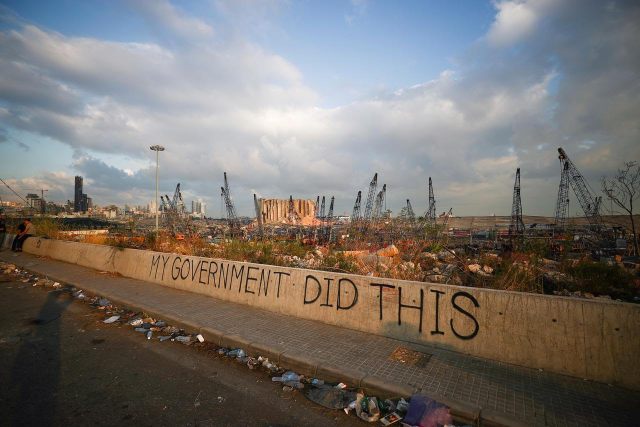
(Photo: Anadolu Agency)

The publication of Rethinking Peace and Justice is timely because these issues continue to resonate in some of the most significant policy debates of our time.  But this is not because there is a greater possibility that high-level actors will face criminal prosecution for serious violations of human rights that constitute international crimes.  Far from it.  It is because of the potential legal consequences of doing business with such actors in the absence of a process of justice for their victims.

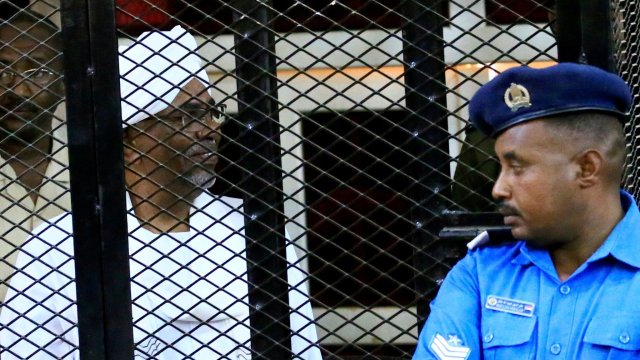
At present, international criminal justice is receiving less support from major powers than at any time since the end of the Cold War.   It has been eleven years since an ICC arrest warrant was issued for Sudan’s Omar al-Bashir.  He is now out of power, jailed for corruption in Khartoum, and may finally be on his way to the ICC.  But if it happens it will be without the kind of US-supported ‘carrot and stick’ strategy that brought Milovevic to The Hague in June 2001, two years after his indictment.  And what has happened to Saif Gaddafi, more than six years after the ICC held that he was not facing genuine proceedings in Libya, and must be transferred to its custody?

Sudan and Libya were referred to the ICC under UN Security Council resolutions adopted under Chapter 7 of the UN Charter, albeit with no ongoing political support. Meanwhile, the Syrian people have suffered the worst atrocities of the 21st Century, while Russia has cast or threatened vetoes of even the weakest UNSC resolutions critical of the Syrian regime.  While European prosecutors have issued arrest warrants for key subordinates of Bashar al-Assad, and mid-level officers will soon go on trial in Germany, is there a realistic possibility that Assad will ever be sought by an international court?

But this is to put too much focus on what happens in international criminal courtrooms, and not enough on the economic consequences for countries whose leaders have scorched the earth, killing so many of their own people while disabling and impoverishing so many more.  What if the means to rebuild such countries are blocked?  For a dictator it can be possible to live in luxury while ruling over ruins, but what of those who have killed in his name, when there is insufficient reward for their service, and what about those less loyal supporters for whom there is nothing?  Unless the funds begin to flow, even a dictator can become dispensable.

But how long should the surviving population be forced to live in the ruins?  For how many years will unsettled refugees need safe haven and sustenance from third countries?  What of the risk that an even more brutal conflict will arise from the ruins?  So the peace vs justice argument is renewed in today’s debate over whether to allow the aid and trade that would reconstruct Syria with no real change in the Assad dictatorship.

Interestingly, major powers are providing much more support for the justice side on the reconstruction issue than they are for justice in international criminal courts.  Consider the “Caesar Civilian Protection Act” that became US law on 20 December 2019 after large bipartisan majorities in both the US House and Senate voted to include it in the annual National Defense Authorization Act (NDAA).  The Caesar Act sets forth a “Statement of Policy” that

…diplomatic and coercive economic means should be utilized to compel the government of Bashar al-Assad to halt its murderous attacks on the Syrian people and to support a transition to a government in Syria that respects the rule of law, human rights, and peaceful co-existence with its neighbors.

To implement this policy, it mandates that the Secretary of State to develop “…a strategy to deter foreign persons from entering into contracts related to reconstruction in the areas…in which civilians have been subject to forced displacement.”   It requires the Secretary of the Treasury to determine if “…reasonable grounds exist for concluding that the Central Bank of Syria is a financial institution of primary money laundering concern,” and if he so determines to proceed to implement ‘special measures’ imposing onerous conditions on entities having transactions with the Central Bank.  Treasury is also mandated to apply sanctions to “foreign persons” who are supplying various services to Damascus, including those who “…knowingly, directly or indirectly, provide significant construction or engineering services to the Government of Syria.” Continue reading

Posted in Omar al-Bashir, Peace Negotiations, Peace Processes, Rethinking Peace and Justice Symposium, Sudan, Syria | Tagged | Leave a comment

Rethinking Peace and Justice: A Balancing Act in Ukraine

Sarah Dunne joins JiC for this contribution to our ongoing symposium on ‘Rethinking Peace and Justice‘. Sarah is an independent consultant, with experience in policy and conflict. Be sure to check out the rest of the posts in this symposium here

A soldier in Donetsk, Ukraine (Photo: Reuters)

In the context of Ukraine, there is certainly merit to considering flexible approaches to transitional justice (TJ) in order to balance peace and justice, as noted in the IFIT publication. On the issue of amnesty for conflict-related crimes, there has been a tendency to emphasize a punitive approach in Ukraine, which is understandable given the pain caused by conflict. However, jumping to this as a legal policy approach would miss a key step in the process, namely consulting broadly with conflict victims, ideally on both sides of the contact line, about what their needs may be and how to further their rights to truth, reparations, accountability, and guarantees of non-repetition. The agreement for the formal peace process sets out very broad parameters for amnesty, which arguably could benefit from creativity to search for acceptable modalities for the parties who diverge on how far amnesty should go. The issue of international crimes and their exclusion from amnesty, however, is one thing that arguably all conflict parties can currently agree on. This is important in a situation where agreement on any of the political aspects of conflict settlement has been exceedingly difficult to date.

The armed conflict in Ukraine continues, with the two eastern Luhansk and Donetsk oblasts (regions) both divided between territory controlled by the Ukrainian government (government controlled areas or GCA) and areas administered by the Russian-backed so-called Luhansk and Donetsk people’s republics (non-government controlled territory or NGCA). The 2014 and 2015 Minsk Agreements attempted to outline a framework for settling this conflict. Point 5 of the February 2015 Package of Measures addresses amnesty and pardon, proposing to ‘ensure pardon and amnesty by enacting the law prohibiting the prosecution and punishment of persons in connection with the events that took place in certain areas of the Donetsk and Luhansk regions of Ukraine’. Security still remains fragile in eastern Ukraine, with continuing ceasefire violations preventing substantive progress on the political elements of the Minsk Agreements, including amnesty.

Despite this, peace negotiations continue in the Minsk Trilateral Contact Group (Minsk TCG). Overseen by the OSCE, this format includes representatives from Ukraine and Russia, as well as from the NGCA, who meet fortnightly to work out the details of Minsk Agreement implementation. There have been no visible results on the question of amnesty and pardon. Not only is there a lack of full agreement between conflict parties on these issues, but consensus is also lacking within the Ukrainian population and political elite. There will be issues with acceptance if the debate on these controversial topics is only conducted behind closed doors in the formal peace process.

Within Ukrainian society, the level of public discussion has highlighted the sensitivity and controversy around key amnesty and TJ concepts. This stems in part from the fact that armed hostilities in eastern Ukraine are ongoing with continued ceasefire violations and casualties. Additionally, the recently experienced trauma and pain, which is common to any armed conflict, creates resistance to any form of leniency or exemption for those who are perceived to have committed crimes. Arguably in Ukraine, there is a need for more public understanding on the concept of amnesty and related TJ issues, and what it sets out to achieve, with some equating it purely with capitulation.

An additional challenge is that, in the past, those with a hard-line view have tended to dominate and influence the debate. For example, two draft laws registered in 2017 by MPs from the Narodniy Front faction focused on the need to punish collaborationism. One draft involved 12-15 years of criminal responsibility for those who organised and participated in rallies in favour of ‘occupying’ authorities, or for those who called for support for these authorities in public. However, both draft laws were recalled by those that had initiated them in August 2019. There was also a draft law ‘on forgiveness’, which in its latest version was entitled ‘on accountability’. This proposed that those eligible submit a written appeal for forgiveness to a local court. In return they would receive an alternative punishment that may include temporary limitation of their right to vote or right to work for state or local self-government authorities. With regard to one version of the draft law, the number of people this law would cover was estimated at approximately 500,000, applicable to both Donbas and Crimea – a significant number for Ukraine’s judicial system. The need to submit a request for ‘forgiveness’ alone could be seen as problematic to some. Continue reading

Posted in Amnesty, Peace Negotiations, Peace Processes, Rethinking Peace and Justice Symposium, Transitional Justice, Ukraine | Tagged | 1 Comment

Rethinking Peace and Justice: Lessons from the Colombian Transitional Justice Experience

Juan Carlos Botero and Mateo Merchán join JiC for this contribution to our symposium on ‘Rethinking Peace and JusticeJuan Carlos is Associate Professor at the Department of Philosophy and History of Law at the Pontificia Universidad Javeriana School of Law, Bogota, Colombia. Mateo is an Adjunct Professor at the same school.

(Photo: Luis Roboyo / AFP)

The liberal version of transitional justice assumes that the central dilemma of transition is how to transform a society that has been subjected to illiberal rule and the extent to which this shift is guided by conventional tenets of the rule of law and the responsibilities associated with established democracies (Teitel, 2006, p.3). However, “[t]here are many misunderstandings and controversies about the nature of transitional justice. Some believe it is simply a form of criminal justice diluted by the need for transaction and compromise—a kind of ‘criminal justice lite’” (Seils, 2015, p.3).  Presumably, this ‘light’ form of justice would be justified by the society’s need to ‘turn the page’ after devastating violence, as a means to achieve peace, or because of the practical impossibility of securing full accountability. At a time when the International Criminal Court (ICC) is perceived by many as a ‘walking dead’ (Thakur, 2019; Lee, 2018), it seems timely to ask whether the justice resulting from the Colombian peace process was a disappointing form of ‘light’ justice, or if is it rather a promising new model for international criminal justice in the ‘post-ICC’ era of the XXI century?

The Final Agreement for the Termination of the Conflict and Construction of a Stable and Lasting Peace (Final Agreement), signed by the Government of Colombia and the FARC-EP guerrillas in November 2016, created a transitional justice system that seeks to satisfy the rights of the victims of the armed conflict to truth, justice, reparation, and non-repetition (Art. 1. Legislative Act 01 of 2017), while striking a new balance between the conflicting interests of peace and justice (understanding Justice as accountability, retribution, and punishment for grave crimes).

This transitional justice system, called the Comprehensive System of Truth, Justice, Reparation, and Non-Repetition (SIVJRNR), encompasses three mechanisms: The Truth, Coexistence and Non-Repetition Commission (CEV); the Search Unit for Persons Presumed Disappeared in the context and because of the armed conflict (UBDP) and the Special Jurisdiction for Peace (JEP), the latter being the mechanisms to prosecute and punish those responsible for the most serious crimes committed in the context of the armed conflict (Art. 5. Legislative Act 01 of 2017).

Transitional justice systems, as the Colombian one, often face limitations stemming from the exceedingly complex contexts of violence in which mass atrocities are perpetrated (Duthie and Seils, 2017). In fact, there is no country that has made a transition where each perpetrator of human rights violations has been prosecuted (De Greiff, 2012, p. 35).  In this context, the Final Agreement proposes a new balance between the demands of justice and peace through the prosecution of the most serious and massive crimes from a restorative rather than a retributive (punitive) justice approach. Restorative justice encompasses a diverse set of values, aims, and processes that have as a common factor attempts to repair the harm caused by criminal behaviors when victims, community and offenders meet to decide how to repair the damage caused (Hoyle, 2010, p. 9).

“Both retributive and restorative theories of justice acknowledge a basic moral intuition that a balance has been thrown off by the wrongdoing. Consequently, the victim deserves something and the offender owes something. Both approaches argue that there must be a proportional relationship between the act and the response. They differ, however, on the currency that will fulfill the obligations and right the balance. Retributive theory believes that pain will vindicate, but in practice that is often counterproductive for both victim and offender. Restorative justice theory, on the other hand, argues that what truly vindicates is acknowledgment of victims’ harms and needs combined with an active effort to encourage offenders to take responsibility, make right the wrongs and address the causes of their behavior. By addressing this need for vindication in a positive way, restorative justice has the potential to affirm both victim and offender and help them transform their lives.” (Zehr and Gohar, 2003, p. 59). Continue reading

Posted in "Peace versus Justice" Debate, Colombia, Rethinking Peace and Justice Symposium | 3 Comments

Online Symposium: Rethinking Peace and Justice

Over the next week, JiC will be hosting an online symposium on ‘Rethinking Peace and Justice’. The contributions to the symposium explore the pursuit of peace and endeavours to achieve justice and accountability for atrocities and human rights violations. They also respond to a recent report, by the same title. The rolling introduction was written by Mark Freeman, of the Institute for Integrated Transitions.

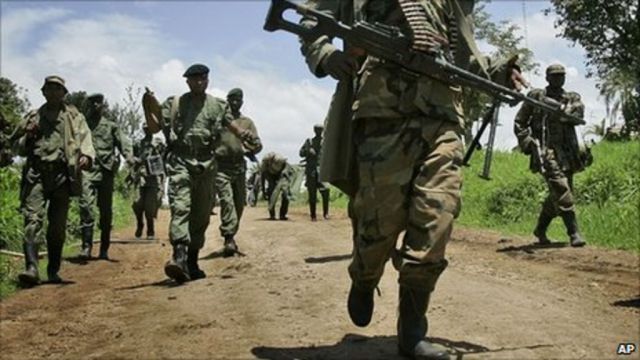
(Image: Ana Taban / BBC)

The Institute for Integrated Transitions (IFIT) is pleased to partner with Justice in Conflict for this online symposium addressing the ideas covered in IFIT’s recent publication: Rethinking Peace and Justice. This publication is the first of a three-part IFIT series on contemporary challenges of transitional justice, and aims to provoke an overdue discussion in the mediation and human rights fields on the benefits of adopting a less ideological approach to balancing peace and justice.

The publication’s primary authors, Louise Mallinder and Ron Slye, demonstrate that flexible approaches to justice, particularly as part of negotiated transitions out of armed conflict, have received increased recognition in international law and policy in recent years. Drawing on state practice and policy, the publication explains how carefully designed legal leniency measures can play an important role in helping societies to move beyond violent pasts; and how negotiation techniques and process design can take advantage of the flexibility international law allows in order to balance peace and justice.

In order to promote peer discussion on the publication’s central arguments, we invited a number of international experts to write short reflection pieces of their own. These will be posted over the course of the week. Following that, Louise Mallinder and Ron Slye will offer a concluding reflection.

We sincerely hope Justice in Conflict’s readership enjoy this special symposium.

Posts include:

Rethinking Peace and Justice: Lessons from the Colombian Transitional Justice Experience, by Juan Carlos Botero and Mateo Merchán

Rethinking Peace and Justice: A Balancing Act in Ukraine, by Sarah Dunne

What Justice is to be Required before Aid to Syrian Reconstruction?, by Stephen Rapp

Balancing Peace and Justice in Negotiated Transitions from Conflict in Asia, by Galuh Wandita

Peace versus Justice, Round 10,000? Nah. Some Options for the International Criminal Court, by Mark Kersten

“Rethinking Peace and Justice” Symposium: Concluding Reflections, by Ron Slye and Louise Mallinder

Posted in "Peace versus Justice" Debate, Peace Negotiations, Peace Processes, Rethinking Peace and Justice Symposium | Tagged | 2 Comments

The Next ICC Prosecutor: A Product of Geography – A Response

The following guest-post, a response to Kevin Jon Heller’s contribution to our symposium on the Next ICC Prosecutor, is by Dhruv Sharma. Dhruv is an advocate in India and was a Chevening Cambridge Trust Scholar from 2018-19.

(Photo: ICC)

The Symposium hosted by Opinio Juris and Justice in Conflict on the next ICC Prosecutor produced some great scholarship highlighting the necessary qualifications and virtues expected of the Prosecutor while also setting the expectations of the stakeholders interested in the Court’s work, and its processes.

The present post is a critique of Professor Kevin Jon Heller’s contribution to the Symposium, where he seeks to highlight the need to appoint the next ICC Prosecutor from a P-3 State (USA, UK, or France) in order to incentivise cooperation from such powerful State(s).

The Argument

Heller’s article offers three arguments. Firstly, that appointing a Prosecutor from a P-3 State will “invest the Prosecutor’s home state in the ICC’s success, making the state more likely to support and cooperate with the Court”. At the outset, the appointment of such a Prosecutor would, at best, ensure cooperation from that particular State which may get invested in workings of the ICC. Heller places excessive reliance on the role of an individual as an international actor and seems to hope that decades of foreign policy shall potentially change based on the position and persuasion of that individual. This argument is presumptive of State behaviour as, clearly, the presence of a French and a UK Judge at the Court has not had a similar effect. However, as illustration, let us consider current US behaviour towards internationalism. The US has, in the past four years’, effectively locked down the WTO, withdrawn from the Iran Nuclear-Deal, and notified the UN of its xwithdrawal from the Paris Agreement. Against this background, Heller hopes for cooperation from such State merely on the basis that one of its nationals leads an Organ of a Court to which it is not even a party. Conversely, this incentive for a State to cooperate can be turned on its head to argue a potential bias on part of the said Prosecutor in favour of the Home State (or its Global North allies). It is perhaps helpful to reflect upon the axiom that, “while there are neutral countries, there are no neutral men”.

Secondly, Heller states that a Prosecutor from a P-3 State would improve neutrality and decrease allegations of bias. Even if the allegations of a “rogue prosecutor” let loose by the ICC decline, this argument would again prevent one scenario when the Prosecutor goes against her own State provided that the relevant State does refrain from making such allegations. In the past one year, leaders from the P-3 States have publicly gone against their own foreign representatives (here and here) and their P-3 allies (here and here). Expecting cooperation from a State owing to the appointment of a Prosecutor from an ally state is naïve at best, and deceptive at worst. Further, the symbolism constraining the powerful states faces a counter symbolism of bias and neo-colonialism. Most, if not all, discussions of bias and the ICC have been directed towards the Court’s particular gaze over Africa (hereand here), as a result of which one State has withdrawn from its Membership of the ICC, and two others almost withdrew from the Court (here and here). A Prosecutor from a P-3 State would not resolve this legitimacy crisis, and instead intensity allegations of bias against the Court, albeit from the Global South.

Thirdly, that the appointment of a Prosecutor from the P-3 would ‘obviously’ enhance the support of the Security Council. One must note that the Security Council is only as strong as its weakest link and better support depends entirely on all five States not exercising their veto power. It is worth remembering that the Council has, in the past, suffered from a deadlock over referral of even the allies of the P-5 States to the ICC, let alone the States themselves. The argument seeks heightened support from States who while setting up the world’s first international military tribunal conveniently brought only the individuals from the losing States to justice. The appointment of a Prosecutor from the P-3 would only amplify the scepticism of the remaining veto States towards the enhanced influence of one State at the ICC. Continue reading

Posted in ICC Prosecutor, International Criminal Court (ICC), International Criminal Justice, Next ICC Prosecutor, Next Prosecutor Symposium | Leave a comment

The ICC Assembly of States Parties’ Selection Process for the Third ICC Prosecutor

The following post on the Next ICC Prosecutor is by Charles C. Jalloh and Sabine Nölke. Jalloh is Professor of Law, Florida International University and Member, International Law Commission. He is Chair of the Panel of Experts on the Election of the Prosecutor. Nölke is the former Ambassador of Canada to the Kingdom of the Netherlands (currently Chargée d’affaires of Canada to Ireland) and Chair of the Committee on the Election of the Prosecutor. The views expressed by the authors are personal and not attributable to any entities with which they may be affiliated. This essay is dedicated to the memory of Felipe Michelini, Chair of the Board of Directors of the ICC’s Trust Fund for Victims, who passed away following a tragic accident as this piece was being finalized.

(Photo: Adam Mørk / ICC)

As Chairs of the ICC Assembly of States Parties Committee and Panel of Experts on the Election of the Prosecutor, we have read with interest the thoughtful articles in the recent symposium on “The Next ICC Prosecutor.” As the conveners rightly stressed in their introduction, “the choice of the next Prosecutor will have a profound effect on how well – or how poorly – the Court functions for the next eight years. Simply put: the ASP has to get this right.” We could not agree more. And, judging by the concrete actions the ASP has taken to establish a competency-based search process for the ICC’s crucial third Prosecutor, the States Parties to the Rome Statute also want to “get this right.”

There were several thoughtful contributions to the symposium. However, even though we did not agree with some of the articles, little was said about the innovative process that the ASP put in place to assist in ensuring that competence, rather than politics, guides the process of identifying the best candidate to succeed to the world’s most important prosecutorial position in June 2021. A review of what is actually being done may be of assistance to those ICC watchers outside The Hague who may not have followed the ASP-mandated process in detail.

The Establishment of the Committee on the Election of the Prosecutor and the Panel of Experts

Deliberations on the outlines of a competency-based selection process for the next prosecutor began in the ASP Bureau under President O-Gon Kwon in July 2018. Following rounds of consultations between Bureau members and States Parties, a formal decision containing the Terms of Reference for two ASP created bodies was adopted on 11 April 2019. They mandated the establishment of two bodies: 1) a Committee on the Election of the Prosecutor (“CEP”); and 2) a Panel of Experts (“PoE”).

Membership of the Committee and the Panel of Experts on the Election of the Prosecutor

The ASP, following nomination by regional groups and based on consensus, appointed the members of the two bodies early last summer. The CEP membership was agreed by the States Parties and the ASP on 6 June 2019, as follows:

  1. Ambassador Marcin Czepelak (Poland);
  2. Deputy Permanent Representative Lamin Faati (The Gambia);
  3. Ambassador Andreas Mavroyiannis (Cyprus), subsequently named Vice-Chair by the CEP;
  4. Ambassador Sabine Nölke (Canada), subsequently named Chair by the CEP;
  5. Ambassador Mario Oyarzábal (Argentina).

The agreement on the PoE followed on 19 June 2019, with the following members, again nominated by the regional groups and agreed by the Bureau:

  1. Francisco Cox Vial (Chile);
  2. Aurélia Devos (France);
  3. Charles C. Jalloh (Sierra Leone), subsequently named Chair by the POE;
  4. Motoo Noguchi (Japan);
  5. Anna Richterova (Czech Republic).

The positions are not remunerated, and although basic travel expenses are offered for in person meetings, participation in the CEP and the PoE constitute pro bono service to the ICC.

The Role of the Committee and Panel of Experts on the Election of the Prosecutor

The CEP plays the lead role. It was entrusted, under paragraph 9 of the Terms of Reference, with the responsibility to “facilitate the nomination and election of the next Prosecutor.” It is representative of the five regional groups of the ASP. Crucially, the members “serve in an individual and independent capacity,” not as representatives of their governments or other interests. Indeed, they are not allowed to “seek, or act on, instructions from any external source.” (Paragraph 4).  The CEP’s role is similar, not identical, to that of the Search Committee which the ASP created in the 2011 search for the ICC’s second prosecutor. Improvements from the last round were incorporated.

The PoE is required “to assist the Committee in carrying out its mandate.” The membership of the POE, which is comprised of independent experts with “extensive national or international criminal investigation, prosecution or judicial experience,” is also drawn from each of the five regional groups. (Paragraphs 7, 15). The creation of the POE represents the most “significant innovation”, and aims at ensuring that only the most qualified professionals are presented to States Parties for (s)election.  Members also act in their private capacity. While the PoE shall assist the CEP in an “advisory capacity” only (paragraph 10), the division of labor foreseen in the Terms of Reference essentially creates a rigorous two-level vetting system. Continue reading

Posted in Assembly of States Parties, ICC Prosecutor, International Criminal Court (ICC), International Criminal Justice, Next ICC Prosecutor, Next Prosecutor Symposium | Leave a comment