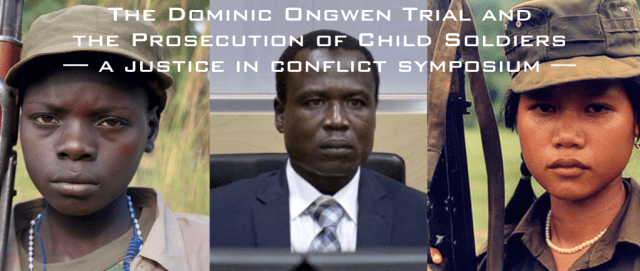
This is the final post in JiC’s symposium on the trial of Dominic Ongwen and the prosecution of former child soldiers. Disclaimer: this is not a real press release. For a list of the posts written to date, please see here. Thanks for reading!
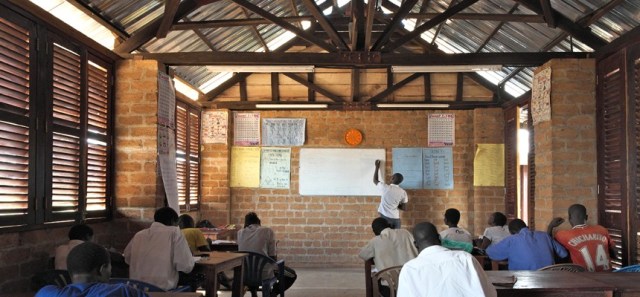
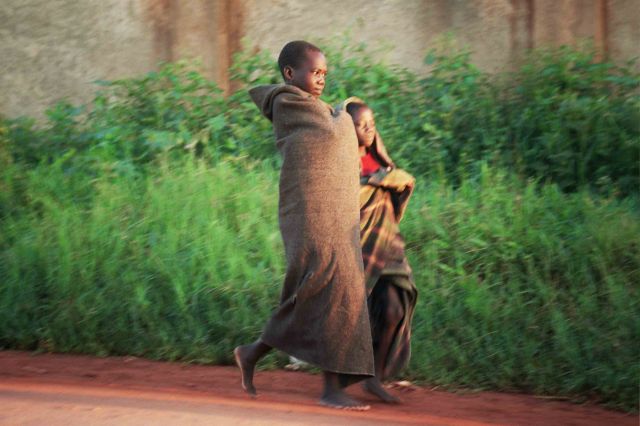
A training centre for former child soldiers in northern Uganda (Photo: Article 25 http://www.article-25.org)
DISCLAIMER: this is not a real press release.
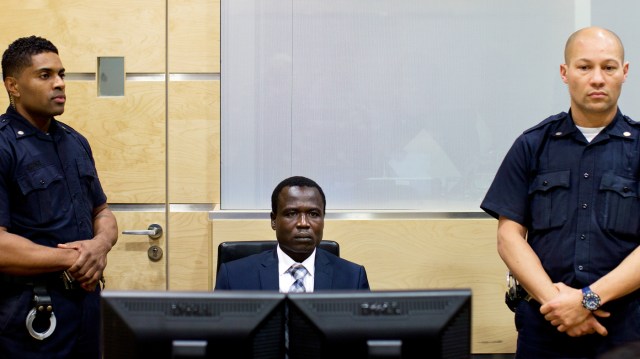
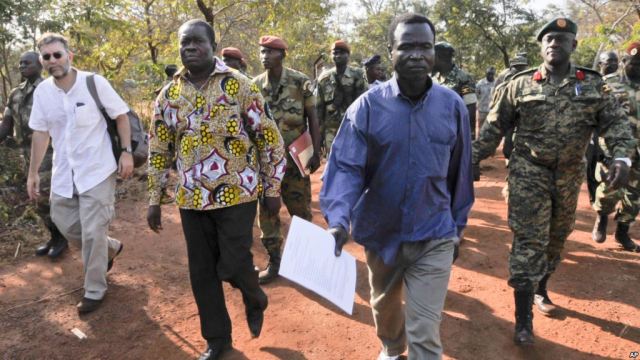
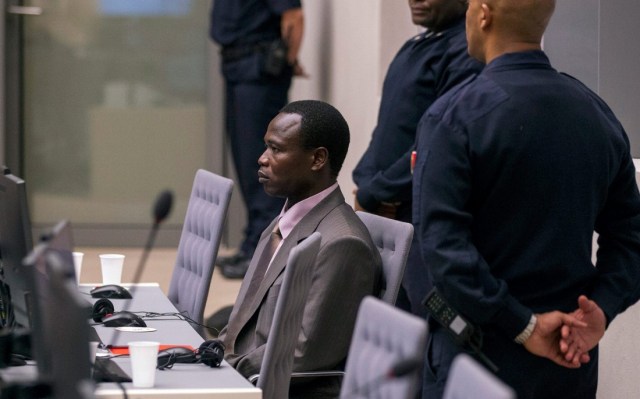
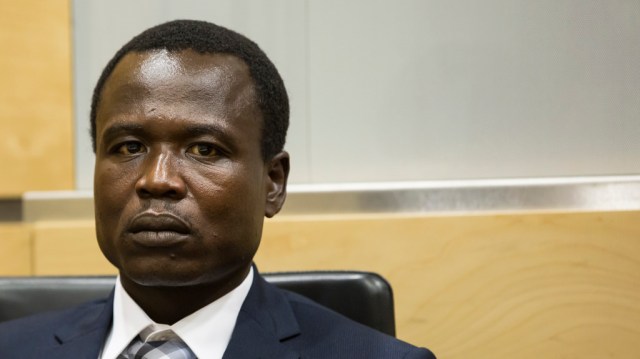
Today, 21 April 2016, the Chief Prosecutor of the International Criminal Court (ICC) spoke to members of the media and issued a statement regarding the prosecution of Dominic Ongwen. Mr. Ongwen was a senior rebel commander of the Lord’s Resistance Army (LRA) and is currently facing seventy counts of war crimes and crimes against humanity. A warrant for his arrest was issued in 2005 and he was surrendered to the Court in January 2015.
“First, we must acknowledge that prosecuting anyone who has been a child soldier is a tragedy but also a necessary evil,” Chief Prosecutor Fatou Bensouda said. “No one should ever have to endure the hardship and violence that derives from being a child soldier. Yet, at the same time, it is not possible for my office, or any court for that matter, to simply ignore the atrocities committed by perpetrators who have previously been victims of the same or similar types of crimes.”
The Chief Prosecutor further stated that she understood that not all people in northern Uganda agreed with the prosecution of individuals who had previously been abducted as children. “We sought out to make a positive difference in northern Uganda,” said Bensouda. “My office fully recognizes that, ten years after five arrest warrants were issued for the top leadership of the LRA, having only one individual in custody, a former child soldier, has not come close to meeting the expectations of victims and survivors of LRA violence. I want to take this opportunity to reaffirm our position that we will continue to investigate any and all LRA crimes under the jurisdiction of the Court and also remind all parties, including the government of Uganda and its military, that further investigations and prosecutions are within the mandate of my office.”
Bensouda added that “for a number of reasons, many of which are outside of the control of the Court, the expectations of people in northern Uganda have not been met.” In order to avoid widening any expectation gap in the future, the Chief Prosecutor expressed her office’s intention to prosecute Ongwen both expeditiously and effectively. “Despite the fact that we charged Mr. Ongwen with seventy counts of war crimes and crimes against humanity, my office is committed to efficient proceedings. Barring any unforeseen or significant obstacles in the coming months, we will rest our case no later than three years from the beginning of the trial. Mr. Ongwen’s defence is aware of our intentions and have likewise committed to an efficient and fair trial. Let me be absolutely clear: the burden is on my office, on the judges, and on the defence — and not the victims and survivors of northern Uganda — to ensure that proceedings are efficient. We will work tirelessly to meet that expectation.”