
The following contribution to JiC’s ongoing symposium on Informers Up Close comes from Patryk I. Labuda. Patryk is an assistant professor of international law and international relations at Central European University in Vienna and a researcher on the ‘Memocracy’ project at the Polish Academy of Sciences, Institute of Law Studies in Warsaw. For all other contributions to the symposium, please see here.
Mark Drumbl and Barbora Holá’s new book ‘Informers Up Close’ is a beautifully written, riveting read and first-rate scholarship. Drawing on the case study of Czechoslovakia during communism, the authors open up the ‘black box’ of collaboration to offer a nuanced, multi-level, and emotionally informed analysis of the informer – whom they define as “a common citizen who gathers and then supplies information, usually clandestinely, to authorities”. In this post, I offer some thoughts on the book’s path-breaking analysis of Czechoslovak informers, its innovative proposals for how to think about informing in transitional justice processes, and then turn to a few broader comparative riddles and epistemological challenges arising from the Eastern European context.
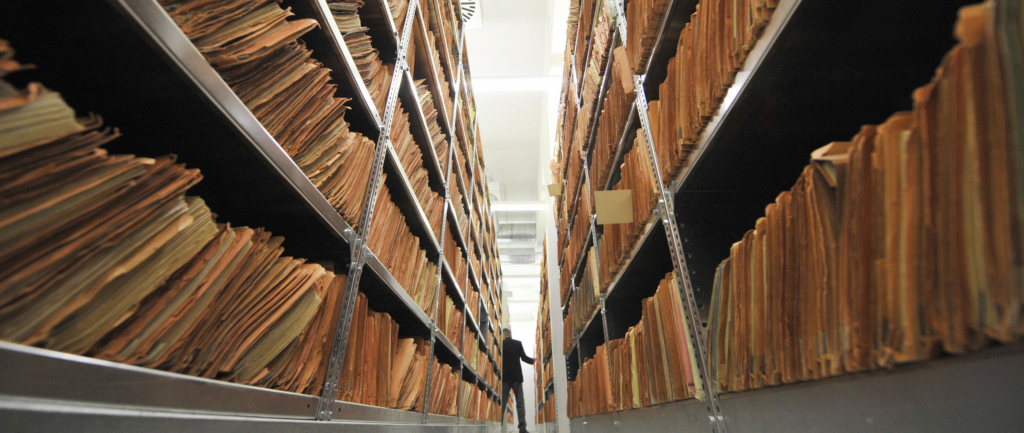
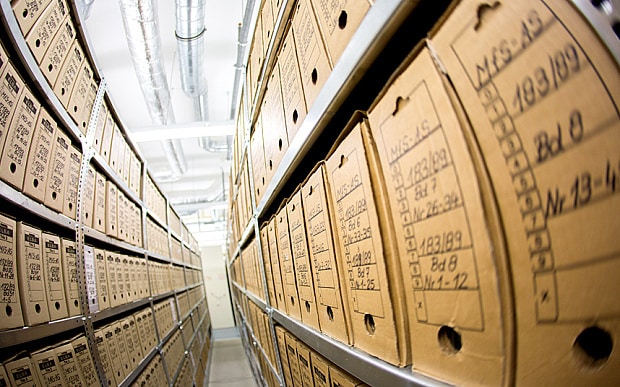
One of the book’s major contributions to the literature is its deep dive into the Czechoslovak archives. Building on oral histories and secondary scholarship, Drumbl and Holá examine hundreds of secret police files to extract and analyse “the emotions that drive and animate… informing and talking to the secret police”. The book identifies and unpacks four main emotions as drivers of informing – fear, desire, resentment, and devotion. However, the authors recognize that these are not airtight categories, that other emotions may also explain certain behaviours, and that an emotional analysis of informing is ultimately a methodological choice (but not the only research lens into informing).
Chapter 4’s careful, rich and vivid reconstruction of six informers captivates and immerses the reader into a distant world whose written and unwritten rules we try to understand as best we can, while guiding us through ordinary and less ordinary lives where informing played different roles – from mundane gossip about neighbours to denunciations that harmed people. Lily’s tragic story (and unknown fate) sits uneasily alongside Golfus’ complicated and inglorious personality or Soukup’s messy life ‘choices’. (I am aware, and embrace, that the order of ‘memorable’ characters and the emotional adjectives used to describe their stories may reveal something about my own positionality vis-à-vis this book). Ultimately, the six files – and several more in an online annex – are meant to do two things: first; help readers to think through why informers worked with the secret police in a repressive regime like communist Czechoslovakia; and second, a “‘high-resolution portrayal’ of informers aims to unsettle ‘assumptions of the homogeneity of secret collaborators that underpin the lustration and similar laws” (quoting Roman David).
Continue reading




 Justice in Conflict