

(Photo: Brian Marshall / LA Times)
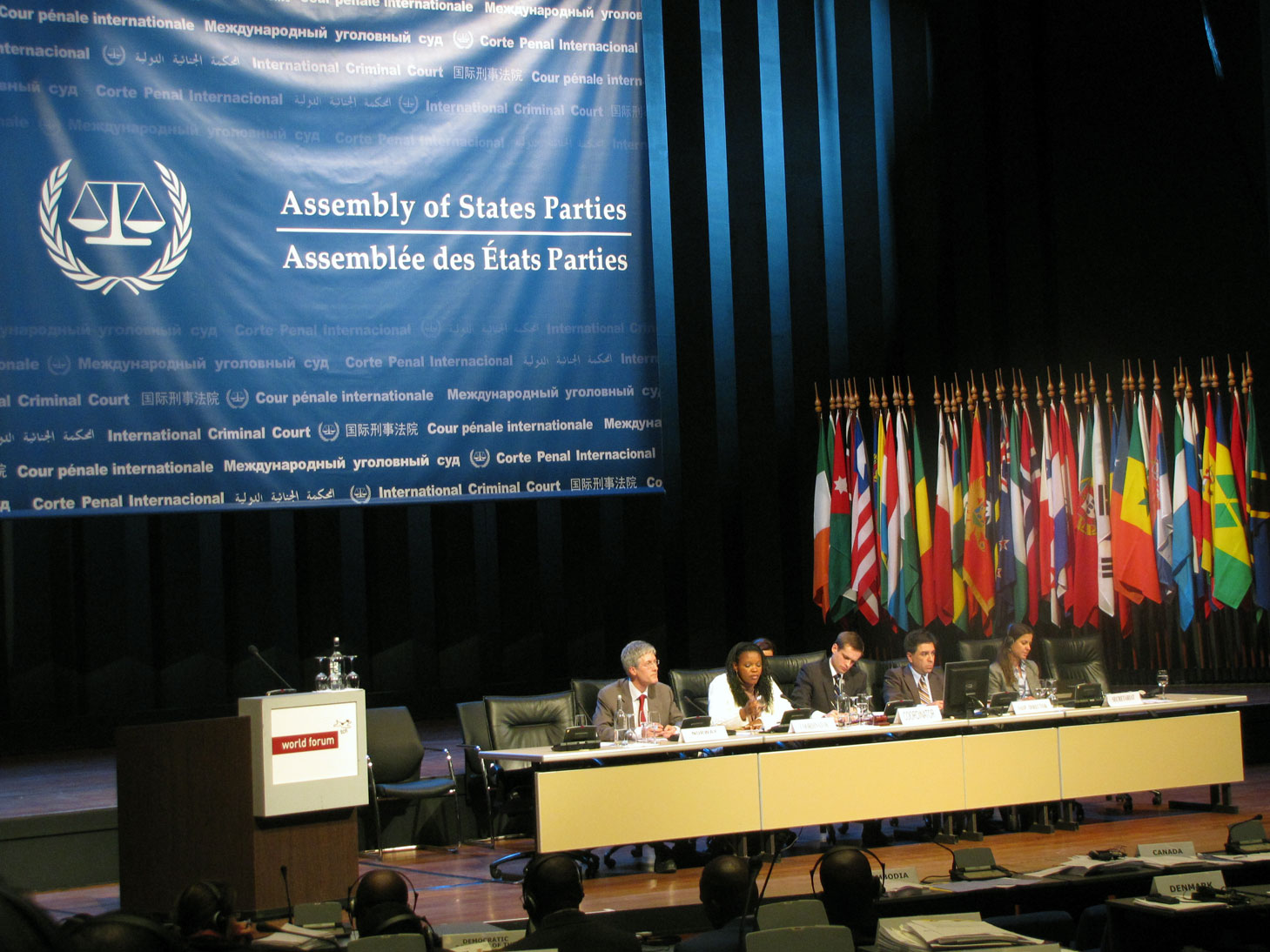
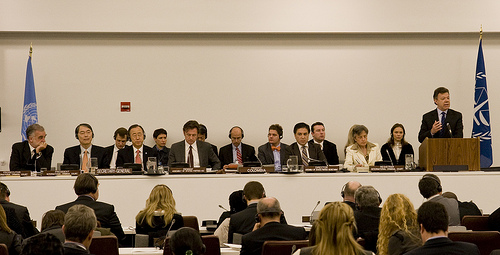
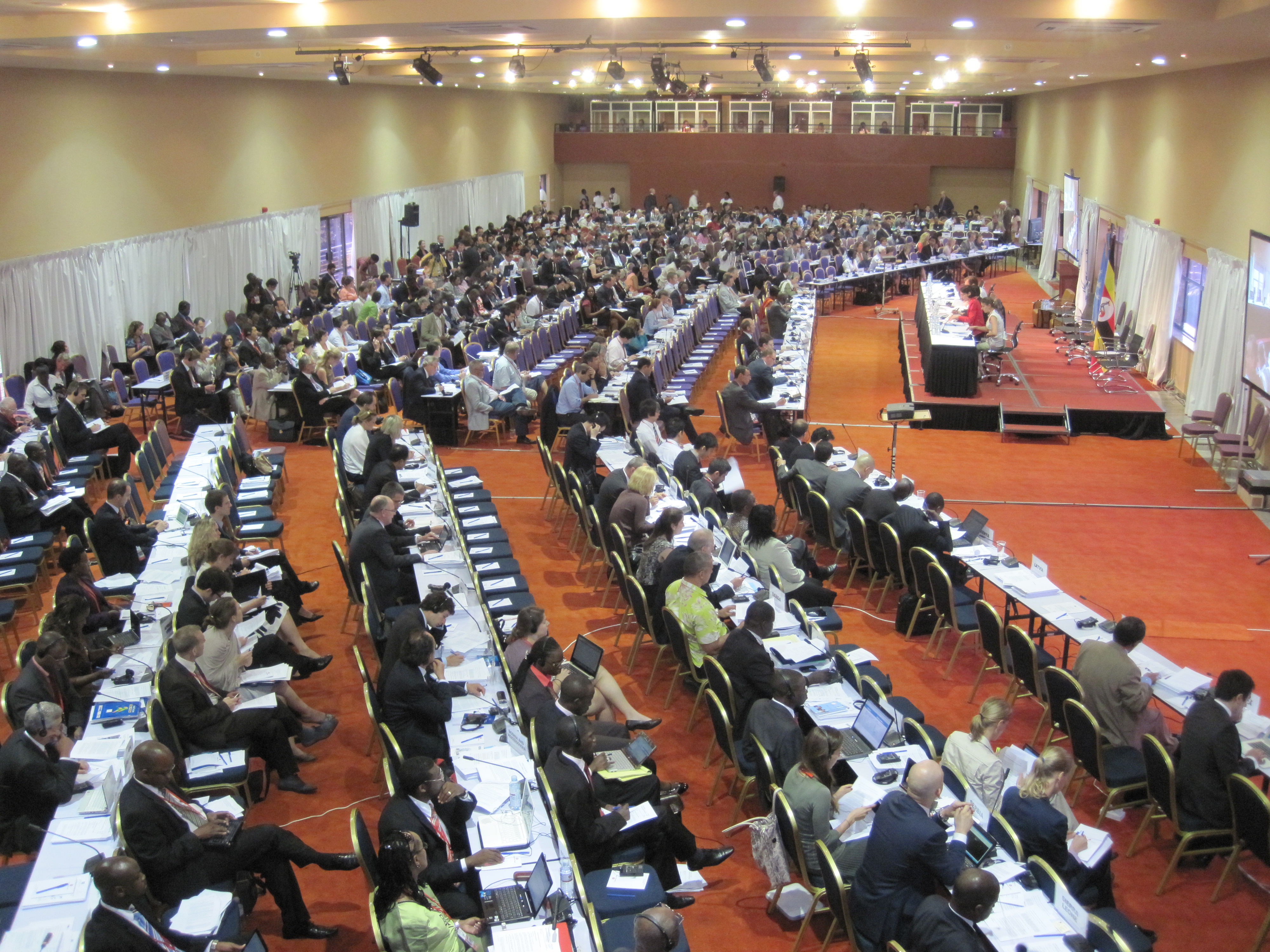
Over the last week, member states of the International Criminal Court have gathered in New York City. They had a lot on their plate: select a new Prosecutor, select a new set of judges and decide on the Court’s budget.
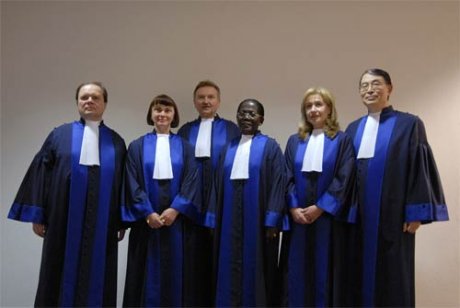
Getting a new Prosecutor – Fatou Bensouda – proved rather easy; electing the Court’s next judges wasn’t. Reports suggest that the process was a confusing and rather arduous marathon. But both elections will surely be greeted with a great deal of optimism. The same can’t be said for the negotiations which led to the adoption of the ICC’s 2012 budget, described by one reporter as “a huge bone of contention in negotiations in New York.”
The ICC’s case load has expanded dramatically in the past year. Libya and Ivory Coast alone have strained the Court’s resources – and will continue to do so. Other investigations are ongoing and new cases are set to begin.
International criminal justice, of course, doesn’t come cheap. The cost of ICC justice is one of the primary criticisms in the justice-skeptic’s arsenal – although, it should be noted, the money spent on accountability for the worst violations of human rights is peanuts compared to the money spent on things like Hallmark cards and baseball teams.
Logic would dictate that as the number of investigations and cases before the ICC increases so too should its budget. That state parties provide the Court with an adequate budget is only more pressing because of the annoying and irresponsible practice of the UN Security Council of refusing to provide any funds in either of its referrals to the ICC (Libya 2011 and Sudan 2005). As Jonathan O’Donohue has noted:
“It is unrealistic to expect the ICC to grow in response to the demands of the international community and at the same time demand that the associated spending be absorbed without degrading the quality of the Court’s work.”
 This week state parties finalized the Court’s budget, which will, in fact, increase – but not nearly as much as the Court and its proponents had hoped. In the wake of the budgetary negotiations, the mood wasn’t optimistic. O’Donohue, Legal Adviser for Amnesty International’s International Justice Project and leader of the Coalition’s Team of NGOs on Budget and Finance, had this to say:
“States parties have had such high expectations of the International Criminal Court, yet a few major contributors are not willing to fully fund it. Today’s budget decision could have damaging consequences in the Court’s work to deliver justice for victims of grave crimes.”







 Justice in Conflict