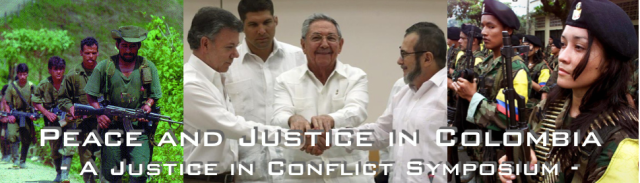
Peace and Justice in Colombia – A JiC Symposium
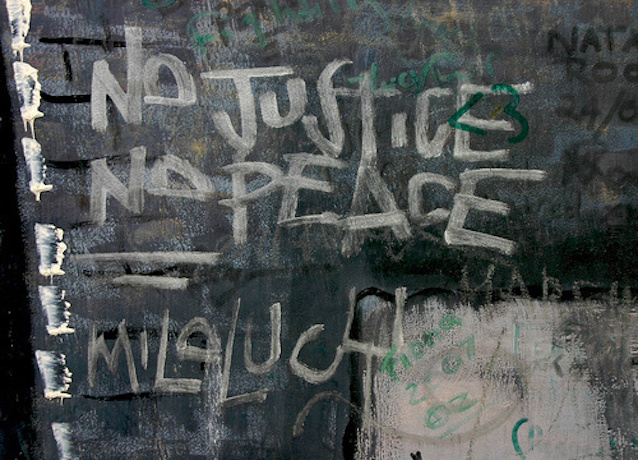
Earlier this month, Colombians voted in a referendum, one whose results captured the globe’s imagination. The reason for the intrigue was simple: after years of negotiations, the people of Colombia were voting to decide whether a peace deal between the government of Colombia and the rebel FARC group would be implemented. The outcome shocked many. Only a third of eligible voters cast a ballot. And just a hair over fifty percent of those who voted — citizens mostly located in areas downstream of the five decades-long conflict — rejected the peace agreement. The proponents of the peace deal, on both the government and rebel side, insisted this was just a hurdle; they would double-down to find a peaceful solution to the conflict. But a common refrain in the days since the Colombian referendum has been that the agreement was too lenient towards those accused of mass atrocities and human rights violations. Colombians want peace. They also want justice. But what is the appropriate mix?
Over the next few days, JiC will host a number of articles from scholars and researchers of Colombia and transitional justice. The pieces will explore numerous questions, including:
Why did Colombians reject the peace deal between the FARC and the government?
What role did accountability play in shaping the peace agreement?
What kind of justice are the people of Colombia seeking?
What impact did the preliminary investigation by the International Criminal Court (ICC) have on the peace process?
What is the future of the peace process — can it be rescued?
We have a fantastic — and still growing — cast of contributors to this mini-symposium. We hope that you, as readers, find it both interesting and engaging.
Here are the contributions to date:
The Way Forward: What the ‘No’ Vote Means for Peace in Colombia, by Sophie Haspeslagh
The Fallacy of Prescribing Peace and Justice for Colombia from a Washington Cubicle, by Derek Congram
Manipulating Truths: Media Coverage, Democracy, and the Colombian Referendum, by Carlos Fonseca Sánchez
Peace with Justice in Colombia: Why the ICC isn’t the Guarantor, by Lesley-Ann Daniels
The Great Escape? The Role of the International Criminal Court in the Colombian Peace Process, by Kirsten Ainley
Meeting International Standards: Amnesty in the Colombian Peace Deal, by Josepha Close
Peace and Justice in Colombia – I Fought the Law and the Law Won, by Mark Drumbl
As always, JiC’s goal is to create an open and honest dialogue within a forum that respects the opinions of all participants. And, as always, we welcome your thoughts and reflections!