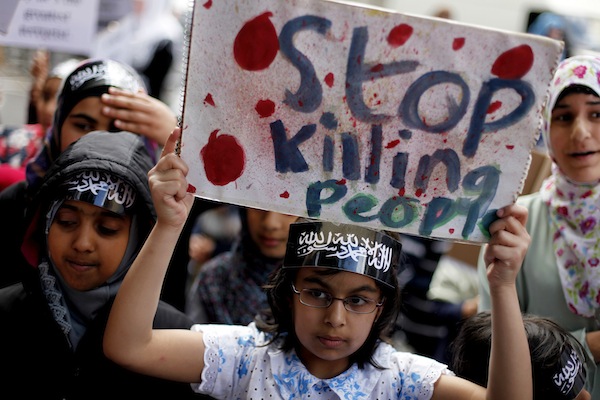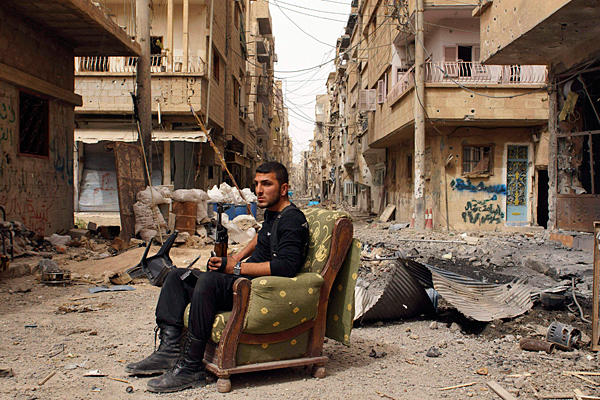
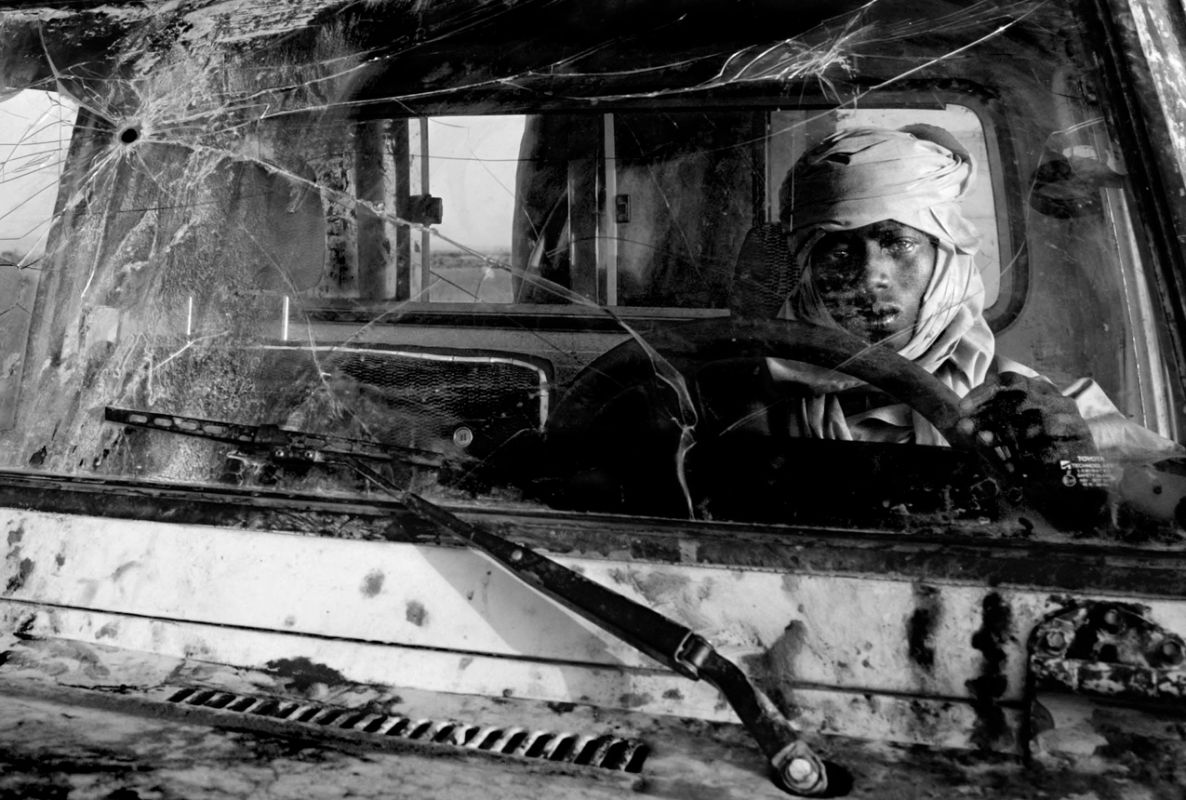
(Photo: Alvaro Ybarra Zavala / Getty Images)
It appears that Sudanese President Omar al-Bashir has his heart set on visiting the Big Apple. Bashir, indicted by the International Criminal Court (ICC) for a trinity of atrocity crimes (genocide, war crimes and crimes against humanity) has applied for a visa in order to visit the United States and speak at the UN’s General Assembly.
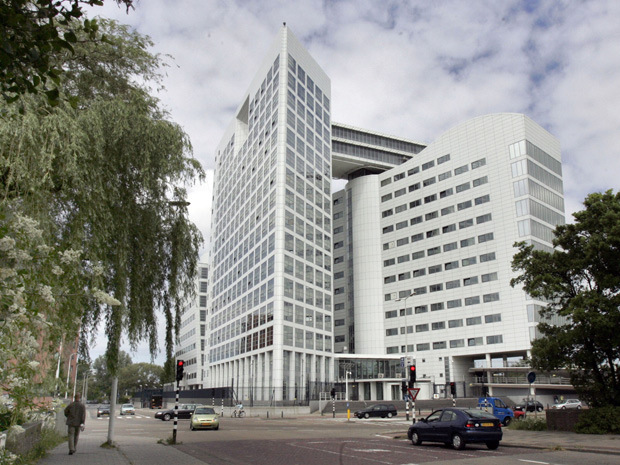
US officials have responded to Bashir’s alleged plans with a barrage of criticism. A spokeswoman for the US State Department condemned Bashir’s plans, exclaiming: “Before presenting himself to UN headquarters. President Bashir should present himself to the ICC in The Hague to answer for the crimes of which he’s been accused.”
At the same time, President of the ICC’s Assembly of States Parties Tiina Intelmann was quick to remind “States Parties on whose territory the indictee might appear while in transit of their obligation to arrest and surrender Mr.Omar Al-Bashir to the ICC.”
But will Bashir visit the US? And if he does, will the US send him packing for The Hague?
A good ploy but a bad plan?
Bashir’s alleged travel plans smell more of a ploy than a plan. And it’s not a particularly smart ploy, either.
Bashir has been a primary beneficiary of the wave of venomous criticism from African states towards the ICC in the wake of the election of Uhuru Kenyatta and William Ruto as Kenyan President and Vice President. Bashir previously received support in his fight against the ICC from African states – but nothing like what Kenyatta has received. And now that it’s a matter of “Africa against the ICC”, Bashir has much more momentum in his favour in his battle to undermine the Court.
At the same time, however, Bashir has benefitted significantly from a lack of interest amongst Western states as to whether or not he should end up in The Hague. Sure, there has been lofty rhetoric about the importance of holding those responsible for atrocities in Darfur to account. And there were public condemnations of the Sudanese President and his alleged role in the litany of atrocities committed in the region.But Western states, notably the UN Security Council’s P3 (the US, France and the UK), have given Bashir’s fate scant attention in the last few years.

Omar al-Bashir – thumbing his nose at the US and the UN?
This wasn’t by accident. Their silence came in return for Bashir’s role in ‘allowing’ South Sudan to separate peacefully in 2011 (the UK even proposed offering Bashir a deferral of any prosecution via an invocation of Article 16 of the Rome Statute as a reward for his ‘good behaviour’). Much to the chagrin of human rights and international justice advocates, it seemed entirely possible that Bashir might retire and live out his days without fear of the ICC.
Now, however, Bashir has made his fate a front-page issue in a country where influential civil society groups have long pressed for his arrest. An issue that the US administration might have otherwise ignored, they now must speak to feverishly. In the wake of the US’s awkward failure to achieve any semblance of justice for victims of chemical weapons attacks in Syria, a potential Bashir visit may present an irresistible target. Continue reading