A familiar face returns to JiC, as Andrew Jillions joins us for this timely post the need for a human-rights focused approach to France’s intervention in Mali. For more of Andrew’s post, see here. Enjoy!
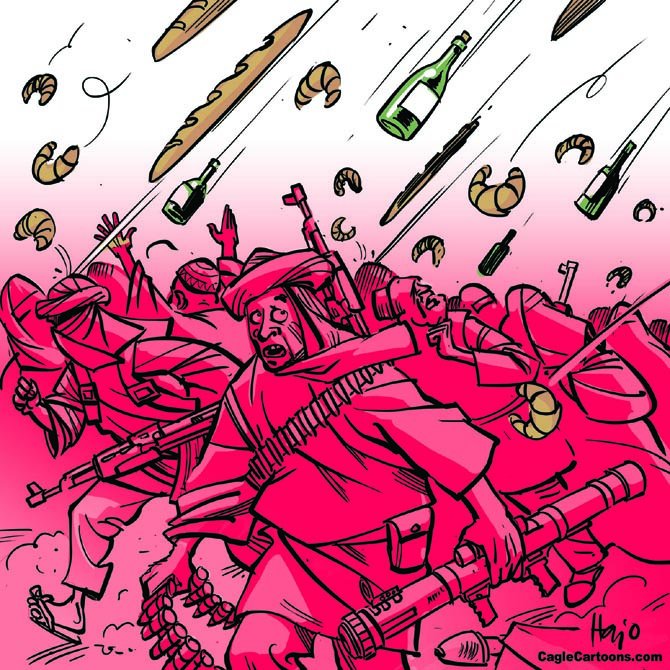
France’s intervention will amount to much more than wine and baguettes.
Where have all the humanitarians gone? It is security, security, security that has dictated the agenda in the week since France’s overnight decision to intervene in Mali. Nary a mention of human rights or humanitarian intervention. This is a big mistake with the potential to undermine longer term attempts to rebuild peace and security in the country.
Mali has for some time now been suffering from a ‘perfect storm’ of high food insecurity, desertification linked to climate change, high youth unemployment, and deep political and ethnic tensions, especially with the Tuareg minority. None of this was helped by the military takeover last March, which triggered the Tuareg rebels’ claim to independence for the Azawad states in the north of the country – a movement which the better organised Islamist forces quickly co-opted.
This is part of the reason that Ban Ki-Moon backed off from supporting the idea of an international intervention back in November. Despite admitting the urgency of the situation facing those living in the areas under the control of the various Islamist forces and the potential good that could be done with a limited intervention, he concluded that the focus needed to be on “initiating a broad-based and inclusive political dialogue aimed at forging national consensus . . . and addressing the long-standing grievances” of the communities in the north.
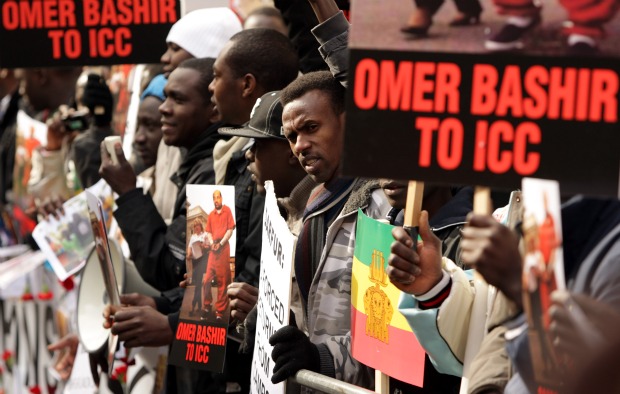
I didn’t agree with Ban’s reasoning then, and I think there’s every reason to support the French-led mission now. For one, the Islamists seem to have co-opted the legitimate and longstanding grievances of the Tuaregs for their own purposes. The Islamists are in effect an invading force – largely made up of foreigner fighters. More than that, there is very little evidence that ordinary Malians have any cultural affinity for the brutal form of Sharia law the Islamists have implemented in the regions under their control. Peacebuilding will eventually be crucial to resolving the underlying tensions, and the ICC’s timely decision to examine the crimes committed by all parties to the conflict is part of that.
More relevant is that none of this will happen until some attempt is made to stop the systematic abuses committed by the Islamists. And make no mistake, this is despicable stuff. This chilling story from one of the reputed 400,000 refugees and internally displaced peoples (with the UN expecting an additional 700,000+) fleeing the violence tells how a man accused of using tobacco had his hand chopped off. As if that was not enough, “the severed hand was tossed into a vat of boiling water, the man was pinned down and the bent misshapen hand was sewn crudely back onto his stump”.
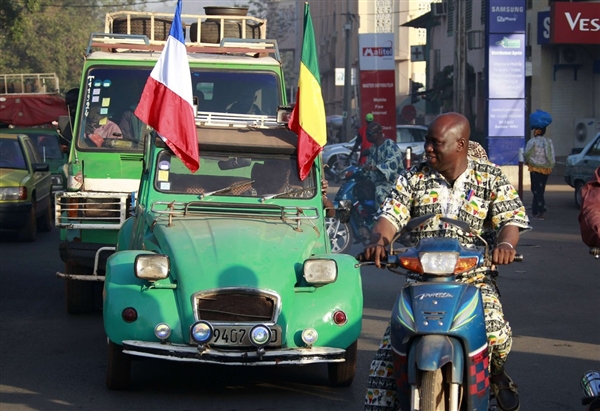
(Photo: Eric Gaillard / Reuters)
But this story – and the many others like it – are pushed to the background amid claims that this is an intervention centred on countering the security threat from Islamism. Glenn Greenwald and Stephen Walt both suggest that the Libyan adventure pushed battle hardened Islamists into Mali; that the military coup which destabilized the North was born out of US training, funding and equipment; and that the strategic effects of this intervention will only feed the perception that the West is waging a war on Islam. Which, of course, will only make it ‘necessary’ to intervene in further hot-spots in future. Continue reading