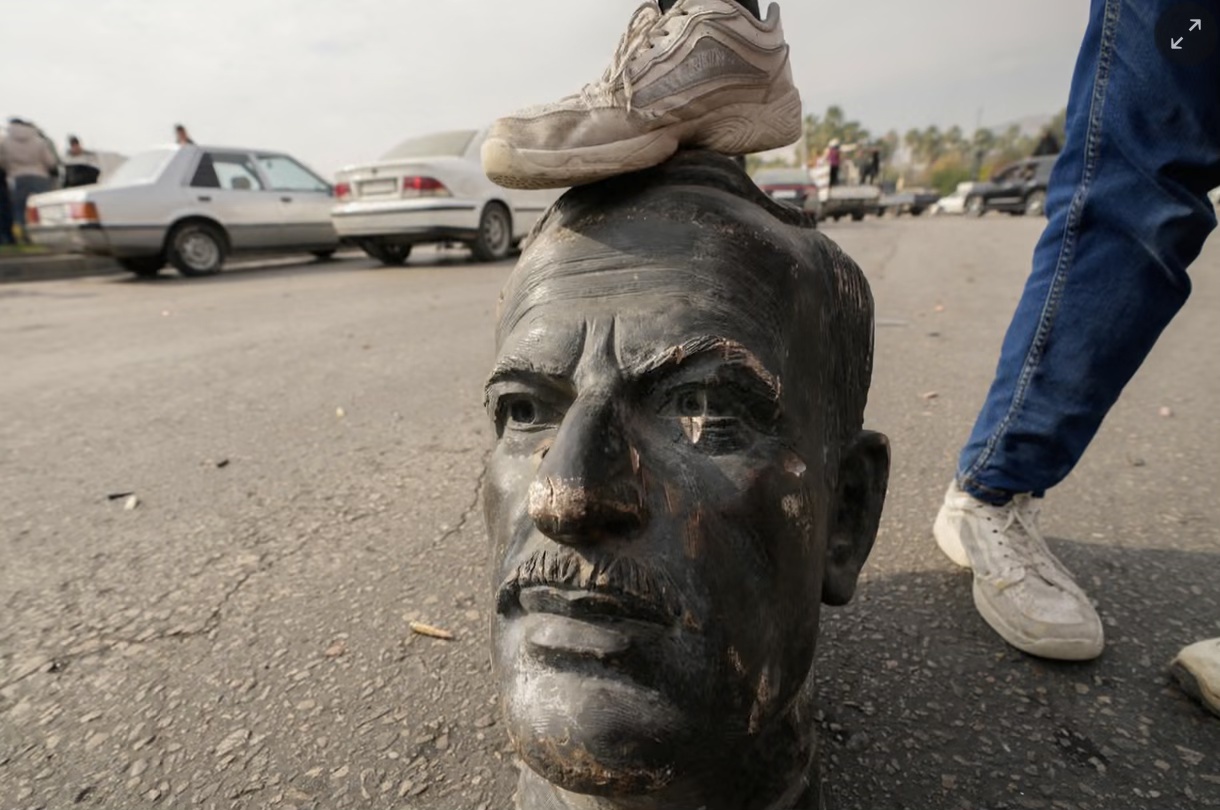

If you listen carefully, you might be able to hear the applause of wanted war criminals, despots, and dictators around the world.
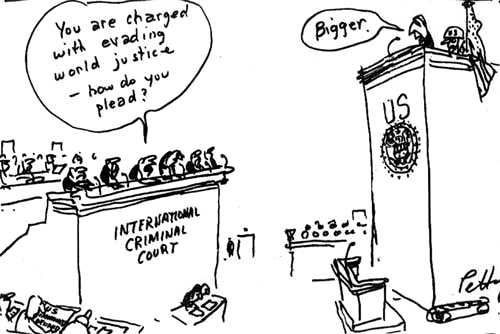
The passing of a bill imposing sanctions against the International Criminal Court (ICC) in the United States’ House of Representatives should be of concern to all countries that believe in a rules-based order. The sanctions pose a significant, perhaps even existential, threat to the world’s only permanent tribunal capable of prosecuting war crimes, crimes against humanity, and genocide. Will states stand up to support the very Court they created?
While they do not come as a surprise, America’s sanctions against the ICC will come into effect in the coming weeks. The purported reason for these coercive measures is that the Court has defied the interests of the United States, especially by investigating alleged war crimes and crimes against humanity committed by Israeli forces in Palestine as well as the Court’s decision to issue arrest warrants for Israel’s Prime Minister Benjamin Netanyahu and former Defence Minister Yoav Gallant.
But this is not the first time that Washington has sanctioned the ICC; it did so towards the end of President Donald Trump’s first term, in 2020. Indeed, the latest sanctions fit within a long-standing effort by Republican administrations to destroy the Court, beginning with the presidency of George W. Bush. What really seems to get their goat is that the ICC does not simply do America’s bidding. In that way, the incoming sanctions are something of a compliment: they indicate the independence and impartiality of the ICC, as well as its refusal to kowtow to narrow state interests that oppose accountability for mass atrocities.
The sanctions are aimed at the ICC as an institution, its staff and their family members, and those who provide material, financial, or technological support to the Court’s work in Palestine. Human rights advocates have rightly condemned the sanctions and the threats against the ICC’s independence and will continue to do so. But there is only so much they can do. The Court’s members states – including close allies of the United States – need to defend the ICC.
What does that look like?
Continue reading