Mark A. Drumbl and Barbora Holá join JiC for this concluding contribution to our Symposium on their new book, Informers Up Close. To access all of the other contributions the symposium, please see here.

So I turned myself to face me
But I’ve never caught a glimpse
Of how the others must see the faker
[…]
Changes, just gonna have to be a different man
Time may change me
But I can’t trace time
[…]
Changes, where’s your shame?
You’ve left us up to our necks in it
Time may change me
But you can’t trace time
[…]
Strange fascination, fascinating me
Ah, changes are taking the pace I’m going through[…]
I said that time may change me
But I can’t trace time–David Bowie, ‘Changes’, 1971, from the album Hunky Dory
Transitional justice is about change. Good change, supposedly. Change from repression or war to sunnier days. About the process, in David Bowie’s words, to face me, to face you, for us to face each other, and then turn to face our collective we. To cleanse the shame in which all have been left up to their necks. Change from venality and secrecy to purity and transparency. Progressive change. Forward change. We come out, in Bowie’s words, as ‘different’ – new and improved, for the better.
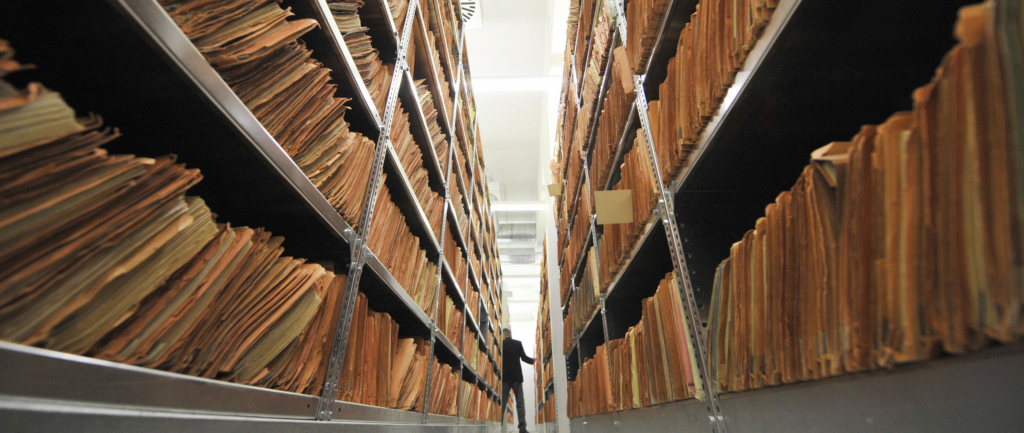
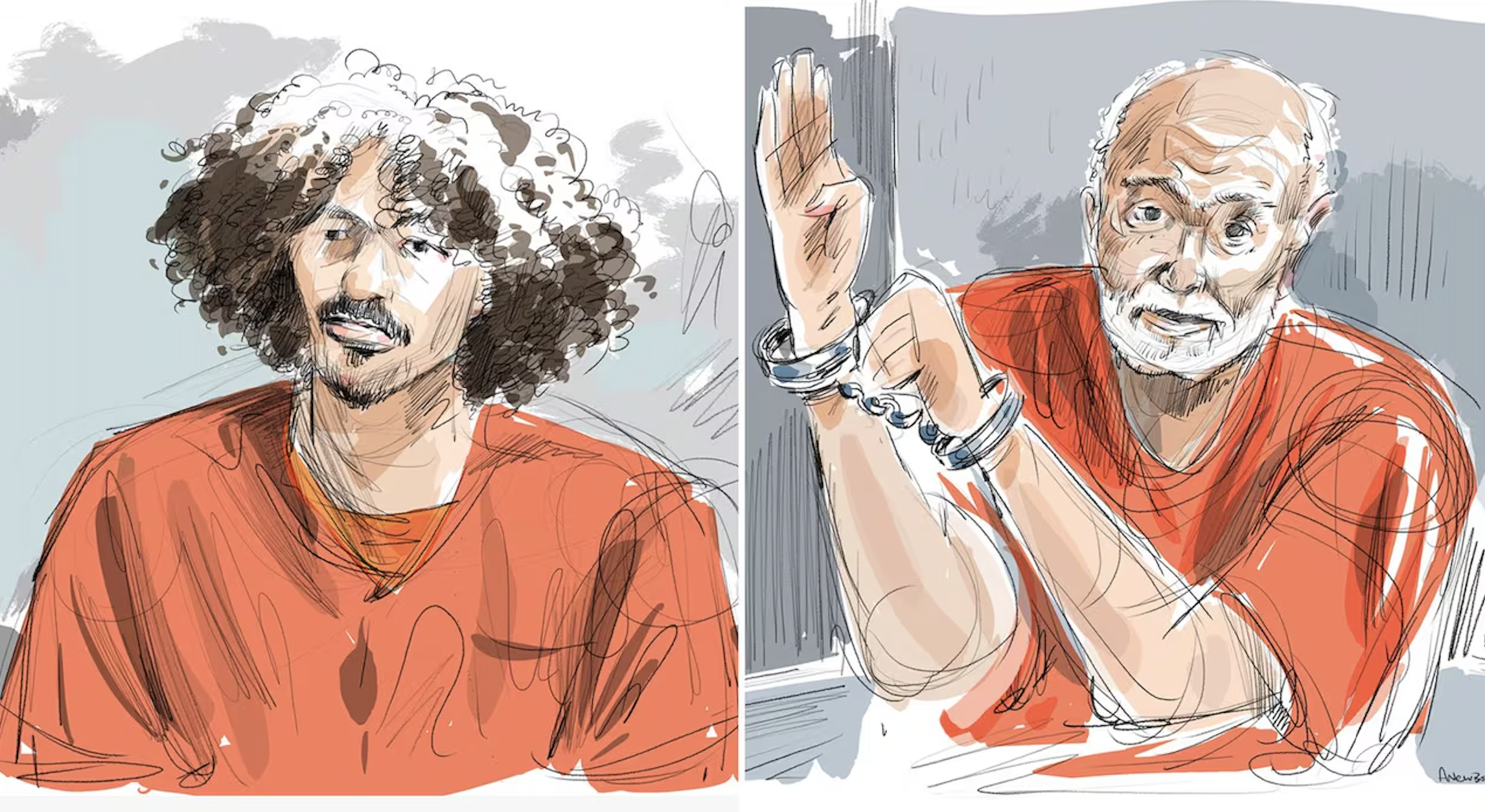
The change of transitional justice is to change the we as well as the me and the you. And so it goes for informers. They change from fooling others to becoming fools. Informers Up Close documents how they become scapegoated and revealed as fakers. Informers are put in front of a mirror. They are exposed through file-openings, thereby collaterally damaging all their naked informed-upons. Informers are fired and flattened. They are not considered victims of a regime that had indeed often abused them. Although, as Novak Vučo and Vladimir Petrović note, top state security brass might have been able to broker power in Communist Czechoslovakia, their bevvy of informers largely remained marginal. Many betrayed others for breadcrumbs and scraps; to feel useful; or to find some panache in the pinch of penury. In the end, placing informers in front of a mirror enables many others to avoid self-examination. The others see the fakers very disdainfully and thereby might not grasp the complicity that lurks in themselves.
Continue reading