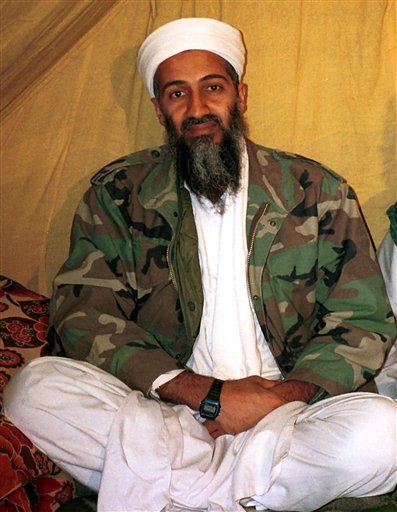
Last night, US President Obama announced that a US special mission had killed Osama bin Laden. Many had described bin Laden's death as "justice" (Photo: AP)
Last night, President Barack Obama announced to eager audiences around the world that America’s most wanted man, Osama bin Laden, had been assassinated. Obama described bin Laden’s death by declaring that “justice has been done.” People around the globe are echoing this sentiment – that bin Laden’s death amounts to “justice”.
Looking at my twitter feed and facebook page, dozens of people are invoking the same notion of justice in bin Laden’s death. Leaders and former leaders around the world have also expressed their views:
George W Bush: “The fight against terror goes on, but tonight America has sent an unmistakable message: No matter how long it takes, justice will be done.”
Tony Blair: “The operation shows those who commit acts of terror against the innocent will be brought to justice, however long it takes”
Canadian PM Stephen Harper “death of Osama bin Laden…secures a measure of justice.”
Kenyan President Mwai Kibaki: The killing of Osama Bin Laden is an “act of justice” for the victims of the 1998 bombings at the US embassy
Executive director of the 9/11 Commission, Philip Zelikkow: “We take a great deal of satisfaction in the news that Bin Laden has been brought to justice.”
Former US Vice President Dick Cheney: “bin Laden has been brought to justice…Today, the message our forces have sent is clear — if you attack the United States, we will find you and bring you to justice.”

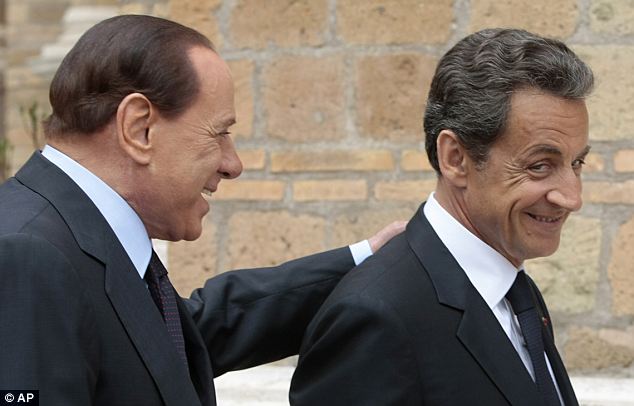
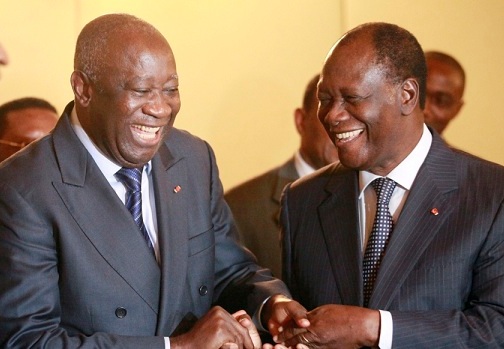
Both former Bush and Blair called the death of bin Laden "justice" (Photo: PA)
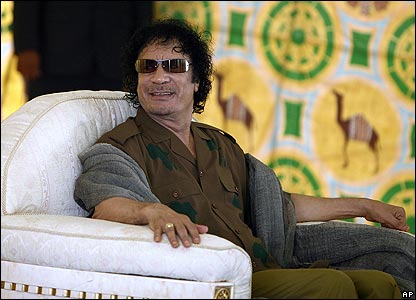
But is bin Laden’s death really “justice”? Can killing someone ever be justice? If so, what type of justice is it? If it is just to assassinate bin Laden, who will surely go down as one of history’s most brutal antagonists, shouldn’t that mean that killing Gaddafi amounts to “justice” as well?
First, it is important to note that the legality of assassinating bin Laden rests on shaky grounds, at best. The US justifies killing members of al Qaeda by virtue of being at “war” with terrorism and thus considering al Qaeda operatives as “enemy combatants”. Nevertheless, the legality of targeting individuals with extra-judicial assassinations under international law is precarious. The US has recognized this fact in the past.
Of course, this is not to say that justice equates with what is legal or that what is legal equals what is moral. In 1964, Judith Shklar, warned us of the dangers of legalism, conflating morality with law which risked neglecting or obscuring context.
The instinct of those celebrating bin Laden’s death is that some things, or better some people, are so exceptionally bad that they make law irrelevant. The legality of killing bin Laden doesn’t really matter, it is the “right thing to do” and therefore constitutes “justice”.
Justice is more complicated than it is simple. Justice may be retributive, restorative, distributive, or procedural. For some, justice is primarily moral, for others it is legal, and for others still it is emotional. For many it is all of the above and there may be no difference between the moral, legal and emotional arguments for what is just.

Photo: Reuters/Chip East
If the “justice” of bin Laden’s death cannot be supported by international law, what kind of justice is it? What people appear to be invoking is a sense of physical, non-legal retributive justice: the killing of bin Laden is his due punishment. The extermination of his life avenges the lives he extinguished. And it must be reiterated, that this was always about killing bin Laden. The US special operations mission was to kill bin Laden, not to capture him.