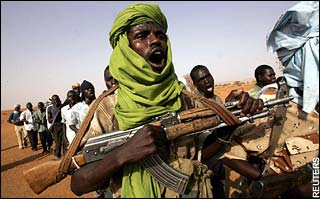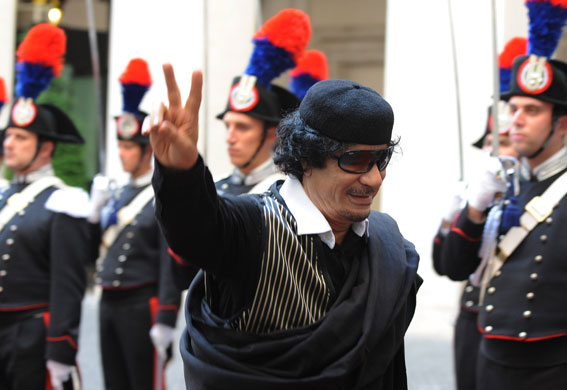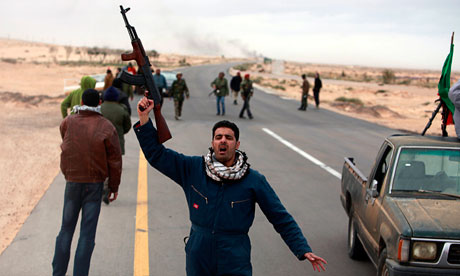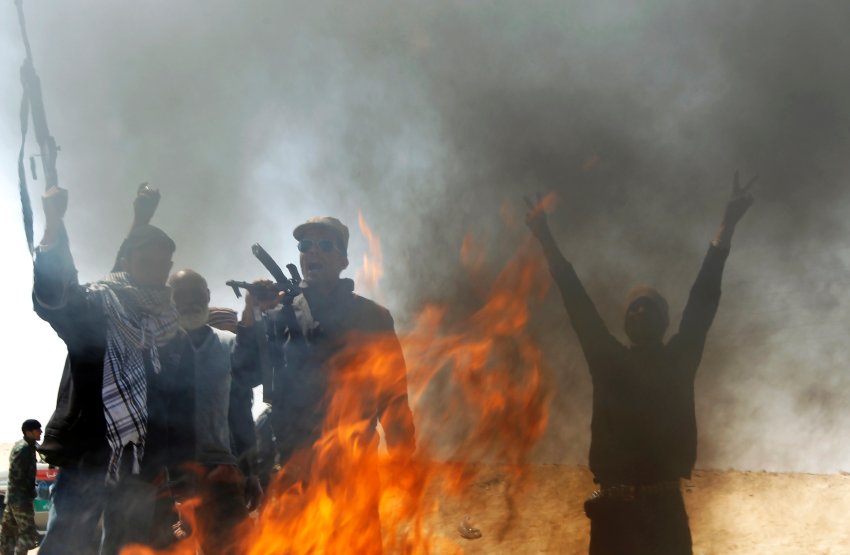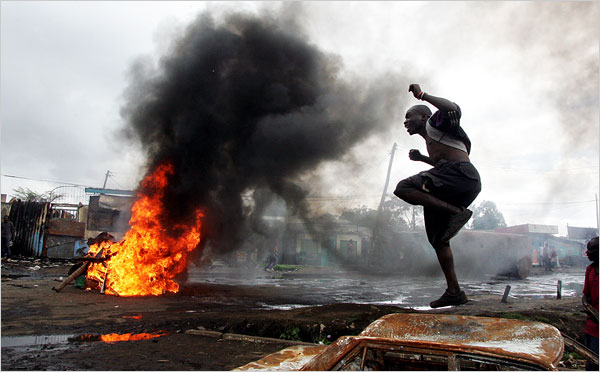
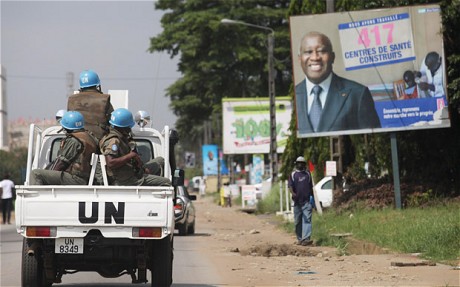
The ICC is likely to open an investigation into alleged crimes in Ivory Coast (Photo: Telegraph)
The ICC wants in. The Court’s Prosecutor has expressed a desire to investigate potential crimes committed in the Ivory Coast. If the ICC is to judicially intervene in the Ivory Coast it will need to both actually stay above the political fray as well as appear to stay above the fray. Its chances of doing so are better if the Prosecutor initiates an investigation proprio motu – by his own volition.
Last week, ICC Prosecutor Luis Moreno-Ocampo indicated that his office would like to investigate alleged crimes in Ivory Coast. Ocampo declared that:
“We are discussing with some (ICC) state parties, particularly within the region, if they wish to refer the case. That would help to expedite the activities of the court…What we are doing now is collecting information in order to open an investigation there. We are concerned about the recent information of massive atrocities in the west of Ivory Coast and we are trying to define exactly what happened there.”
In short, Ocampo may open an investigation proprio motu but would prefer to do so with a referral by the UN Security Council or member-state from West Africa.
The decision of Ocampo to seek a referral rather than open an investigation proprio motu has stumped some observers. Kevin Heller, over at Opinio Juris, opined that the Prosecutor’s angle on investigating alleged crimes in Ivory Coast “is just dumb”, given that the Prosecutor must identify reasonable grounds to open an investigation regardless of whether he seeks a referral or opens an investigation proprio motu. Heller concludes that:
“States fought long and hard to ensure that the Prosecutor has proprio motu powers. Moreno-Ocampo finally got over his ridiculous love of self-referrals with the Kenyan situation; if he wants to investigate in Cote D’Ivoire, he should — to quote the famous Greek philosopher Nike — just do it.”
I agree that opening an investigation into potential crimes in Ivory Coast proprio motu is the correct course of action. The nature of the violence in Ivory Coast suggests that all parties to the conflict there may be implicated in atrocities and human rights violations. Initiating an investigation proprio motu would allow the Court to appear unbiased as it accumulates evidence and investigates crimes.
I have no doubt that the Office of the Prosecutor of the ICC will investigate all sides of the conflict and conduct its investigation impartially. However, one of the more important lessons drawn in recent years has been that justice must not only be done, but must be seen to be done. It may be just as important that an investigation is seen to be impartial as whether or not it is, in fact, impartial.
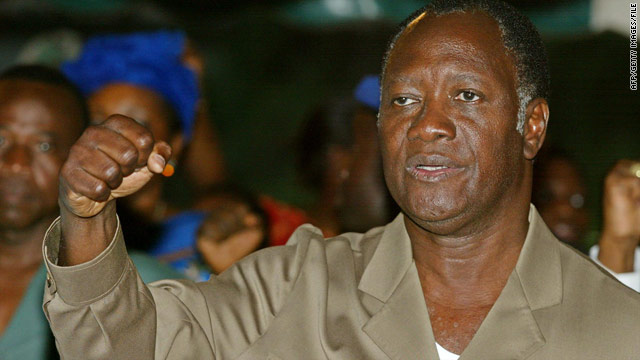
Given alleged abuses by Ouattara's forces, one observer wondered whether he was a "hero or a villain" (Photo: CNN)
It has become painfully evident that atrocities have likely been committed by both sides in recent days. Despite being granted the legitimacy of the international community following the election victory of Alassane Ouattara over Laurent Gbagbo, the Ouattara camp has recklessly squandered the world’s good will by allegedly committing abuses against Gbagbo supporters. On April 9th, Human Rights Watch declared condemned the actions of Ouattara’s troops:
“Forces loyal to President-elect Alassane Ouattara killed hundreds of civilians, raped more than 20 alleged supporters of his rival, Laurent Gbagbo, and burned at least 10 villages in Côte d’Ivoire’s far western region.”
Column Lynch of Foreign Policy recently wondered whether Ouattara was a hero or a villain, noting that:
Ouattara’s standing as Ivory Coast’s new leader is already being tarnished amid reports that forces loyal to his cause have engaged in gross human rights abuses during an offensive aimed at driving Gbagbo from power.