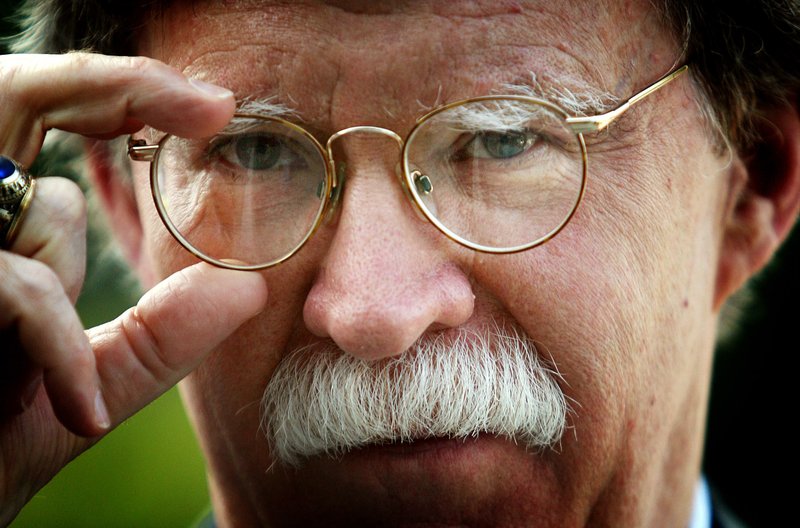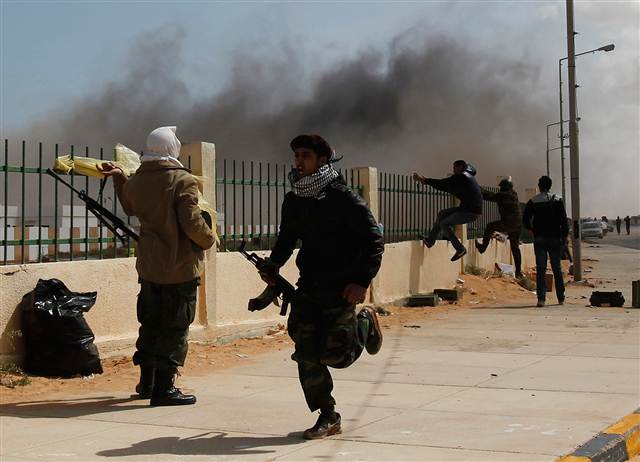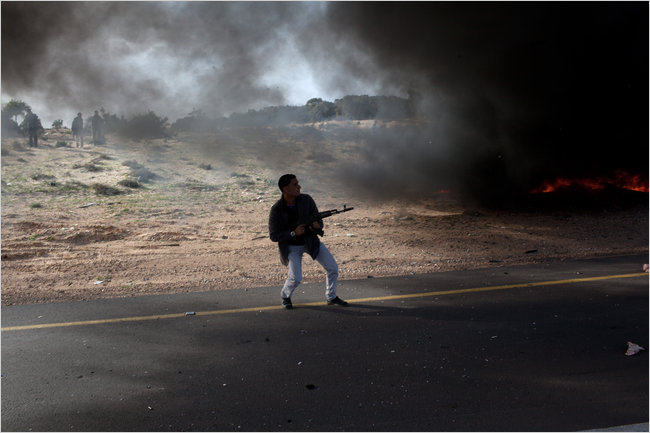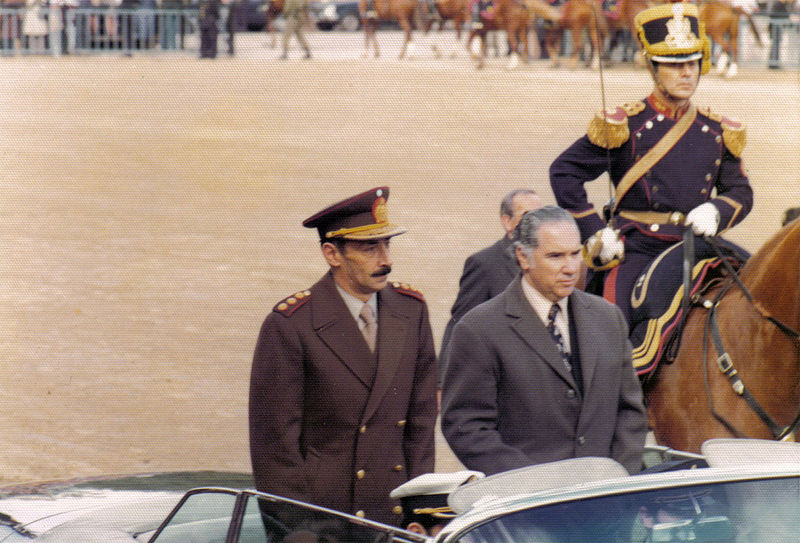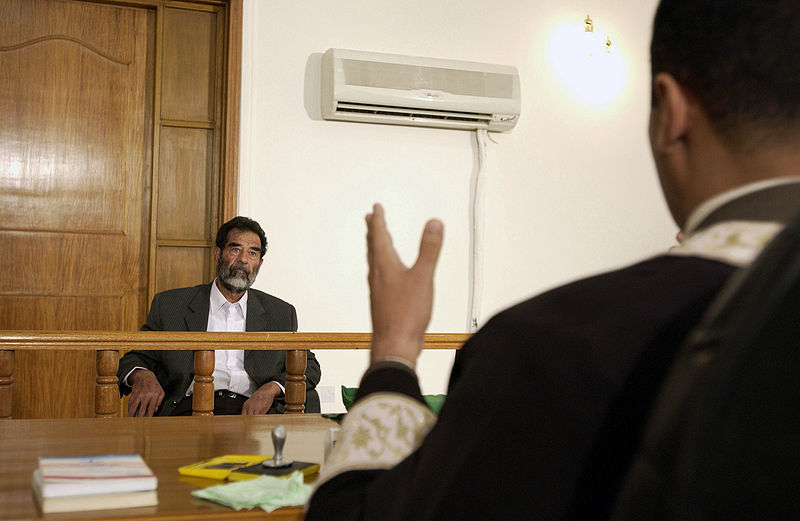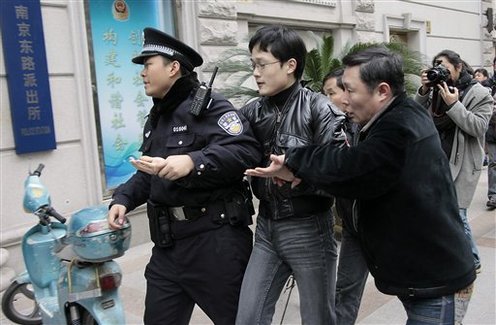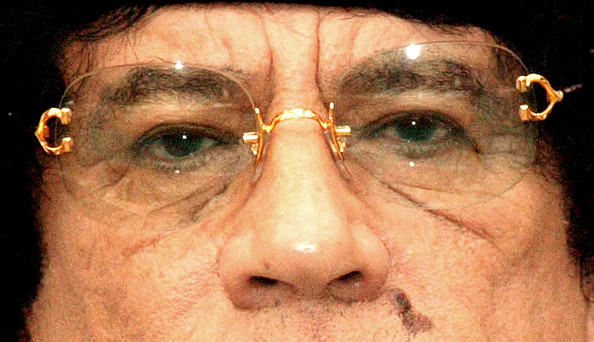
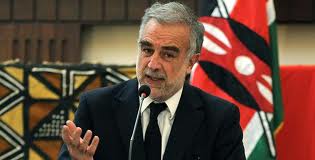
The six alleged perpetrators are referred to as the "Ocampo Six" (Photo: rnw.nl)
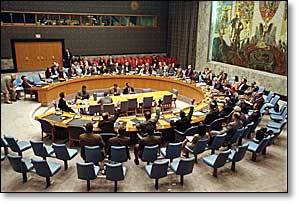
On the same day that the ICC summoned six senior Kenyan officials to appear before the Court to face charges linked to post-election violence in 2007/2008, Kenya officially asked the UN Security Council to suspend the ICC investigation under Article 16 of the Rome Statute. A number of the six senior officials, including the current Prime Minister and Finance Minister, the Minister of Higher Education as well as key political allies of the current government, have previously offered to appear before the Court. Will they fulfill their commitment? Will they have to?
Following the Kenyan Presidential election in 2007, in which incumbent Mwai Kibaki was declared the winner, violence, largely inspired by ethnic and socio-economic tensions, erupted. The result was 1,200 casualties and hundreds of thousands civilians fleeing from their homes. Originally, it appeared that Kenya would investigate the crimes through its own judiciary by setting up a tribunal to examine the post-election violence. Under the ICC’s complementarity regime, which stipulates that the Court can only investigate crimes when a state is unwilling or unable itself to investigate and prosecute, the ICC would not have been able to open an investigation. However, as it became clear that Kenya, a member state of the ICC, was unwilling to open a credible investigation into post-election crimes, the situation fell within the jurisdiction of the Court. Last December, ICC Prosecutor Luis Moreno-Ocampo named six officials, dubbed the “Ocampo Six”, as allegedly bearing the most responsibility for the violence, which Ocampo described as constituting crimes against humanity.
Immediately, fears arose that the Court’s pursuit of accountability could destabilize the fragile peace in Kenya. The country appears divided between those who welcome the Court’s investigation in the hope that impunity at the highest political levels will end and those who worry that targeting these senior political officials may catalyze renewed violence. The Kenyan Parliament even voted to pull out of the ICC’s Rome Statute. In short, the peace-justice debate has been in full-swing in Kenya.
One of the more interesting elements of this story was the willingness on the part of the alleged Kenyan perpetrators to appear before the Court. Unlike numerous other high-profile, political figures, some of the “Ocampo Six” declared that they would voluntarily appear at the ICC. William Ruto, the Minister of Higher Education and an influential figure in Kenya’s Rift Valley where the most brutal violence occurred, maintained that while he felt the charges were politically motivated, he was prepared to face justice. In reaction to the summonses, two alleged perpetrators – former police chief Mohammed Hussein Ali and Joshua arap Sang, a radio executive – have said they would appear before the Court in order to prove their innocence.
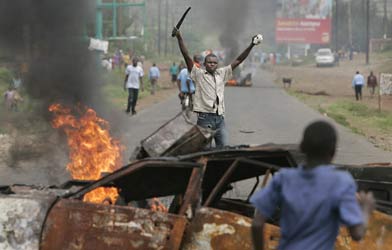
The ICC has named and summoned six Kenya officials for their role in the 2007 post-election violence (Photo: CBC)
Kenya appears to be employing a two-pronged approach to the question of accountability. On the one hand, the accused officials have said they would face justice with a clear conscience in order to clear their names. On the other hand, the government has gone on a diplomatic road-show to persuade states that the ICC’s investigation should be deferred by the UN Security Council. They argue that Kenya is now prepared to open its own local tribunal to examine the post-election atrocities. President Kibaki has said that a local tribunal “will boost our efforts [for] peace, justice and reconciliation as well as uphold our national dignity and sovereignty; and prevent the resumption of conflict and violence.” In a significant diplomatic victory, Kenya received the backing of the African Union in its bid to defer the Court’s investigations. In other words, the accused have said they would fight the charges at the ICC while the government in which many of them hold key posts has worked tirelessly to ensure they would never have to.