
Teddy Nicholson gives his final thoughts on the Assembly of the States Parties to the Rome Statute of the International Criminal Court. His focus is on the controversial negotiations which resulted in a smaller than hoped for budget for the Court, despite an ever-growing caseload. For other analyses of this under-explored subject, see here, here and here.
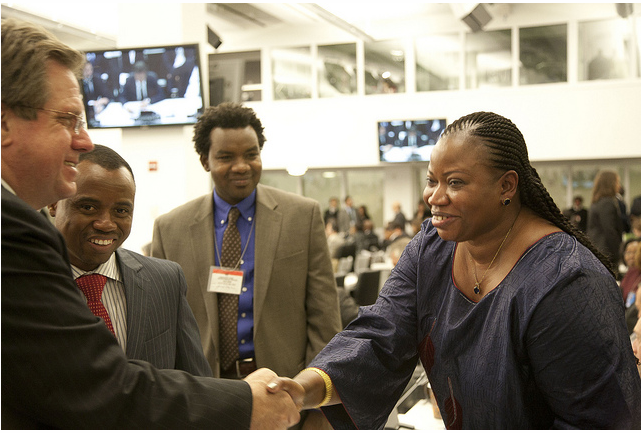
New ICC Prosecutor, Fatou Bensouda, is greeted by the CICC's Bill Pace (Photo: CICC)
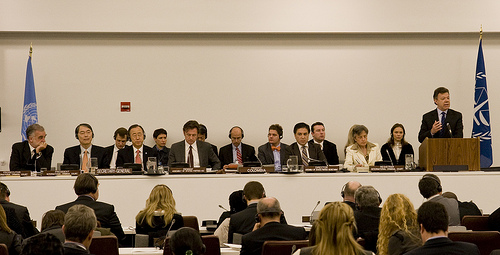
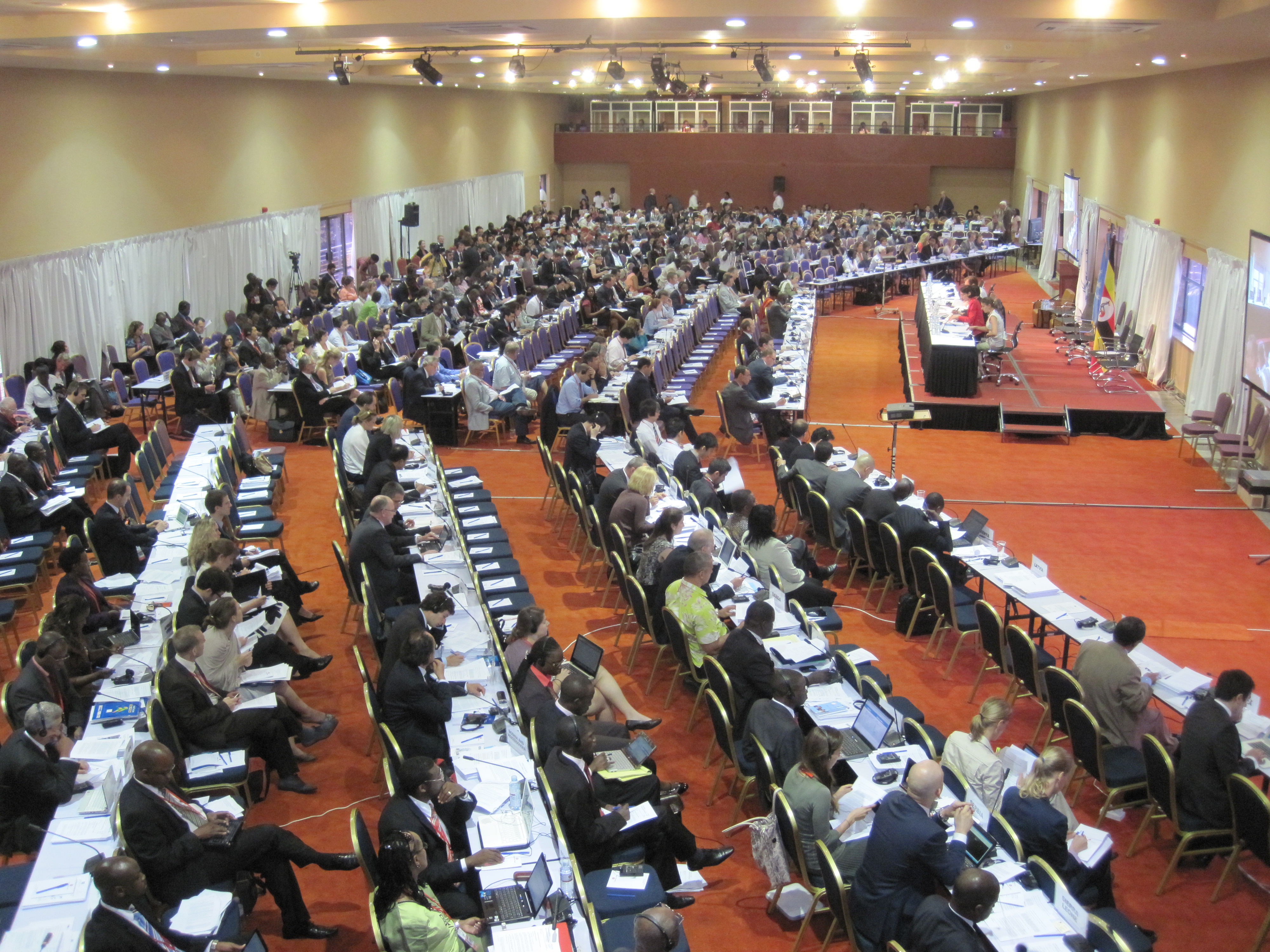
The 10th Session of the Assembly of States Parties is now over, the debates are finished, the resolutions are adopted and the receptions and parties have come to an end. It has been an incredibly hectic few weeks, culminating in some dramatic negotiations with high stakes.
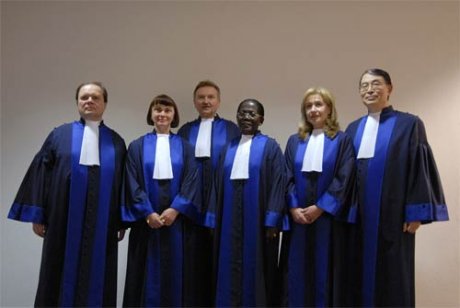
My last post on the ASP explained the incredible complexity of the process by which judges are elected. Those elections in the end ran to fifteen rounds of voting with the first three judges elected in the initial two rounds, and then about ten rounds with no result followed by the final three elected in the 12th, 13th and 15th rounds. For those keeping track, the six new judges are from Trinidad and Tobago, Philippines, Czech Republic, Dominican Republic, UK and Nigeria.
The biggest consequence of how long these elections ran, however, was that the negotiations on the other big issues were significantly delayed. The work on the ICC budget became by far the most difficult and politically contentious debate, and it was squeezed into the space of four days – Friday, Saturday, Monday and Tuesday, running late into the night on most of those days.
The battle-lines were effectively drawn between a group of five states, Japan, France, UK, Germany, Italy (the five biggest contributors to the ICC) and everyone else. Those five had prepared a paper detailing their proposal for a ‘zero nominal growth’ budget, meaning the same number as the 2011 budget.
The main problem with this, as many states pointed out in official and informal meetings, was that the work of the ICC is expanding fast. A year ago the ICC had five country situations on its agenda, today it has seven – a 40% increase in one year. This means that holding the budget at 2011 levels was extremely unpopular both as far as the Court and most states were concerned.
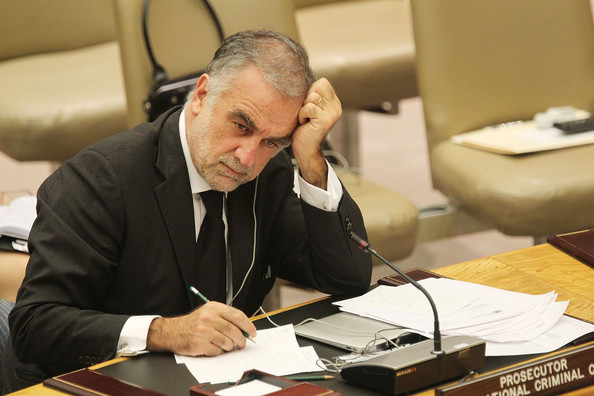
ICC Prosecutor Luis Moreno-Ocampo at a UN Security Council briefing on the ICC's investigation in Libya (Photo: Mario Tama/Getty)
Mark has previously discussed the budget issues facing the Court, pointing out accurately that there is nothing just about limiting the activities of the Court according to financial concerns, and this was a common argument in New York. The Committee on Budget and Finance (CBF) whose job it is to analyse the Court’s budget proposal, stated bluntly in their report this year:
“Simply put, the Court is reaching the point when the expectations on the type and level of activities and on the level of resources may be diverging.”











 Justice in Conflict