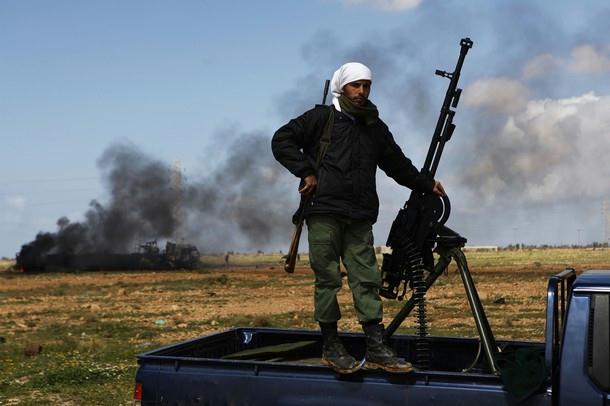
Waiting: a Libyan rebel stands as wreckage caused by a NATO attack burns behind him (Photo: Reuters)
While diplomats from all interested parties may not be willing to describe it as such, the crisis in Libya has reached the negotiation phase. Foreign ministers crisscrossing around the world, dropping in on various national capitals, testing the waters by suggesting things like “Gaddafi can stay in Libya but not in power” and “he can be in an adjacent room during negotiations” – all of this is setting the table for the parameters of negotiations and setting the tone for what now appears to be an inevitable series of peace talks between the Gaddafi regime and the rebels’ National Transitional Council (NTC).
On some level, it is hard not to welcome peace negotiations in Libya with open arms and optimism. The crisis has dragged on for four months now and, should it continue to drag on, the only obvious and predictable dynamic will be that every day more Libyans will be killed and more of the country will be destroyed. To all parties involved, from NATO to the AU, the rebels and pro-Gaddafi forces, the only way this spiral of violence can be arrested is by negotiating a resolution to the conflict.
But the emergent zeal for a negotiated settlement also carries with it less optimistic elements. First of all, even if Western diplomats won’t admit it, the enthusiastic mobilization for peace talks means that the international community has lost confidence in the ability of the rebels to emerge victorious, even with NATO support. This may be because they believe the rebels are inherently incapable of successfully taking over Tripoli or because the sun is setting on NATO’s mission in Libya. As has been reported, tensions and cleavages have quickly emerged within NATO powers and amongst its regional allies. Regardless, the result, it would seem, is that the international community believes that some form of power-sharing agreement between the rebels and Gaddafi’s regime must be negotiated.
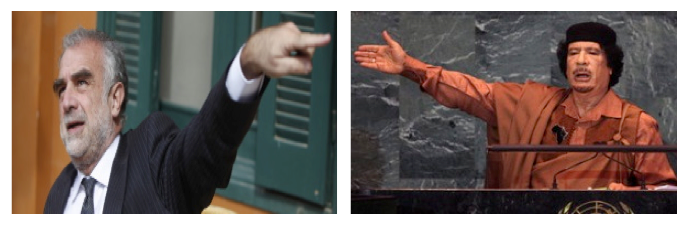
It is in this context that the waters are being tested for peace negotiations and the boundaries of potential negotiations are being drawn. The most pressing boundary is the role of Col. Gaddafi in the negotiations and his fate once talks have concluded. Both the rebels and the Western powers have drawn their line in the sand: Gaddafi cannot directly partake in negotiations nor can he remain in power following a resolution to the crisis.
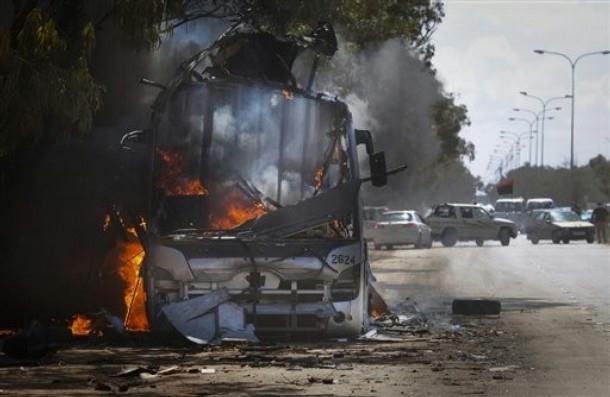
The only guarantee, if the crisis in Libya continues, is that people will lose their lives and the country will continue to be destroyed (Photo: AP)
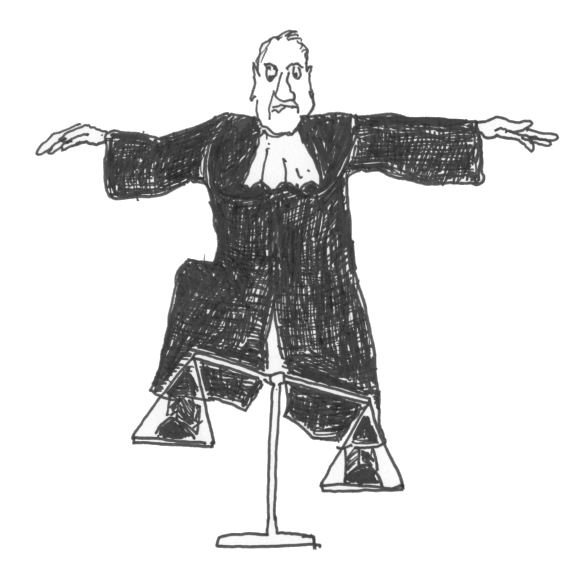
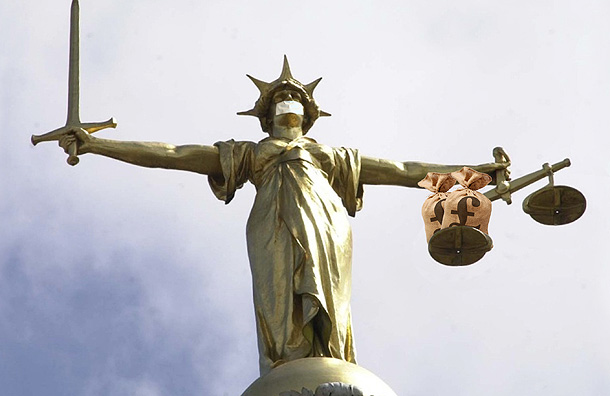
What to do about justice? As I have argued previously, to date there was no evidence that the ICC was in tension with peace in Libya. But with the onset of peace negotiations, the potential tensions between peace and international criminal justice become more obvious, clear and precarious.
In Libya, these tensions have begun to emerge on four levels:
1. Let’s Get this Straight: The Contradiction of Western Power Positions
A number of Western states involved in the conflict, notably France and Britain, have begun to refine their “exit solution” for Col. Gaddafi, saying that while he cannot be allowed to retain power, he may be allowed to remain in Libya.
Meanwhile, these governments have declared that Gaddafi must be arrested and brought to the Hague – although, dubiously, never in the same statements regarding peace negotiations. They were at the vanguard of the UN Security Council’s resolution to refer the situation in Libya to the ICC. It bears asking whether the persuasion of states like the UK and France in support of the referral was the result of a desire to instrumentalize the Court in efforts to put pressure on and marginalize Gaddafi rather than because of any steadfast conviction of the need to bring Gaddafi to justice. Regardless, by simultaneously holding these two contradictory and apparently mutually exclusive positions, these governments undermine the pursuit of international criminal justice.