
(Photo: Mashable)
It wasn’t nearly as close as the pundits and media suggested. As of writing, it seems that Barack Obama may have defeated Mitt Romney by as many as 100 electoral college votes in the United States Presidential election. Many Americans are relieved. But, at least according to some analyses, it would seem that it is people outside of the US who are most comforted by Obama’s victory. For them – as my Facebook newsfeed overwhelmingly attests – the future of the Land, Home and the World of the free and the brave hinged upon an Obama victory.
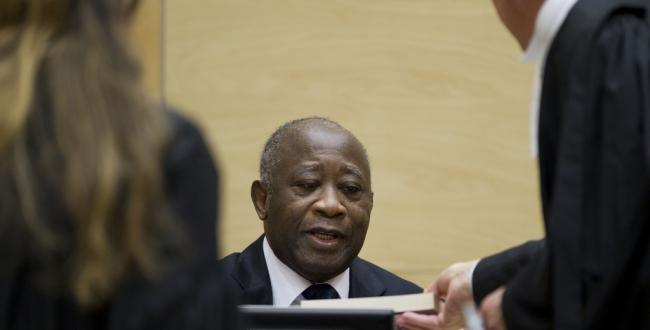
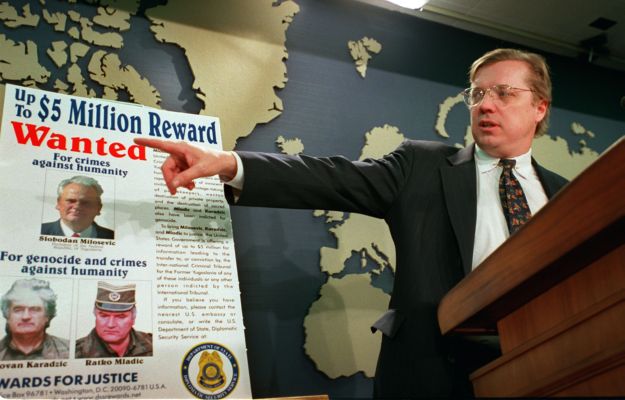
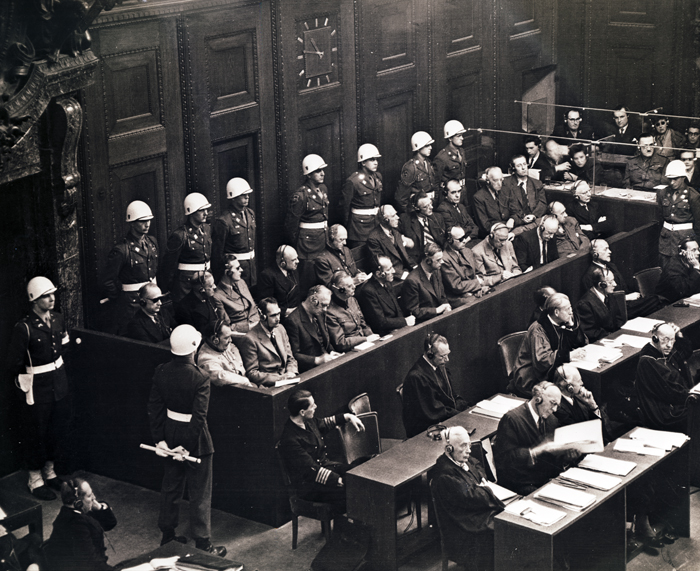
Many in the international justice community undoubtedly have a glimmer of hope that, at some time during the next four years, Obama will re-sign the Rome Statute of the International Criminal Court (ICC). After all, this time around Obama doesn’t have re-election to worry about and he would seem to be infinitely more likely to sign the Statute than any Republican President. What’s more, all it would take to re-sign the Rome Statute would likely be a brief statement from Obama deposited at the United Nations. But proponents shouldn’t hold their breath. While there are encouraging signs that the US will engage positively with the Court, the likelihood of the US joining the ICC remains slim.
As many critics were wont to point out, the Obama team ran a rather ambiguous campaign. It should thus come as little surprise that the administration didn’t say what it would do with regards to the ICC. According to the American Non-Governmental Organizations Coalition for the International Criminal Court,
“As in the 2008 platform, the Democratic platform does not explicitly mention the ICC. It does, however, repeat the commitment expressed in 2008 about bringing to justice those who commit genocide and war crimes… The decision not to include the ICC by name reflects the cautious, case-by-case approach of the Obama administration which would likely prefer not to debate the issue of the ICC with the most vocal elements of the Republican party which negotiated the Republican platform and remain hostile to the Court.”
Despite this silence, there are real reasons why the Obama administration could be hesitant to join the ICC. Here are four.
Firstly, the American Servicemembers’ Protection Act (ASPA 2002) remains in force and continues to prohibit any enhanced cooperation between the ICC and the US. It is important to remember that such legislation would likely have to be repealed before the US joined the Court and there appears to be little chance of that happening any time soon.
 Second, there is the not-so-little issue of alleged crimes committed in Afghanistan and Iraq. American officials likely (and probably rightly) fear that if the US acceded to the Rome Statute and accepted the ICC’s jurisdiction back to 2002, it would be vulnerable to an investigation by the Court for its actions in Afghanistan and Iraq. David Scheffer recently argued that proponents of the US joining the ICC should have a prospective-oriented position on US accession, one which seeks to align future American behaviour with international criminal law but does not punish it for past decisions and actions. This could plausibly be achieved if the ICC’s jurisdiction over the US began only from the date the US ratified the Rome Statute. Still, Scheffer’s comments reflect the unlikelihood of US accession if doing so without some guarantees that doing so would preclude an investigation and possible prosecution of any American officials for what was done in Iraq and Afghanistan. Of course, this is also problematized by ASPA, which declares that the US President may authorize “all means necessary and appropriate to bring about the release of any US or allied personnel being detained or imprisoned by, on behalf of, or at the request of the International Criminal Court”. Continue reading