
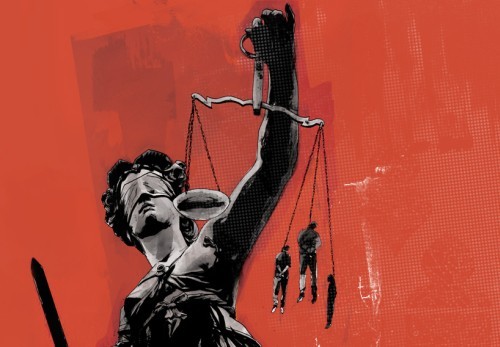
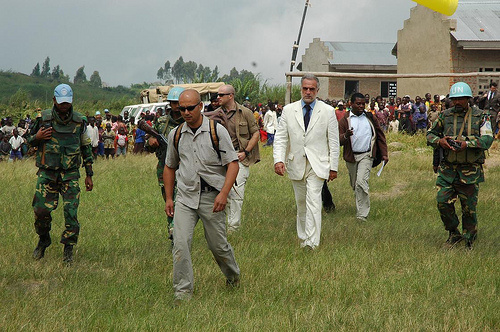
(Photo: filmjunk.com)
Somewhere in Sudan, Ali Kushayb is recovering from injuries that very nearly took his life. Kushayb, a Janjaweed leader wanted by the International Criminal Court (ICC) on allegations that he committed crimes against humanity in Darfur, was attacked in an apparent assassination attempt earlier this month. Had Kushayb been killed, would it have counted as justice? What is the role of death in the achievement of justice?
Death is central to the story and practice of international criminal justice. Too little death and there would be little-to-no need for institutions like the ICC or other tribunals examining conflict and post-conflict violence. Too much death, along with well-placed images of it, trigger interest in whether people should ‘get’ justice and who should deliver it.
Some argue that the role of international tribunals is to prevent death, to “stay the hand of vengeance”. It is argued that the existence and threat of retributive justice that international criminal courts pose, in and of themselves, can deter leaders from committing crimes in the future. Others argue that this is a groundless claim and wishful thinking. Death will march on, ICC or no ICC.
International criminal justice was created with the explicit intention of replacing the practice of killing adversaries with a judicial system that could bring them to account for their crimes. The Nuremberg Tribunals that prosecuted top-level Nazi perpetrators following WWII marked a dramatic shift in how perpetrators would be dealt with. Despite the desire on the part of many key figures (including senior American and British officials) to summarily execute the likes of Hermann Göring, Hans Frank and Rudolph Hess, the view that trials – and not immediate death – would best serve justice ultimately prevailed.
Yet the seductive appeal of crudely ridding the world of ‘evil’ remains: what if the ‘bad guys’, the really, really bad guys – like those indicted by the ICC – were just killed? No trial. No dragging on of costly courtroom drama. No negotiations. Just the elimination of perverse international criminals. Would that count as justice?
Surprisingly, many seem to believe the answer is yes. Take three examples.
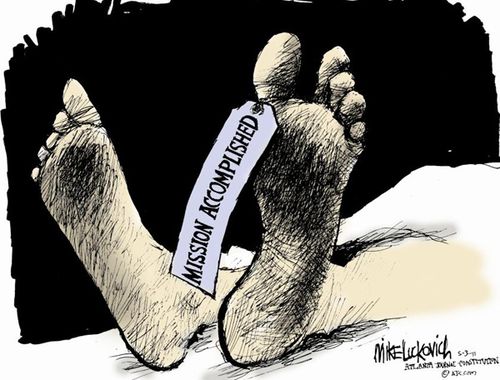
(Cartoon: Mike Lukovich)
The reaction to the death of Osama bin Laden clearly indicated that freedom and rights loving people were more than willing to conflate killing and justice. Thousands, if not millions, of people did not simply celebrate the fact that Osama bin Laden was ‘gone’. They celebrated bin Laden’s death as an act of justice. And if anyone was confused as to whether it really did count as justice, President Obama was clear:
“Justice was done and I think that anyone who would question that the perpetrator of mass murder on American soil didn’t deserve what he got, needs to get their head examined.”
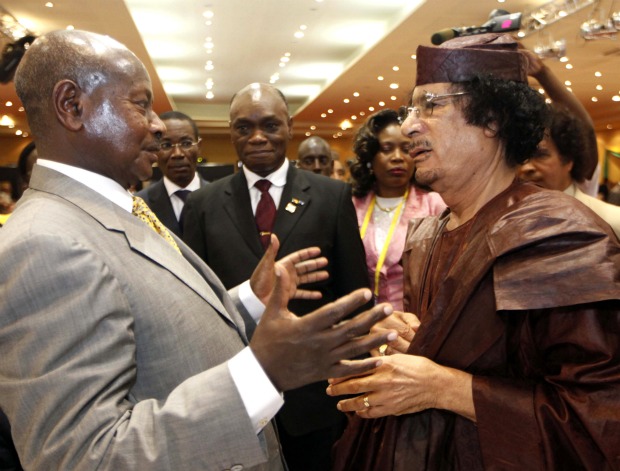
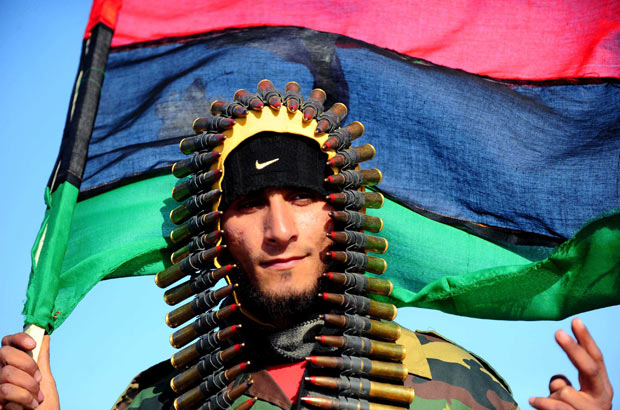
In October 2011, when Muammar Gaddafi was killed by rebels, it was likewise seen, in and outside Libya, as a final and just act in Libya’s Revolution and Civil War. This perspective was somewhat complicated by the fact that Gaddafi’s grisly last moments were caught on video and raised suspicions that his death constituted a war crime. Still, after a brief salvo of concern, the matter was quickly dropped. After forty years of Gaddafi dictatorship, the over-arching sentiment seemed to be that he got what he deserved. As then Secretary of State Hilary Clinton stated upon learning of Gaddafi’s death: “We came, we saw, he died.” Continue reading






 Justice in Conflict