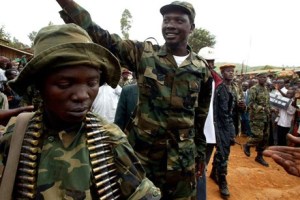
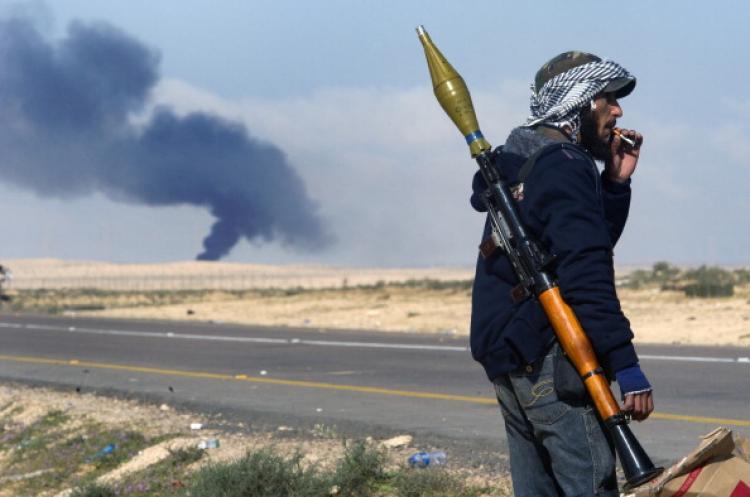
Photo: Reuters
Earlier this week, the International Criminal Court released the Trial Chamber’s decision on the principles and procedures to be applied to reparations following from Thomas Lubanga Dyilo’s war crimes conviction for enlisting and conscripting child soldiers and using them to participate actively in hostilities in the Democratic Republic of the Congo.
Various international laws and conventions have affirmed that victims have a right to reparations, which include compensation, restitution, and rehabilitation. But in comparison to past international tribunals, the ICC has considerably elevated the priority of reparations as means of justice for victims. The ad hoc courts for Rwanda and Yugoslavia have a miserable, if not non-existent, record in providing reparations and this was considered a failing and lost opportunity. Typically, devising, funding, and implementing reparations awards have been the responsibility of states. Yet even in cases where there have been robust transitional justice institutions, like Rwanda, East Timor Sierra Leone, and South Africa, domestic authorities lack capacity and/or political will to provide meaningful reparations.
Lubanga was sentenced to 14 years – far short of the 30 years asked for by the Chief Prosecutor. His conviction is, however, only a small measure of justice for victims. While the direct, individual victims of Lubanga’s crimes are child soldiers, reparations are also intended to be more collective in nature in order to affect the relevant the families and communities of victims in the DRC as well. To date, only 85 victims have individually applied for reparations in the Lubanga case.
It’s important to note that the judges’ decisions summarized below only lay out the general principles and procedures for reparations – it will be left to the ICC’s Trust Fund for Victims (TFV) to determine what will constitute reparations and to implement them. In its own words, the TFV:
“addresses and responds to the physical, psychological, or material needs of the most vulnerable victims. It raises public awareness and mobilizes people, ideas and resources. It funds innovative projects through intermediaries to relieve the suffering of the often forgotten survivors. The TFV works closely with NGOs, community groups, women’s grassroots organisations, governments, and UN agencies at local, national, and international levels. By focusing on local ownership and leadership, the TFV empowers victims as main stakeholders in the process of rebuilding their lives.”
What the ICC Can Do: Decisions and Recommendations
Various parties participated in reparations proceedings and submitted their recommendations. These parties included NGOs, such as Avocats san Frontieres, Women’s Initiatives for Gender Justice, and the International Center for Transitional Justice, UNICEF, and the ICC’s Registry and Trust Fund for Victims.
The recommendations reflect several debates that are common to transitional justice policy-making, specifically the value of material versus symbolic reparations and individual versus collective reparations. Other critical issues include the identification of victims and determining the scope of beneficiaries, ensuring access to reparations, and ensuring that reparations “do no harm” by creating social divisions within communities and stigmatizing victims. What follows is a brief and selective summary of the salient points in the judges’ decisions and instructions.
Turning Victims into Beneficiaries
- Beneficiaries are the direct and indirect victims of the crimes, including the victims’ family members, and legal entities; priority should be given to vulnerable victims, particularly those of sexual and gender violence and those in need or urgent assistance.
- Reparations will not be limited only to those who participated in the trial proceedings or those that applied for reparations.
- Reparations may be awarded to individual victims or groups of victims, which are not mutually exclusive and can be awarded concurrently
- A collective approach will ensure that those many victims who have not yet been identified are reached and included
- Victims, and their families and communities, should participate in the reparations process and the Court should engage in outreach and consultation.
What Constitutes Reparations
- Reparations constitute restitution, compensation, and rehabilitation, but may also be symbolic, preventative, and transformative.
- Restitution:
- Should restore victims to his or her circumstances (e.g. returning to family, home, school, employment, etc.) before the crime was committed, which is likely unachievable for most child soldiers
- Compensation:
- Should be considered when i) economic harm is sufficiently quantifiable; ii) an award of this kind this would be appropriate and proportionate; and iii) the available funds mean this is feasible.
- Is a form of economic relief that is aimed at addressing, in a proportionate and appropriate manner, the (material, physical, and psychological) harm that has been inflicted.
- Rehabilitation:
- Shall include the provisions of medical services and healthcare (particularly in order to treat HIV and AIDS); psychological, psychiatric and social assistance to support those suffering from grief and trauma; and any relevant legal and social services.
- Should facilitate the reintegration needs of child soldiers.
Reparations from Lubanga?
- The convicted person (Thomas Lubanga Dyilo) has been declared indigent and no assets or property have been identified that can be used for the purposes of reparations and therefore can only contribute to non-monetary reparations.
- Any participation on his part in symbolic reparations, such as a public or private apology to the victims, is only appropriate with his agreement.
Funding and Implementation
- The TFV has indicated that reparations to be funded by the TFV with its own resources will tend to be collective in nature or they will be made to an organisation pursuant to Regulation 56 of the Regulations of the TFV.
- The Chamber endorses this suggestion of the TFV that a community-based approach, using the TFV’s voluntary contributions, would be more beneficial and have greater utility than individual awards, given the limited funds available and the fact that this approach does not require costly and resource intensive verification procedures.
- The Chamber support’s the TFV’s Five Step Plan to:
- Establish which localities should be involved in the reparations process
- Consult with these localities
- Assess harm with team of experts
- Arrange public debates in localities
- Collect proposals for collective reparations
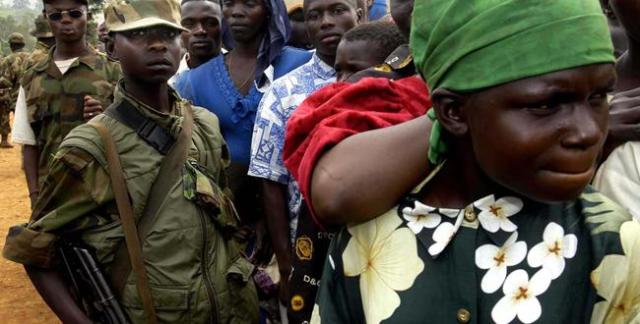
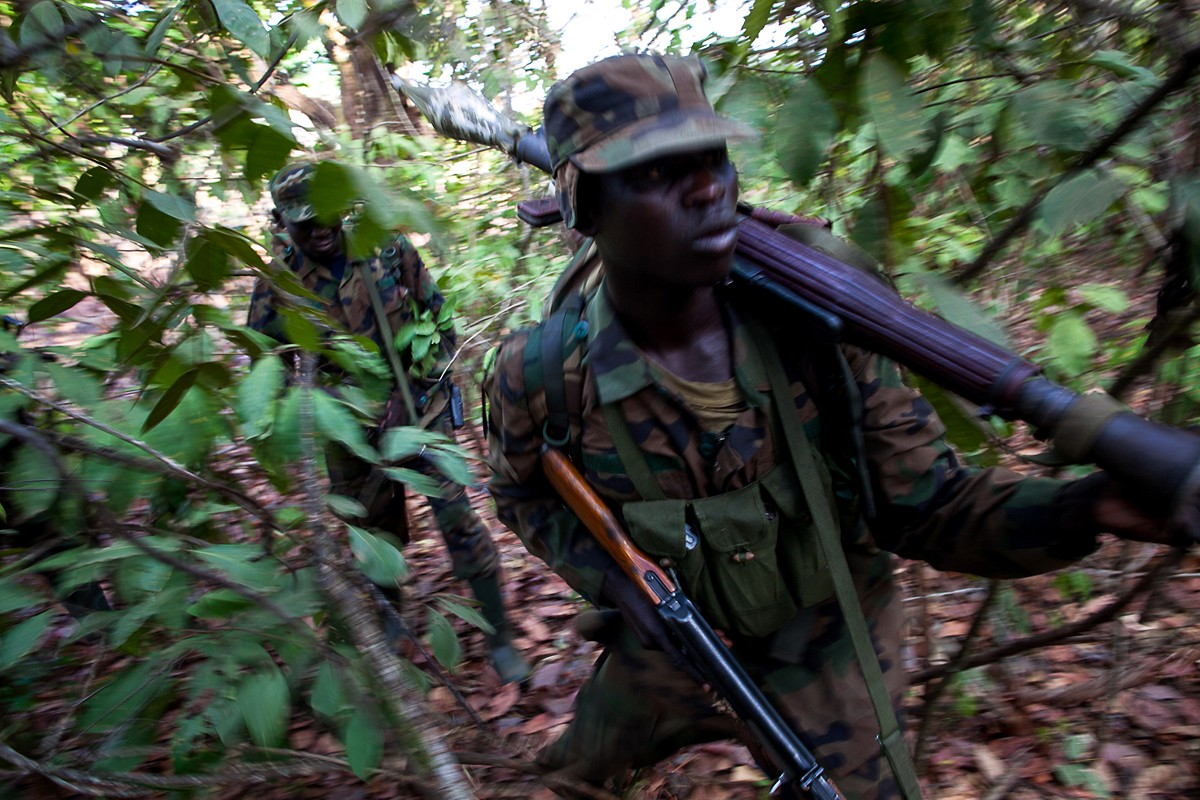
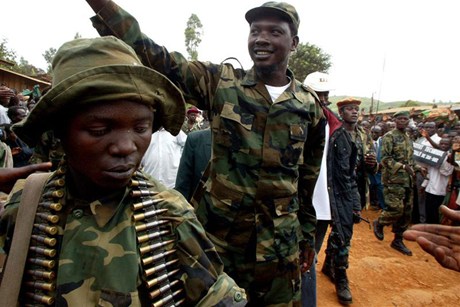
UPC child soldiers. Photo: AFP
Reconciliation and “Do No Harm”
Reparations have backward looking functions to address underlying causes and provide justice through restitution, and forward looking functions to affect reconciliation and prevent future crimes. The Trial Chamber’s decisions provide a striking statement of the high expectations of reparations in this regard:
“Reparations in the present case must – to the extent achievable – relieve the suffering caused by these offences; afford justice to the victims by alleviating the consequences of the wrongful acts; deter future violations; and contribute to the effective reintegration of former child soldiers. Reparations can assist in promoting reconciliation between the convicted person, the victims of the crimes and the affected communities.”
The judges also agree with the recommendations of the participating NGOs, victims’ representative, and Court organs that reparations should “do no harm” in their implementation. Individual reparations awards can further stigmatize victims in their communities, “replicate discriminatory practices,” exacerbate social tensions, and isolate them. Keeping in mind that child soldiers may also be viewed as perpetrators of crimes in their communities, reparations should also “secure reconciliation” between the convicted person and the victims and the affected communities.
Reparations a Measure of Success in International Justice
For victims and their communities, reparations will be the most tangible manifestation of justice from international courts. The International Criminal Court has the mandate to make remarkable progress in this regard. The TFV can only be effective, however, with financial and political support. Most international justice advocacy and diplomacy is geared towards cooperating with the ICC on arrest warrants and ascribing to a discourse that prioritizes trial and punishment of war criminals. Equally important is the international community’s support for restorative and redistribute forms of justice that reparations can affect. The Trust Fund for Victims’ implementation of reparations and impact on communities will be an important measure of the ICC’s success in the years to come.






 Justice in Conflict