

Graffiti depictions of Saif al-Islam Gaddafi (right) and his father, former Libyan leader Muammar Gaddafi (Photo: Reuters/Amr Abdallah Dalsh)
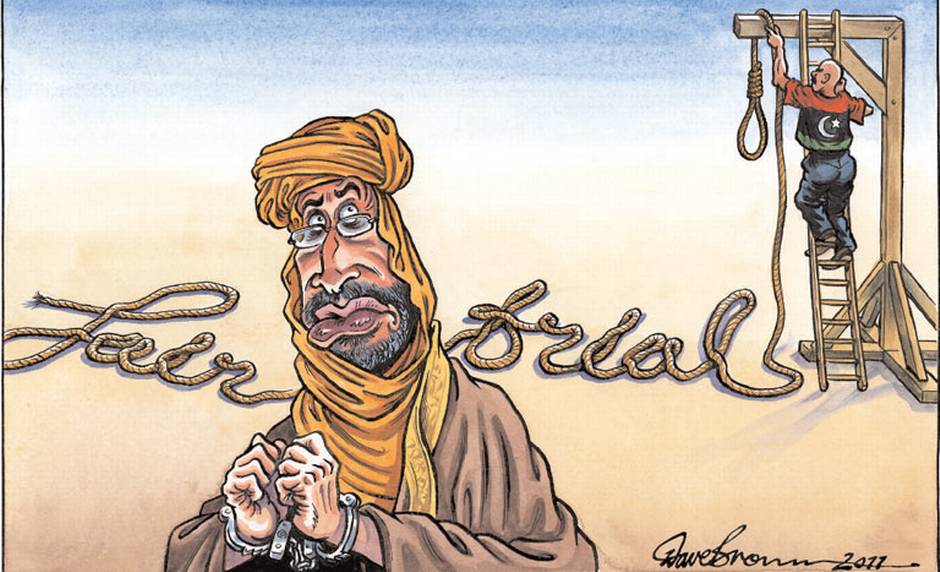
The debate on how and where Saif al-Islam Gaddafi, the son of former Libyan leader Muammar Gaddafi, is tried has taken a new and rather unexpected turn. The BBC has reported that a “Western official” told their correspondent that a deal between Libya and the International Criminal Court (ICC) is close to being completed. The agreement would see Saif tried in Libya, but “under ICC supervision”.
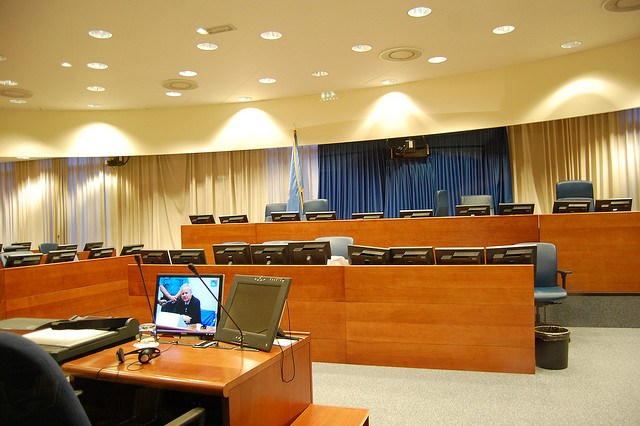
The reported deal, which would result in the ICC dropping its demands to try Saif in The Hague, comes just days after the ICC’s Pre-Trial Chamber ruled that Libya was obliged to surrender Saif to the Court immediately. The country’s National Transitional Council (NTC) subsequently decided it would appeal the ruling while simultaneously unveiling plans – and a refurbished courtroom – to begin Saif’s trial within the next few weeks.
The debate on who should try Saif and how, of course, is nothing new. Readers will recall that a number of commentators (including myself) have supported an ICC trial of both Saif and former Libyan intelligence chief, Abdullah al-Senussi, in Libya – a possibility the Rome Statute envisions. However, the BBC report leaves unclear how such an arrangement would work. Kevin Jon Heller raises a number of pressing questions on the subject:
What would the charges be? Would the ICC impose a de facto complementarity requirement on Libya, conditioning any deal on Libya’s willingness to prosecute Saif for the same crimes against humanity, murder and persecution, based on the same conduct for which the arrest warrant was issued? Or would the ICC be willing to allow Libya to prosecute Saif for “ordinary” crimes (i.e., not international) based on the same or different conduct as long as the charges were adequately serious? (An approach to complementarity that I have defended here.) How, exactly, would the ICC “supervise” the trial? Are we simply talking some sort of positive complementarity, whereby the Court would provide the Libyan court system with training and the like? Or would the ICC have the right to insist on specific rules of evidence, due-process guarantees, and so forth?
The answers to these key questions will determine whether any arrangement between the ICC and Libya is a bright idea – for the Court, for Libya, and for justice. Here are a few other questions and thoughts.
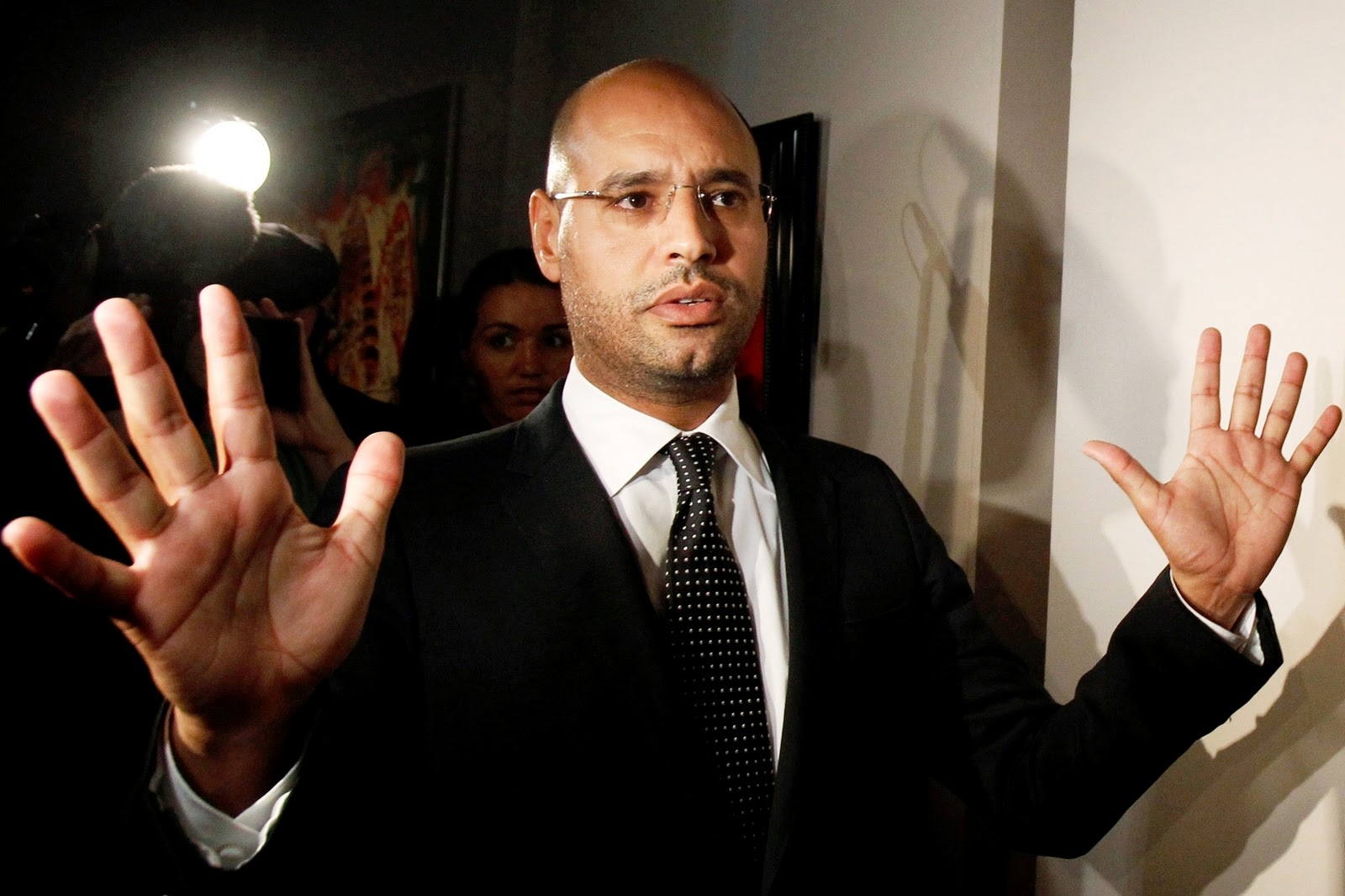
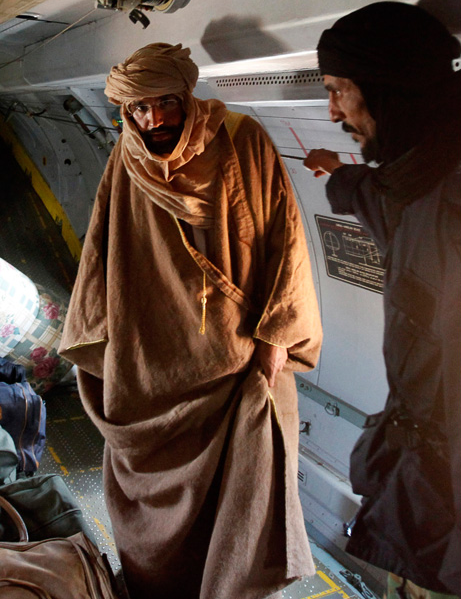
Saif al-Islam Gaddafi (Photo: Sergei Karpukhin/Reuters)
If the BBC’s report is accurate, it raises the question as to why the NTC has suddenly decided to cooperate with the ICC and given it a slice of the justice in Libya pie. While it was largely under-reported, an ‘in situ’ ICC trial in Libya was considered and proposed by the Court’s Office of the Prosecutor during negotiations with Libyan authorities. The idea was flatly rejected by the NTC which, while engaging with the Court in an effort to gain approval for a local trial, has been generally unconcerned with pressure exerted by the ICC. Continue reading






 Justice in Conflict