This week, Opinio Juris has organized a symposium on social media and international law in the wake of KONY2012. There are already a number of thought-provoking posts up, including this prescient piece by Charli Carpenter (see here too). The following is my contribution to the discussion. Enjoy!
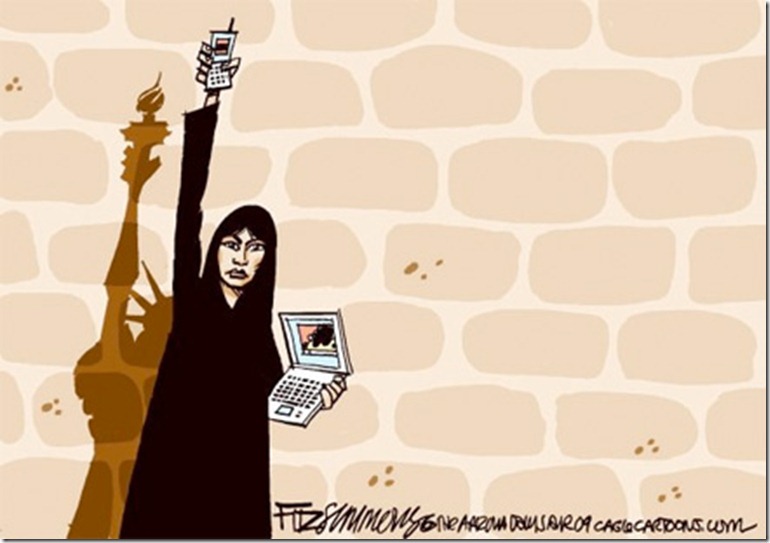
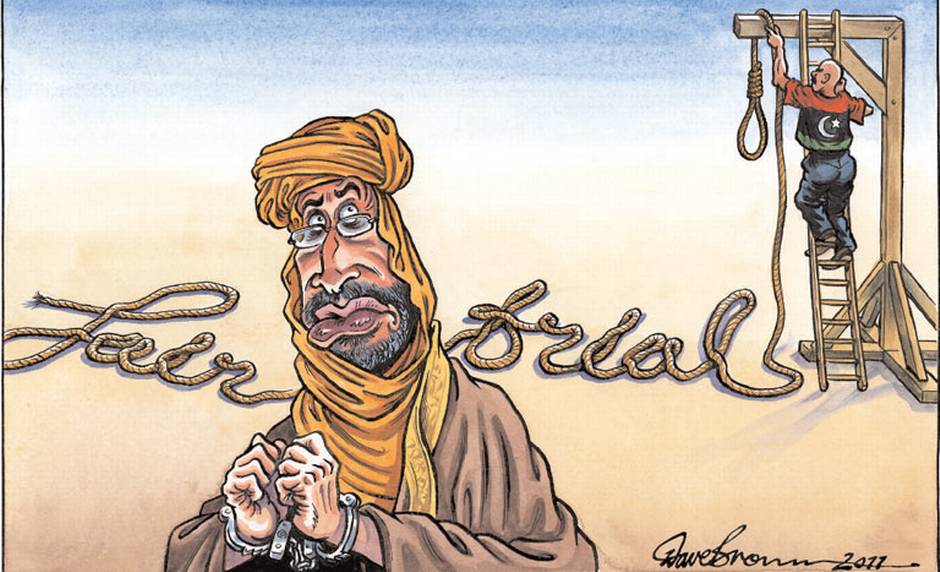
(Cartoon: Firas Al-Atraqchi)
It is widely accepted wisdom that social media is radically transforming how we understand the world and share information. In this context, the emergence of Twitter, Facebook, blogging, etc. challenge the very practice and scholarship of International Law (IL) and International Relations (IR). Yet, IL and IR appear to be moving on a fundamentally divergent trajectory from social media. By bridging these diverging trajectories, however, IR and IL can retain salience in an increasingly interconnected world.
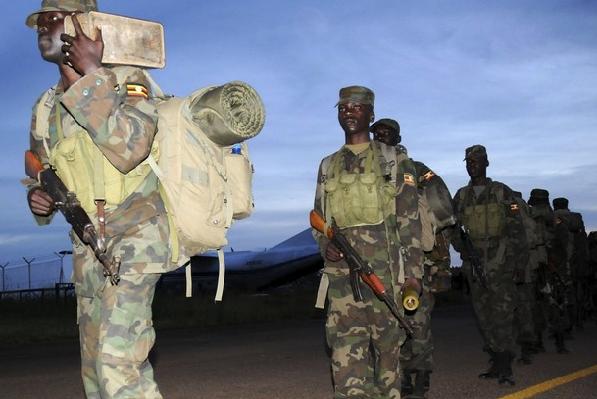
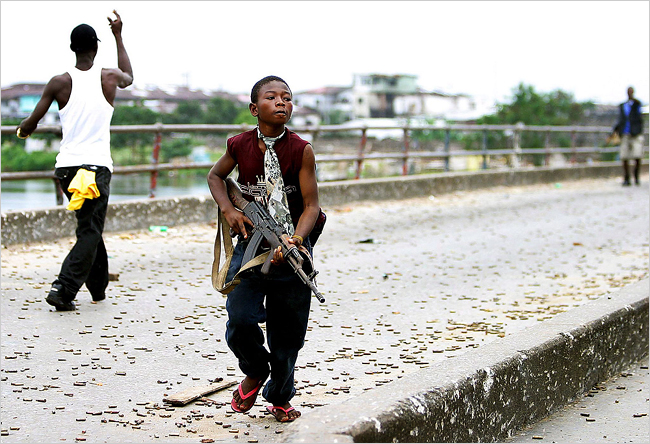
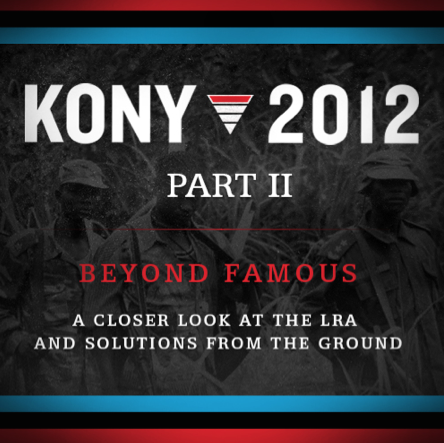
Reducing complexity is central to social media. The viral campaign by Invisible Children, KONY2012, serves as an obvious example. The campaign efficiently, if brutally, simplified the situation in northern Uganda and areas of Central and Eastern Africa afflicted by Joseph Kony and his Lord’s Resistance Army. While widely discredited after a spectacular series of blunders, Invisible Children’s message is simple, fitting within the 140 character limit of a Twitter post. Its Twitter ‘hashtags’ were short and effective, especially “#stopKony”. There wasn’t much more to the campaign – and surely that’s the way Invisible Children wanted it to be.
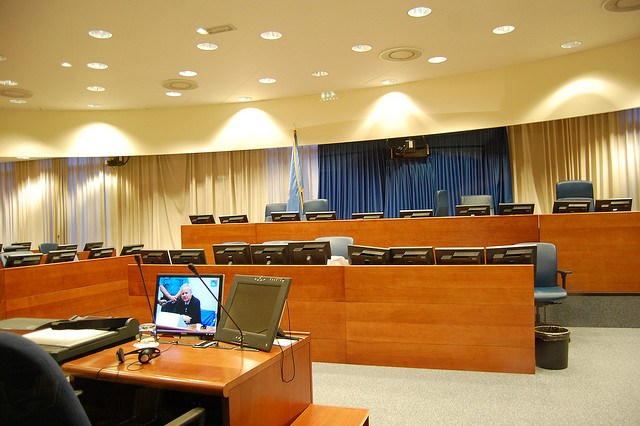
On the other hand, IL and IR scholarship and practice seek out complexity. More and more academic journals proliferate with increasingly specific subject-areas. The result is the creation of ‘knowledge ghettos’ where complexity is deified and often conflated with accuracy. Consider the recent verdict in the case of former Democratic Republic of Congo rebel, Thomas Lubanga Dyilo, the first-ever verdict by the International Criminal Court. Controversially, Lubanga was charged and convicted to what amounts to a single charge: the use of child soldiers in an armed conflict. Yet, the Lubanga judgement is 624 pages long! Of course, legal judgements have always tended to be lengthy, the ICC judges were tasked with adjudicating on a number of critical and difficult issues, and the verdict may signify more of an exception rather than a trend. But still, 624 pages? As Dov Jacobs pointedly wrote, “international judges have to stop acting as if they are giving a lecture.”
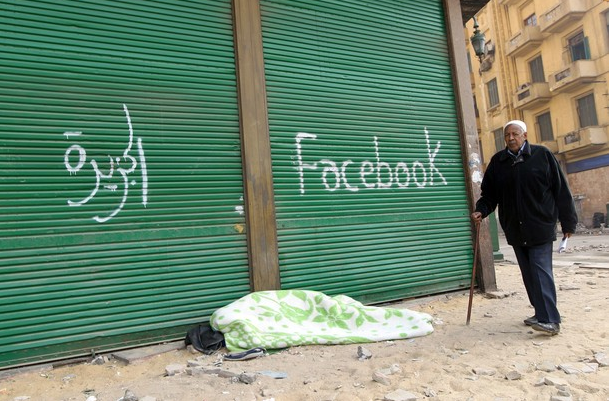
Social media played a key role in the 'Arab Spring'. The word on the left panel is "al Jazeera" (Photo: Andrew Couts)
Yet the primary effect of social media in the fields of IL and IR is not merely the simplification of complex legal and political issues. Social media is, at its core, about shifts in language, demanding that complexity be communicated in increasingly coherent and concise language while eschewing rigid jargon. Simplification is thus a by-product of social media rather than its purpose. Continue reading






 Justice in Conflict