Mariana Rodriguez Pareja and Salvador Herencia Carrasco join JiC again with this fascinating guest-post on Guatemala’s ratification of the Rome Statute and the country’s ongoing legal and political struggles to address the past and achieve justice.
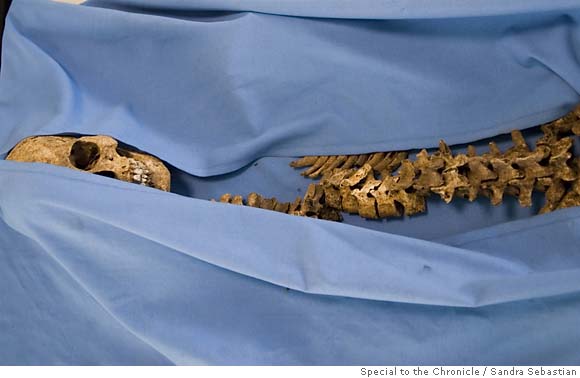
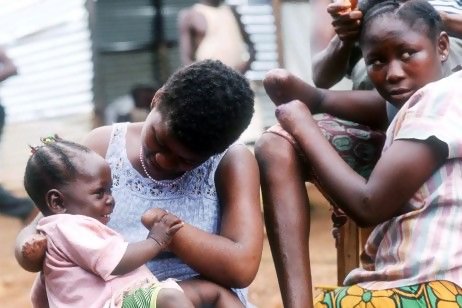
A victim of the Guatemalan Civil War. (Photo: Sandra Sebastian)
Ratification done, implementation next?
On April 2, 2012, the Guatemalan government filed the depository instrument of the Rome Statute before the United Nations, becoming the 121 State Party of the International Criminal Court (ICC). With this ratification, Cuba, El Salvador and Nicaragua are the only Latin American countries that are yet to be a part of the ICC. The good news is that El Salvador has publicly announced its intention to ratify the treaty by the end of the year.
In 2002, the Guatemalan Constitutional Court rendered an Advisory Opinion concluding that the Rome Statute was compatible with the Political Constitution. Since then, objections towards the treaty have been political, rather than legal. With the ratification of the Rome Statute, the long road towards implementation begins. Indeed, we it is important to bear in mind that countries like Bolivia, Ecuador, Mexico and Peru (to name a few) have ratified the treaty many years ago but have yet to fully implement the Rome Statute.
In the case of Guatemala, the importance of this ruling resides in the fact that the Constitutional Court determines that the Rome Statute is a human right treaty which, according to Article 46 of the Constitution, has the highest legal standing, forming part of the bloc de constitutionalité. This means that the Rome Statute and the principles it stands for have Constitutional standing in Guatemala. In a country that is dealing with the prosecution of international crimes perpetrated during its Civil War, principles such as non-statutory limitations, the non-applicability of amnesties or the validity of immunities might contribute in the local judicial proceedings.
Like many Latin American countries, the Guatemalan Criminal Code criminalizes torture and enforced disappearances. These crimes were adopted in 1995 and concern the fight against organized crime, rather than the fulfillment of International Human Rights Law or International Criminal Law. The Criminal Code also has a section on international crimes including genocide, where racial groups are excluded and a generic norm called ‘offenses against duties to humanity’ (deberes contra la humanidad), which seeks to regulate all violations of the Geneva Conventions and International Humanitarian Law.
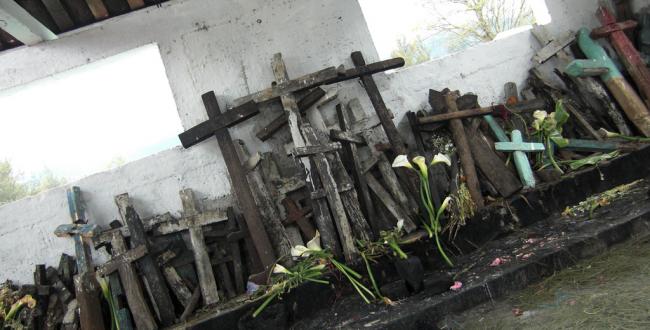
(Photo: RNW/Flickr)
National Prosecution of Dos Erres Massacre: slowly but surely
On 2 August 2011, a local tribunal in Guatemala City sentenced four former soldiers from an elite unit of the Armed Forces Kaibil to 6006 years each for the massacre of Las Dos Erres. This was welcomed by the victims, their families and the international community and it served to advance the country’s process of recovery and set an important precedent for justice in Guatemala. Continue reading