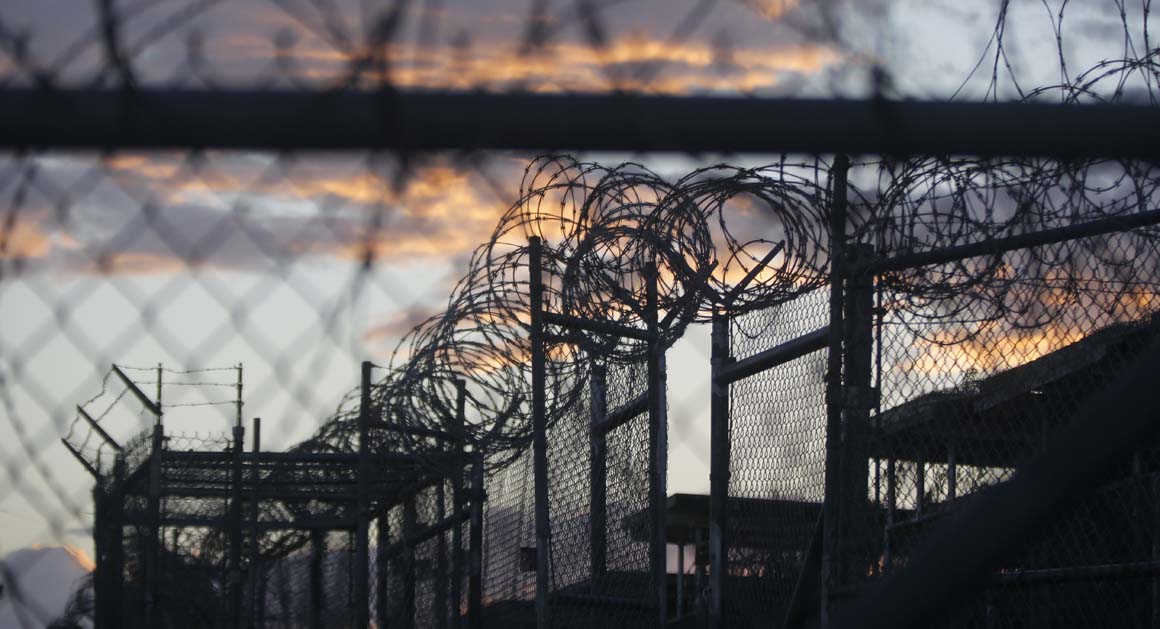
Camp X-Ray, Guantanamo Bay (Photo: AP)
Does the recent ‘torture report’ on CIA ‘enhanced interrogation methods’ leave US citizens vulnerable to prosecution by the International Criminal Court (ICC)? That was the question I was asked to answer in my latest article for the Washington Post’s Monkey Cage, originally posted here.
Dec. 9 saw the much anticipated release of the U.S. Senate’s “torture report,” outlining in harrowing and tragic detail the CIA’s program of “enhanced interrogation techniques” in its “global war on terror.” On Dec. 2, the Office of the Prosecutor at the International Criminal Court also released a report in which it made clear that it was inching closer to opening an official investigation into crimes in Afghanistan – including U.S. interrogation techniques. These developments could very well expose U.S. officials to formal investigation – and potentially prosecution – by the ICC. But is the court truly prepared to confront Washington head-on?
The international justice and human rights world is abuzz with the possibility that accountability for U.S.-sponsored and perpetrated torture and so-called “enhanced interrogation techniques” may finally be at hand. In the span of just a few days, the once naive aspiration that U.S. officials would come under the judicial microscope of the ICC has been resuscitated. However, any move to investigate and prosecute alleged crimes by U.S. citizens in Afghanistan needs to be set within the context of the ICC’s interest in maintaining positive relations with the United States while pushing for accountability for crimes committed by even the most powerful of states.
Despite the United States being a non-member state, no relationship has dominated the court’s first decade as much as that with Washington. The popular narrative, one that the court and its advocates regularly reiterate, is one of consistent struggle and resilient progress. The storyline goes something like this: Despite the United States voting against the creation of the ICC in 1998, in one of his last acts while in office, President Bill Clinton signed the Rome Statute. However, not long after the court became a functioning entity, then-U.S. Under Secretary of State for Arms Control and International Security John Bolton was dispatched to “unsign” the statute, an unprecedented political move. What followed was a series of hostile measures by the United States, including the passage of the American Service-Members Protection Act (or “The Hague Invasion Act”) which prohibited the United States from providing funds to the court and bestowed upon the president the right to use “all necessary measures” to repatriate any U.S. citizen detained by the court. At the same time, the administration successfully employed coercive diplomacy against over a hundred states to ensure that they signed “Bilateral Immunity Agreements,” guaranteeing that they would never surrender a U.S. official or soldier to the ICC.
During President George W. Bush’s second term, relations began to thaw. In 2005, the United States allowed the passage of a U.N. Security Council resolution referring Darfur to the ICC. When President Obama arrived on the scene, relations continued to warm. The United States began actively participating in ICC conferences, identified areas in which it could cooperate with the court and spoke of its “positive engagement”with the ICC. In addition, the State Department expanded its Rewards for Justice Program to include ICC indictees and played an important role in the surrender of Bosco Ntaganda, charged with committing war crimes in the Democratic Republic of Congo, to The Hague.
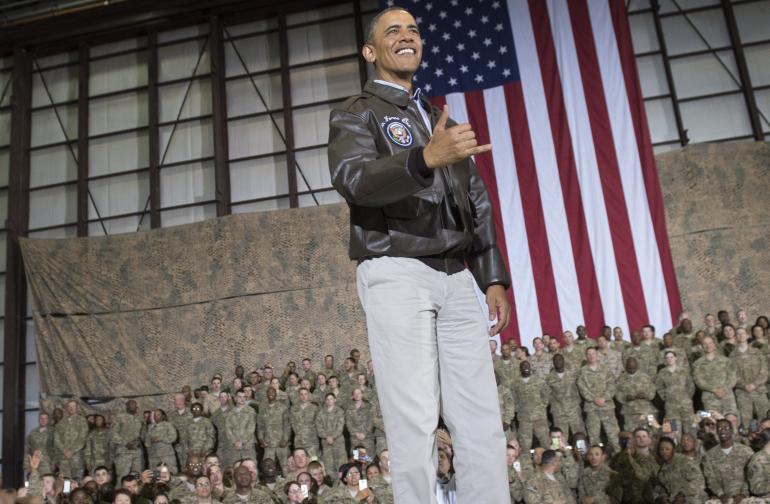
US President Barack Obama speaks to American troops at Bagram air base, Kabul (Photo: Saul Loeb / AFP / Getty Images)
As David Bosco cogently argues in his book, “Rough Justice,” the ICC has generally sought to accommodate U.S. interests. Seeking to improve its relationship with the world’s most powerful country – and the country with the best surveillance techniques and thus access to the kind of evidence the court needs – prosecutors avoided stepping on Washington’s toes, neither investigating alleged abuses by U.S. officials nor intervening in states where the United States had preexisting political interests. This avoidance of confrontation, however, may be about to change in dramatic fashion.
That allegations of torture by U.S. officials in Afghanistan were mentioned in the ICC prosecutor’s report may seem, at first glance, to be window dressing to assuage the concerns of many that the court is toothless when it comes to confronting powerful states. But behind this unprecedented and explicit mention of potential U.S. culpability is a court that appears more willing than ever to finally push the United States over accountability for international crimes in Afghanistan. However, in the wake of some serious setbacks including the collapse of the case against Kenyan President Uhuru Kenyatta, is the ICC in a position to do so? Continue reading