The following is a guest-post on the future of victims and victim participation at the International Criminal Court. It was written by Stephen Smith Cody (Director of the Atrocity Response Program at the University of California, Berkeley School of Law), Susana SáCouto (Director of the War Crimes Research Office (WCRO)) and Chris Tenove (a doctoral candidate at the University of British Columbia).

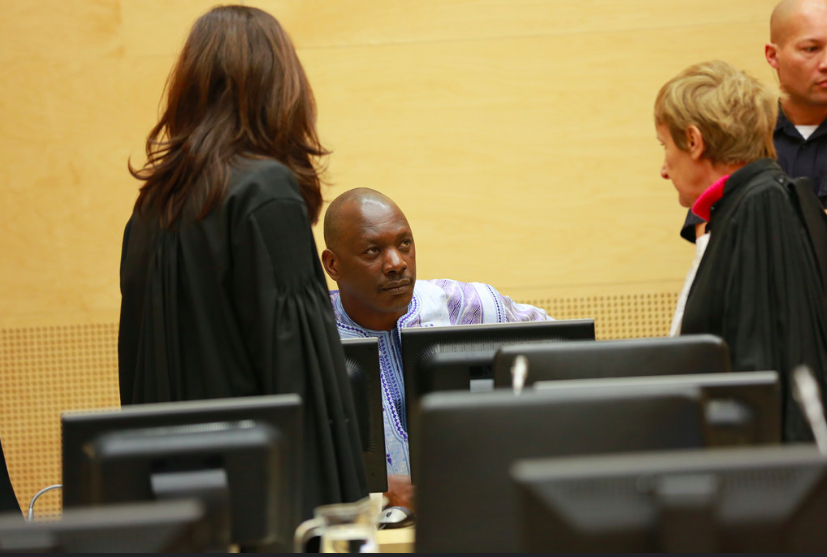
A witness testifying before the ICC. (Photo: Reporting Kenya)
When the Assembly of States Parties convenes this week, members will select judges, finalize a budget, and debate new rules and regulations. Another topic sure to arise is the major reform of the Registry of the International Criminal Court (ICC). Such actions don’t make headlines, but they have serious implications for how the ICC operates and how it relates to one of its key constituencies, victims of crimes. We have several concerns about how proposed reforms of the Registry might impact victims’ opportunities to engage with and be heard by the ICC.
The Rome Statute gives victims the right to participate in judicial proceedings that affect their personal interests, so long as this does not violate fair trial processes or the rights of the accused. Victim participation, along with victims’ right to reparations and opportunities to receive assistance and rehabilitation from the Trust Fund for Victims (TFV), can enable the ICC to engage victims and promote justice for them beyond the courtrooms of The Hague.
Victims’ opportunities to participate have of course been shaped by judicial decisions. (For several reports and comments on these developments, see the end of this post.) They are also affected by the Registry’s policies, and so the major institutional reform of the Registry – known as the “ReVision Project” – may have significant implications for victim participation. (Registrar Herman von Hebel has discussed this major restructuring, and FIDH has issued a thoughtful letter in response.) While we can find no public document outlining the ReVision proposals, Registry officials have provided an overview to some civil society actors. Among other proposed reforms, the overview suggests that victim participation will be streamlined by merging two current offices (the Victims Participation and Reparations Section, or VPRS, and the Office of Public Counsel for Victims, or OPCV) into a single Victims Office, and legal representation for victims would come entirely or partly from within this office.
We wholeheartedly support efforts to make victim participation more efficient and effective. However, we are concerned that this reform may not take sufficient account of victims’ actual engagement with their representatives and Court officials or their own views on legal participation. As researchers working on different projects related to victim participation, we have examined these issues from empirical as well as doctrinal perspectives. Drawing on in-depth interviews with Court staff, victims’ legal representatives, and hundreds of victims in four ICC situation countries, we have several observations that might inform debates around victim engagement in general, and legal participation in particular.
Victim participation requires ongoing dialogue between the Court and victims.
Recognition of victims’ experiences and suffering requires contact and conversations with victims. This dialogue should enable victims to learn about the ICC, their right to participate, and details of judicial processes that concern them. It should also enable victims, when appropriate, to put forward their opinions, concerns, and interests.
We agree with the ReVision proposal to improve the coherence of the Court’s communication with victims, but we would emphasize that this engagement must be ongoing. Judicial processes and victims’ situations evolve, and so must opportunities for victims to become informed and to express their views. Victim representatives must be able to provide victims with up-to-date information, solicit victims’ views, and advance them through appropriate judicial and non-judicial channels.

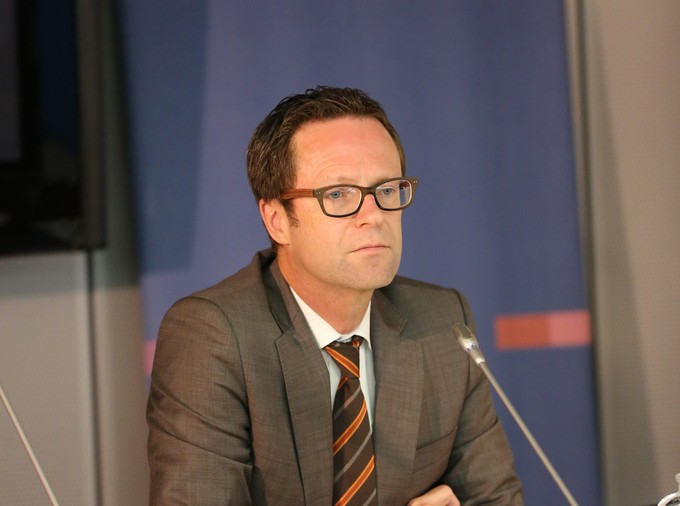
ICC Registrar Herman von Hebel
One common complaint that we have heard from victims is that they do not know what the Court is doing on matters that concern them, such as the status of their application to participate, the timing of trials, or the opportunity to receive reparations. “The most important thing is that we want somebody from the Court to come here so that we can interact with them,” said one Ugandan victim (interviewed by Cody as part of a multi-country study of victim interactions with the ICC).
It is important that ICC staff and representatives create systems to disseminate information on judicial proceedings and other court-related activities on a regular basis. Doing so may require the Court to provide communication devices, such as radios or mobile phones, to representatives in affected communities and develop protocols for responding to victims’ concerns in a timely manner.
Victims’ representatives should be aware of potential insecurities, including the possibility for retaliation against victim participants. Representatives should also be able to help victims get attention from the Victim Witness Unit (VWU) should they be facing serious security and health threats, particularly if these arise from being victim participants.
In addition, representatives should be aware of the material needs of victims, and should help victims understand what assistance the Court can and cannot provide. In most cases, ICC staff who interact with victims should have a high level of cultural knowledge, training in working with survivors of violence, and experience working with vulnerable populations in the region. They should be able to speak of the work and mandate of the TFV, as well as the Court’s reparations process, while being careful not to unduly inflate victims’ expectations about reparations and assistance.
Victim participation requires independent representation.
The ICC should establish processes to ensure the effective coordination of victim-related services across all sectors of the ICC, and, where appropriate, combine efforts to utilize common systems and mediate costs and any potential risks to victims. We support some of the ReVision Project’s recommendations to achieve these ends. Continue reading →

 Dear readers,